


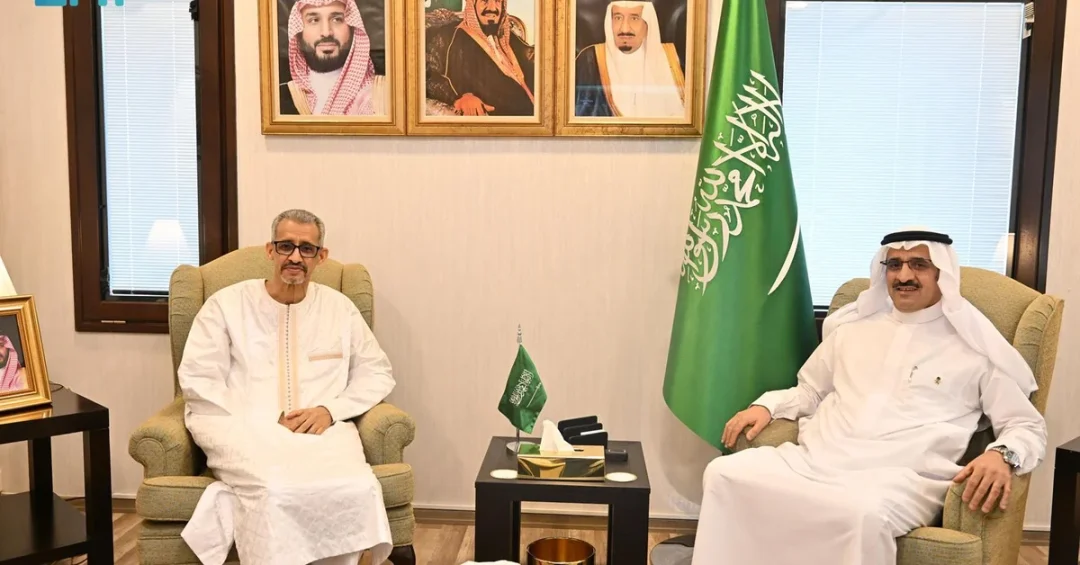
Saudi Ambassador to Tunisia Dr. Abdulaziz bin Ali Al-Saqr met with Director-General of the Arab League Educational, Cultural and Scientific Organization (ALECSO) Dr. Mohamed Ould Omar in Tunis on June 3, 2024, to discuss advancing joint Arab action in education and culture. The meeting underscored Saudi Arabia’s ongoing commitment to fostering regional cooperation and supporting organizations that drive educational and cultural development across the Arab world.
Context and Background
ALECSO, a specialized agency of the Arab League, plays a pivotal role in promoting educational, cultural, and scientific initiatives among member states. Based in Tunis, the organization works to enhance collaboration and coordinate efforts to improve the quality of education and preserve Arab cultural heritage. Saudi Arabia has long been a key supporter of ALECSO, reflecting its dedication to regional solidarity and sustainable development. The meeting between Ambassador Al-Saqr and Director-General Ould Omar is part of regular diplomatic engagements aimed at strengthening partnerships and aligning strategies to achieve common goals.
Key Details
During the meeting, Ambassador Al-Saqr and Director-General Ould Omar discussed the organization’s current projects and future plans, with a particular focus on education and culture. They explored ways to enhance joint Arab action, including potential collaborations on educational reforms, cultural exchanges, and scientific research. The Ambassador reaffirmed Saudi Arabia’s support for ALECSO’s mission and its efforts to empower youth and promote knowledge-based societies. The Director-General expressed appreciation for Saudi Arabia’s contributions, which have been instrumental in advancing ALECSO’s objectives. Both sides emphasized the importance of continued dialogue and coordination to address emerging challenges in the region.
Implications and Impact
This meeting carries significant implications for regional cooperation in education and culture. By reinforcing ties with ALECSO, Saudi Arabia demonstrates its leadership in promoting joint Arab initiatives that align with the Kingdom’s Vision 2030 goals of diversifying the economy and investing in human capital. Enhanced collaboration in education can lead to improved curricula, teacher training, and student exchange programs, benefiting millions across the Arab world. Culturally, such partnerships help preserve and promote Arab heritage, fostering a sense of shared identity and mutual understanding. The outcomes of this meeting are expected to contribute to the broader objectives of the Arab League and support sustainable development in member states.
Vision 2030 Alignment
Saudi Arabia’s engagement with ALECSO directly supports Vision 2030, which prioritizes education, cultural enrichment, and international cooperation. The Kingdom aims to build a vibrant society and a thriving economy by empowering its citizens through quality education and promoting cultural activities. By collaborating with regional organizations, Saudi Arabia enhances its role as a global leader in fostering peace, stability, and prosperity. This meeting exemplifies the Kingdom’s commitment to advancing joint Arab action and achieving the ambitious targets of Vision 2030, ultimately contributing to a brighter future for the Arab world.
20 Questions
Q1. Who is the Saudi Ambassador to Tunisia mentioned in the article?
A1. Dr. Abdulaziz bin Ali Al-Saqr is the Saudi Ambassador to Tunisia. He met with ALECSO’s Director-General to discuss educational and cultural cooperation, reflecting Saudi Arabia’s diplomatic engagement and commitment to regional development.
Q2. What does ALECSO stand for and what is its main purpose?
A2. ALECSO stands for Arab League Educational, Cultural and Scientific Organization. It is a specialized agency of the Arab League that promotes education, culture, and science across Arab member states to enhance joint action and sustainable development.
Q3. When and where did the meeting between Ambassador Al-Saqr and Dr. Ould Omar take place?
A3. The meeting took place in Tunis on June 3, 2024. Tunis is the headquarters of ALECSO, making it a central location for discussions on regional educational and cultural initiatives.
Q4. What were the main topics discussed during the meeting?
A4. They discussed ALECSO’s work in advancing joint Arab action, particularly in education and culture. The conversation focused on enhancing cooperation, supporting educational reforms, and promoting cultural exchanges among Arab countries.
Q5. How does Saudi Arabia support ALECSO’s mission?
A5. Saudi Arabia supports ALECSO through financial contributions, strategic partnerships, and active participation in its programs. The Kingdom’s backing helps ALECSO implement projects that improve education and preserve cultural heritage across the Arab world.
Q6. What is the significance of this meeting for Saudi Arabia’s foreign policy?
A6. The meeting reinforces Saudi Arabia’s foreign policy of fostering regional cooperation and strengthening ties with Arab organizations. It demonstrates the Kingdom’s leadership in promoting joint Arab action and its commitment to educational and cultural development.
Q7. How does this meeting align with Saudi Vision 2030?
A7. It aligns with Vision 2030 by supporting education and cultural initiatives, which are key pillars of the vision. The meeting underscores Saudi Arabia’s efforts to empower citizens through knowledge and promote international collaboration for sustainable development.
Q8. What role does education play in Saudi Arabia’s Vision 2030?
A8. Education is a cornerstone of Vision 2030, aiming to build a knowledge-based economy and empower youth. The Kingdom invests in quality education, teacher training, and digital learning to prepare future generations for global challenges.
Q9. How does ALECSO contribute to cultural preservation in the Arab world?
A9. ALECSO works to safeguard Arab cultural heritage through initiatives like digitizing manuscripts, promoting traditional arts, and supporting cultural festivals. These efforts help maintain cultural identity and foster mutual understanding among Arab nations.
Q10. What are the potential outcomes of enhanced Saudi-ALECSO cooperation?
A10. Enhanced cooperation can lead to improved educational curricula, increased student exchanges, and joint research projects. It also strengthens cultural ties and promotes sustainable development across the Arab region.
Q11. Who is Dr. Mohamed Ould Omar and what is his role?
A11. Dr. Mohamed Ould Omar is the Director-General of ALECSO. He leads the organization’s efforts to advance education, culture, and science in the Arab world, working closely with member states like Saudi Arabia.
Q12. How does this meeting reflect Saudi Arabia’s commitment to Arab solidarity?
A12. By engaging with ALECSO, Saudi Arabia demonstrates its dedication to Arab solidarity and collective progress. The meeting highlights the Kingdom’s active role in supporting regional organizations that drive development and unity.
Q13. What specific fields were highlighted in the discussion?
A13. The discussion focused on education and culture. These fields are essential for human development and cultural enrichment, and they are priorities for both Saudi Arabia and ALECSO in promoting joint Arab action.
Q14. How can other Arab countries benefit from this meeting?
A14. Other Arab countries can benefit from strengthened Saudi-ALECSO cooperation through shared educational resources, cultural programs, and best practices. This collaboration can lead to region-wide improvements in education and cultural preservation.
Q15. What is Saudi Arabia’s track record in supporting Arab organizations?
A15. Saudi Arabia has a strong history of supporting Arab organizations like ALECSO, the Arab League, and others. The Kingdom provides financial aid, hosts initiatives, and actively participates in programs that promote regional development and stability.
Q16. How does ALECSO’s work impact youth in the Arab world?
A16. ALECSO’s work impacts youth by improving access to quality education, promoting digital literacy, and fostering cultural awareness. These efforts empower young people to contribute to their societies and drive future progress.
Q17. What future collaborations might result from this meeting?
A17. Future collaborations may include joint educational projects, cultural exchanges, and research partnerships. These initiatives will aim to enhance the quality of education and promote cultural understanding across the Arab world.
Q18. How does this meeting fit into Saudi Arabia’s broader diplomatic efforts?
A18. This meeting is part of Saudi Arabia’s broader diplomatic efforts to strengthen ties with regional and international organizations. It reflects the Kingdom’s proactive approach to fostering cooperation and advancing shared goals.
Q19. What is the significance of Tunis as the meeting location?
A19. Tunis is significant as the headquarters of ALECSO. Holding the meeting there underscores the organization’s central role in Arab educational and cultural affairs and facilitates direct engagement with its leadership.
Q20. How will this meeting contribute to Saudi Arabia’s global standing?
A20. By actively supporting ALECSO, Saudi Arabia enhances its global standing as a leader in education and culture. This engagement showcases the Kingdom’s commitment to regional development and its role in fostering international cooperation.
Reader Feedback
We value your thoughts. Please share your feedback on this article.
Your feedback helps us improve our coverage.