


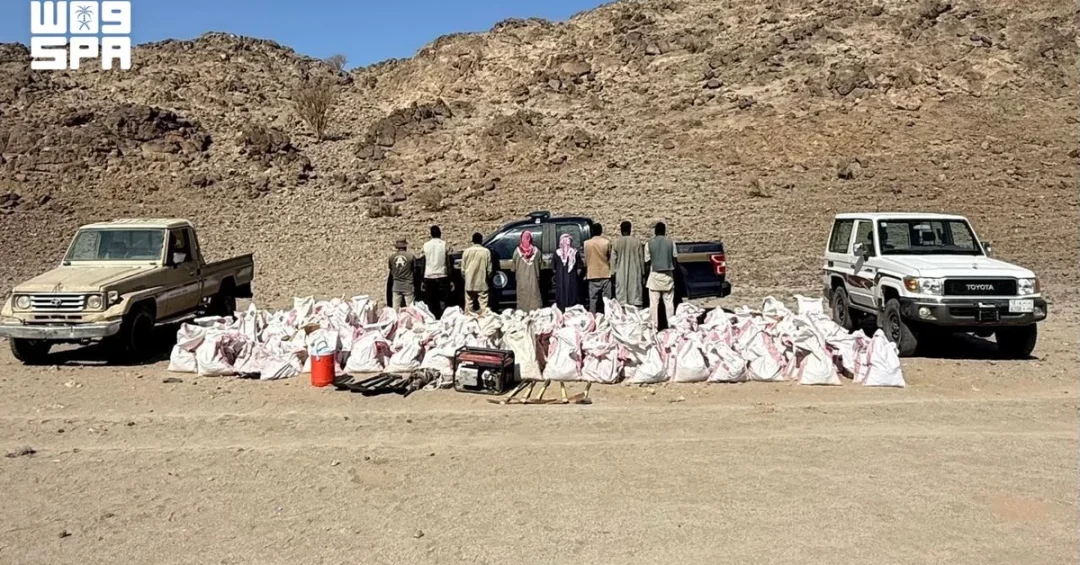
Saudi Arabia’s Special Forces for Environmental Security have arrested eight individuals, including two Saudi citizens and six foreign residents from Egyptian and Sudanese nationalities, for violating the Kingdom’s environmental regulations by illegally exploiting mineral deposits in the Tabuk region. The enforcement action, announced on August 18, 2026, underscores the Kingdom’s commitment to protecting its natural resources and wildlife under Vision 2030.
Context and Background
The arrests were carried out in the Tabuk region, a northwestern area of Saudi Arabia known for its unique desert landscapes, ancient sites, and mineral wealth. The violators were found to be extracting mineral deposits without proper authorization, an act that contravenes the Kingdom’s environmental system aimed at preserving natural habitats and ensuring sustainable development. This crackdown is part of a broader national initiative to enforce environmental laws across the Kingdom, with authorities ramping up monitoring and surveillance in ecologically sensitive areas.
Key Details
The Special Forces for Environmental Security, a unit dedicated to protecting the environment and wildlife, apprehended the suspects. The two Saudis and six foreign workers were referred for legal proceedings to face the consequences of their actions. The authorities are urging citizens and residents to report any environmental violations or encroachments on wildlife through dedicated hotlines: 911 in the regions of Mecca, Medina, Riyadh, and the Eastern Province, and 999 or 996 in other areas of the Kingdom.
Implications and Impact
This operation sends a clear message that Saudi Arabia is serious about enforcing environmental protection laws. It reflects the Kingdom’s broader strategy to combat illegal exploitation of natural resources, which can lead to habitat degradation, soil erosion, and loss of biodiversity. By encouraging public participation through reporting mechanisms, the authorities are fostering a culture of environmental stewardship. The move also aligns with international efforts to promote sustainable resource management and highlights Saudi Arabia’s commitment to preserving its natural heritage for future generations.
Vision 2030 Alignment
This enforcement action is directly aligned with Saudi Arabia’s Vision 2030, which prioritizes environmental sustainability and the protection of the Kingdom’s natural assets. The Vision aims to increase the share of protected areas to 30% of the Kingdom’s land and marine territories, enhance biodiversity, and ensure a high quality of life for residents and visitors alike. By upholding environmental regulations and supporting community engagement in conservation, Saudi Arabia is building a greener, more sustainable future, in line with the goals of the Vision 2030 and the Quality of Life Program.
20 Questions
Q1. Who were the individuals arrested for environmental violations?
A1. The arrested individuals included two Saudi citizens and six foreign residents from Egypt and Sudan, who were found exploiting mineral deposits illegally in the Tabuk region.
Q2. Which Saudi agency carried out the arrests?
A2. The Special Forces for Environmental Security, a unit under the Saudi government responsible for protecting the environment and wildlife, executed the operation.
Q3. What specific environmental regulation was violated?
A3. The violators breached the Saudi environmental system by engaging in illegal extraction of mineral deposits, which is prohibited without proper licenses and adheres to environmental standards.
Q4. Where did the violations occur?
A4. The violations took place in the Tabuk region, a northwestern province of Saudi Arabia, which is known for its mineral resources and unique ecosystems.
Q5. When did the arrests take place?
A5. The arrests were reported on August 18, 2026, according to the Saudi Press Agency (SPA).
Q6. What actions were taken against the violators?
A6. Legal procedures were applied against the eight individuals, meaning they will face prosecution and potential penalties under Saudi environmental law.
Q7. Why is protecting mineral deposits important in Saudi Arabia?
A7. Protecting mineral deposits is crucial to prevent environmental degradation, ensure sustainable resource management, and support the economic diversification goals of Vision 2030.
Q8. How does this crackdown support Vision 2030?
A8. This crackdown supports Vision 2030 by enforcing environmental regulations that preserve natural resources, promote sustainability, and contribute to the overall quality of life.
Q9. What hotlines are available for reporting environmental violations?
A9. Citizens and residents can report violations via 911 in the Mecca, Medina, Riyadh, and Eastern Province regions, and 999 or 996 in other parts of the Kingdom.
Q10. Can the public report environmental violations anonymously?
A10. Yes, authorities have assured that all reports will be handled with complete confidentiality, and reporters will not incur any legal responsibility.
Q11. What is the role of the Special Forces for Environmental Security?
A11. This unit is dedicated to protecting Saudi Arabia’s environment and wildlife by preventing illegal activities, such as unauthorized mining, and ensuring compliance with environmental laws.
Q12. What are the potential penalties for exploiting mineral deposits illegally?
A12. Penalties for such violations can include fines, imprisonment, and the rehabilitation of affected areas, as mandated by Saudi environmental law.
Q13. How does Saudi Arabia monitor environmental compliance?
A13. The Kingdom uses a combination of ground patrols, surveillance technology, and public reporting to monitor and ensure compliance with environmental regulations.
Q14. Are there other similar enforcement operations in Saudi Arabia?
A14. Yes, the Special Forces regularly conduct operations across the Kingdom, clamping down on illegal hunting, logging, and other activities harming the environment and wildlife.
Q15. What should tourists and residents know about environmental rules?
A15. They should respect designated protected areas, obtain necessary permits for activities like mining, and report any violations to help preserve the Kingdom’s natural beauty.
Q16. How does protecting the environment contribute to tourism?
A16. Protecting the environment enhances the appeal of Saudi Arabia’s natural landscapes and heritage sites, crucial for attracting tourists and diversifying the economy.
Q17. What is the role of the public in environmental protection?
A17. The public plays a vital role by reporting violations, practicing responsible behavior, and participating in conservation efforts, as encouraged by authorities.
Q18. What is the significance of the Tabuk region in Saudi Arabia?
A18. Tabuk is significant for its strategic location, historical sites, and rich mineral deposits, making it a focus for sustainable development projects under Vision 2030.
Q19. How does Saudi Arabia ensure the sustainability of mineral extraction?
A19. The Kingdom requires licenses, environmental impact assessments, and adherence to strict regulations to ensure mineral extraction does not harm ecosystems.
Q20. What is the future outlook for environmental enforcement in Saudi Arabia?
A20. The future looks forward to stronger enforcement, increased public participation, and the integration of advanced technologies to protect Saudi Arabia’s environment for generations to come.
Reader Feedback
We value your thoughts. Please share your feedback on this article.
Your feedback helps us improve our coverage.