


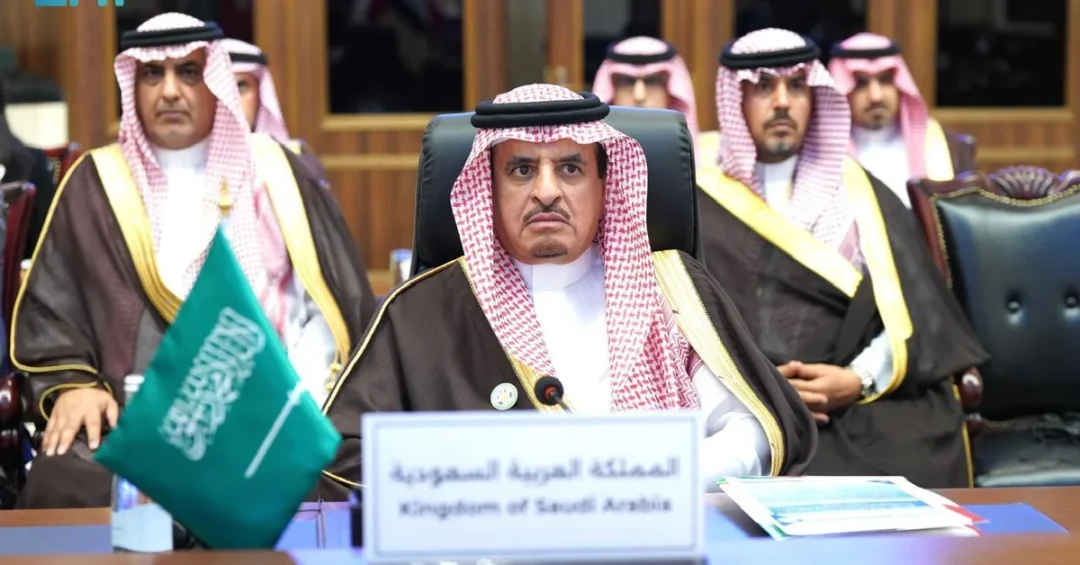
Saudi Arabia participated in the second Baghdad International Conference on Combating Drugs, held in Baghdad from July 22 to 23, 2024, with a delegation led by Vice Interior Minister Dr. Nasser bin Abdulaziz Al-Dawood. The conference aimed to enhance cooperation among participating countries to combat the spread of drugs and discuss mechanisms to prevent drug smuggling in the region. Dr. Al-Dawood emphasized that preventing drug smuggling and trafficking is a priority in the Kingdom’s Vision 2030 and highlighted Saudi Arabia’s commitment to addressing the dangers drugs pose to society.
Context and Background
The second Baghdad International Conference on Combating Drugs convened on July 22, 2024, in Baghdad, Iraq, bringing together representatives from various countries to address the growing threat of drug trafficking and abuse in the region. This follows the inaugural conference held in 2023, reflecting ongoing regional efforts to tackle a shared challenge. Saudi Arabia’s active participation underscores its proactive stance on security and public health issues.
Drug trafficking remains a significant concern in the Middle East, affecting social stability and economic development. The conference provided a platform for countries to share best practices, coordinate strategies, and strengthen cross-border collaboration. Saudi Arabia’s involvement is part of its broader national strategy to safeguard its society and support international efforts against organized crime.
Key Details
Deputizing for Minister of the Interior Prince Abdulaziz bin Saud bin Naif bin Abdulaziz, Vice Interior Minister Dr. Nasser bin Abdulaziz Al-Dawood led the Kingdom’s delegation to the conference. In his address, Dr. Al-Dawood stressed that preventing drug smuggling and trafficking is a priority in Saudi Arabia’s Vision 2030. He highlighted the Kingdom’s commitment to dealing with the dangers and threats posed by drugs to the security and stability of society by harnessing national capabilities to raise awareness of this threat.
Dr. Al-Dawood further stated that under the leadership’s directives, Saudi Arabia has implemented a comprehensive security campaign entailing coordinated security plans involving all concerned parties, and has successfully dealt with drug-related crimes. He also underscored the need for stronger local and international cooperation to combat organized crime.
The conference aimed to boost participating countries’ cooperation in the fight to curb the spread of drugs and to discuss mechanisms to prevent drug smuggling in the region. It gathered officials from various nations to deliberate on effective measures and share insights on combating this transnational issue.
Implications and Impact
Saudi Arabia’s participation in the Baghdad conference reinforces its role as a regional leader in security and counter-narcotics efforts. By sharing its experiences and strategies, the Kingdom contributes to a unified approach against drug trafficking, which threatens the stability of the entire region. This collaboration can lead to more effective border controls, intelligence sharing, and joint operations, ultimately reducing the flow of illicit drugs.
The conference outcomes may also enhance diplomatic ties among participating countries, fostering a cooperative environment for addressing other shared challenges. For Saudi Arabia, successful counter-narcotics efforts directly support its Vision 2030 goals by ensuring a safe and healthy society, which is essential for sustainable development and economic prosperity.
Vision 2030 Alignment
Saudi Arabia’s active engagement in international forums like the Baghdad conference exemplifies its commitment to Vision 2030, which seeks to build a vibrant society, a thriving economy, and an ambitious nation. Combating drug trafficking and abuse is integral to achieving these objectives, as it protects the youth, strengthens social fabric, and enhances national security. Through such initiatives, the Kingdom continues to demonstrate its leadership and dedication to a safer, more prosperous future for all.
20 Questions
Q1. What was the purpose of the second Baghdad International Conference on Combating Drugs?
A1. The conference aimed to enhance cooperation among participating countries to curb the spread of drugs and discuss mechanisms to prevent drug smuggling in the region. It served as a platform for sharing best practices and coordinating strategies.
Q2. Who led the Saudi delegation to the conference?
A2. Vice Interior Minister Dr. Nasser bin Abdulaziz Al-Dawood led the Kingdom’s delegation, deputizing for Minister of the Interior Prince Abdulaziz bin Saud bin Naif bin Abdulaziz. His leadership underscored Saudi Arabia’s commitment to combating drug trafficking.
Q3. When and where did the conference take place?
A3. The conference was held in Baghdad, Iraq, starting on Monday, July 22, 2024, and concluding on July 23, 2024. It brought together international delegates to address regional drug challenges.
Q4. What did Dr. Al-Dawood emphasize in his address?
A4. He stressed that preventing drug smuggling and trafficking is a priority in Saudi Arabia’s Vision 2030. He highlighted the Kingdom’s commitment to addressing the dangers drugs pose to society’s security and stability.
Q5. How does Saudi Arabia’s participation align with Vision 2030?
A5. Combating drug trafficking supports Vision 2030’s goals of building a vibrant society and a thriving economy. It protects youth, strengthens social fabric, and enhances national security, contributing to sustainable development.
Q6. What national efforts has Saudi Arabia implemented to combat drugs?
A6. Under the leadership’s directives, Saudi Arabia has implemented a comprehensive security campaign with coordinated plans involving all concerned parties. These efforts have successfully dealt with drug-related crimes and raised societal awareness.
Q7. What did Dr. Al-Dawood say about international cooperation?
A7. He underscored the need for stronger local and international cooperation to combat organized crime. Such collaboration is essential to effectively address the transnational nature of drug trafficking and its associated threats.
Q8. Which countries participated in the conference?
A8. The conference included representatives from various countries, though specific nations were not detailed in the source. It aimed to boost cooperation among all participants to curb the spread of drugs in the region.
Q9. What are the key mechanisms discussed to prevent drug smuggling?
A9. Mechanisms included enhanced border controls, intelligence sharing, and coordinated security operations. Participating countries deliberated on effective measures to disrupt smuggling routes and reduce the flow of illicit drugs.
Q10. How does drug trafficking affect regional stability?
A10. Drug trafficking undermines social stability, fuels organized crime, and hampers economic development. It poses a significant threat to the security and well-being of communities across the Middle East, necessitating unified action.
Q11. What role does Saudi Arabia play in regional counter-narcotics efforts?
A11. Saudi Arabia is a regional leader in security and counter-narcotics, actively sharing expertise and strategies. Its participation in international forums demonstrates its commitment to fostering a cooperative environment against shared challenges.
Q12. What is the significance of the conference being held in Baghdad?
A12. Baghdad’s hosting of the conference highlights Iraq’s role in regional security dialogues. It provides a central platform for Middle Eastern countries to collaborate on combating drug trafficking, a shared concern.
Q13. How can the outcomes of the conference impact Saudi Arabia’s domestic policies?
A13. The outcomes may inform Saudi Arabia’s domestic strategies, leading to more effective prevention and enforcement measures. This supports the Kingdom’s Vision 2030 objectives of ensuring a safe and healthy society.
Q14. What did Dr. Al-Dawood highlight about the dangers of drugs?
A14. He highlighted that drugs pose serious threats to the security and stability of society. Saudi Arabia is committed to harnessing national capabilities to raise awareness and combat these dangers effectively.
Q15. What is Saudi Arabia’s comprehensive security campaign?
A15. It is a coordinated effort involving all concerned parties to combat drug-related crimes. The campaign includes preventive measures, law enforcement actions, and public awareness initiatives to address the drug threat comprehensively.
Q16. How does the conference aim to curb the spread of drugs?
A16. By fostering international cooperation, the conference seeks to develop joint strategies, share intelligence, and implement best practices. These efforts aim to disrupt drug supply chains and reduce availability in the region.
Q17. What are the expected follow-up actions after the conference?
A17. Follow-up actions may include implementing agreed-upon strategies, enhancing cross-border collaboration, and regular progress reviews. Participating countries are expected to strengthen their national efforts in line with conference recommendations.
Q18. How does Saudi Arabia raise societal awareness about drug threats?
A18. Saudi Arabia conducts awareness campaigns through various channels, including educational programs and media. These initiatives aim to inform the public about the dangers of drugs and promote healthy, drug-free lifestyles.
Q19. What is the role of the Saudi Ministry of Interior in combating drugs?
A19. The Ministry of Interior leads Saudi Arabia’s counter-narcotics efforts, implementing security campaigns and coordinating with international partners. It plays a key role in enforcing laws and preventing drug trafficking.
Q20. How does this conference contribute to global efforts against drug trafficking?
A20. The conference strengthens global cooperation by uniting countries against a common threat. It facilitates the sharing of resources and expertise, contributing to more effective international counter-narcotics strategies and outcomes.
Reader Feedback
We value your thoughts. Please share your feedback on this article.
Your feedback helps us improve our coverage.