


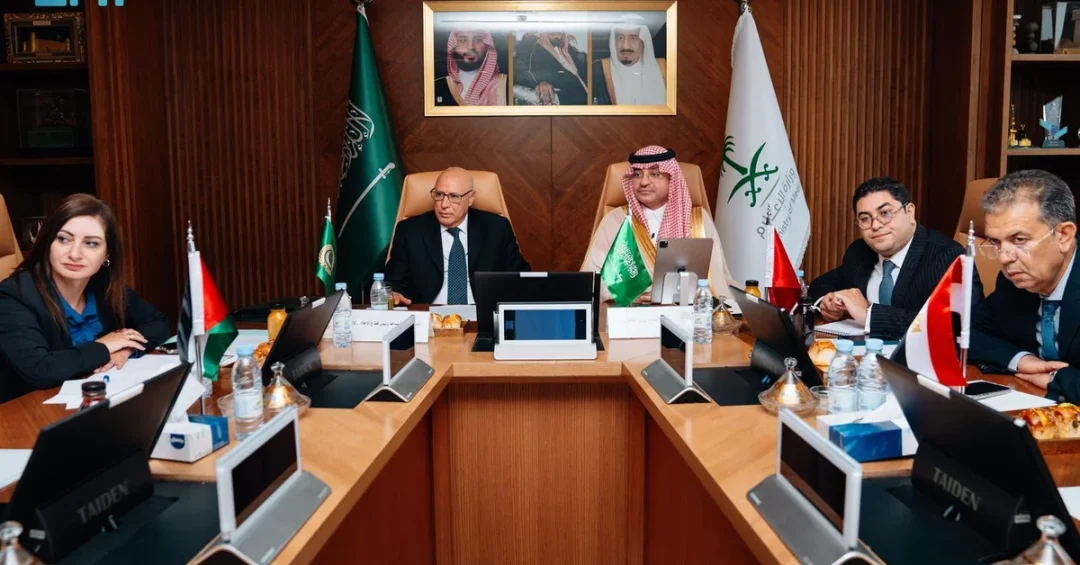
Saudi Arabia chaired the Second Meeting of the Arab Negotiating Team with International Media Companies in Riyadh on July 18, 2024, bringing together media experts from across the Arab world to advance a unified strategy for engaging global digital platforms. The meeting, reported by the Saudi Press Agency (SPA), focused on finalizing an executive plan for negotiations, setting a clear implementation timeline, and formulating a strategic direction with key global media players.
Context and Background
The formation of the Arab Negotiating Team was mandated by the 53rd session of the Council of Arab Information Ministers, held in Rabat, Morocco. This initiative underscores a collective Arab effort to address the challenges and opportunities presented by the rapidly evolving digital media landscape. The team comprises legal experts and digital communication specialists tasked with studying regulatory aspects of dealing with global media companies, all grounded in a cohesive Arab vision and the executive procedures of the unified Arab strategy.
The Riyadh meeting built on the outcomes of the first meeting, which laid the groundwork for a coordinated approach to negotiations. By uniting media experts from Jordan, the United Arab Emirates, Tunisia, Iraq, Egypt, Morocco, the technical secretariat of the Council of Arab Information Ministers, and the Arab States Broadcasting Union (ASBU), the team aims to present a unified front in discussions with international media giants.
Key Details
During the meeting, participants agreed on a mechanism to encourage international media companies to adopt age classification systems for digital content platforms, digital advertising, social media platforms, and search engines. This includes establishing a regulatory framework for media content to combat material that promotes discrimination and racism, violates individuals’ privacy, or insults the history or civilization of any Arab country.
The recommendations aim to enhance Arab content, defend Arab and Islamic causes against negative propaganda, protect children and youth from harmful content, and address hate speech, fake news, and privacy violations. Additionally, the team seeks to preserve media rights in the advertising market, ensuring fair competition and representation for Arab media outlets.
Ambassador Ahmed Rashid Khattabi, Assistant Secretary General and Supervisor of the Media and Communication Sector at the Arab League, emphasized that this strategic direction represents a clear collective will to confidently engage in the knowledge and communication society, protect Arab digital interests, and combat the discourse of terrorism, hatred, and discrimination to preserve shared values.
Implications and Impact
This initiative holds significant implications for the global media landscape. By negotiating collectively, Arab states aim to influence how international platforms moderate content, potentially setting precedents for other regions. The focus on age classification and content regulation aligns with global efforts to create safer digital environments, particularly for younger audiences.
For Saudi Arabia, chairing this meeting reinforces its leadership role in the Arab world and its commitment to fostering a balanced and responsible digital ecosystem. It also aligns with the Kingdom’s broader efforts to combat extremism and promote moderation, as outlined in Vision 2030. The outcomes could lead to more equitable treatment of Arab content and perspectives on global platforms, ensuring that Arab voices are heard and respected.
Moreover, the negotiations could impact how advertising revenues are distributed, potentially benefiting Arab media outlets that have struggled to compete with global tech giants. This economic dimension is crucial for sustaining independent Arab media and promoting cultural exchange.
Vision 2030 Alignment
Saudi Arabia’s leadership in this Arab collective effort mirrors the objectives of Vision 2030, which seeks to diversify the economy, empower youth, and enhance the Kingdom’s global engagement. By championing a unified Arab stance on digital media, Saudi Arabia demonstrates its commitment to fostering a knowledge-based society and protecting cultural heritage. This initiative not only strengthens regional cooperation but also positions the Arab world as a proactive participant in shaping the future of global media, in line with the Kingdom’s vision for a prosperous and secure future.
20 Questions
Q1. What was the purpose of the Second Meeting of the Arab Negotiating Team with International Media Companies?
A1. The meeting aimed to finalize an executive plan for negotiations with global media companies, set an implementation timeline, and formulate a strategic direction to address digital content regulation and protect Arab interests.
Q2. Which countries participated in the meeting held in Riyadh?
A2. Media experts from Jordan, the United Arab Emirates, Tunisia, Iraq, Egypt, Morocco, the technical secretariat of the Council of Arab Information Ministers, and the Arab States Broadcasting Union participated.
Q3. What is the role of the Arab Negotiating Team?
A3. The team is tasked with negotiating with international media companies to establish a regulatory framework for media content, combat harmful content, and preserve media rights in the advertising market, based on a unified Arab strategy.
Q4. What mechanism did the team agree on regarding digital content?
A4. They agreed on a mechanism to encourage companies to use age classification in digital content platforms, digital advertising, social media, and search engines, and to establish a regulatory framework to combat discrimination, racism, and privacy violations.
Q5. How does this initiative aim to protect children and youth?
A5. The initiative seeks to protect children and youth from harmful content by promoting age classification and regulating digital platforms to prevent exposure to hate speech, fake news, and content that violates privacy.
Q6. What did Ambassador Ahmed Rashid Khattabi say about the strategic direction?
A6. He stated that it represents a clear collective will to engage in the knowledge and communication society, protect Arab digital interests, and combat terrorism, hatred, and discrimination to preserve shared values.
Q7. What was the decision of the 53rd session of the Council of Arab Information Ministers?
A7. The 53rd session in Rabat decided to form a team to negotiate with international media companies, including experts with legal and digital specialization, to study regulatory aspects based on a cohesive Arab vision.
Q8. What are the key objectives of the recommendations?
A8. The recommendations aim to enhance Arab content, defend Arab and Islamic causes against negative propaganda, protect children and youth, address hate speech and fake news, and preserve media rights in the advertising market.
Q9. How does this meeting align with Saudi Arabia’s Vision 2030?
A9. It aligns with Vision 2030 by promoting global engagement, empowering youth, and fostering a knowledge-based society, while demonstrating Saudi leadership in regional cooperation and digital media regulation.
Q10. What is the significance of Saudi Arabia chairing this meeting?
A10. Saudi Arabia’s chairmanship reinforces its leadership role in the Arab world and its commitment to fostering a balanced digital ecosystem, in line with its efforts to combat extremism and promote moderation.
Q11. What are the implications for global media companies?
A11. Global media companies may need to adapt their content moderation policies and advertising practices to comply with Arab regulatory frameworks, potentially setting precedents for other regions.
Q12. How might this initiative affect advertising revenues for Arab media?
A12. It could lead to more equitable distribution of advertising revenues, benefiting Arab media outlets that have struggled to compete with global tech giants, thus sustaining independent Arab media.
Q13. What is the role of the Arab States Broadcasting Union in this effort?
A13. The Arab States Broadcasting Union participates as a key stakeholder, providing expertise and support to ensure the negotiations reflect the interests of Arab broadcasters and media organizations.
Q14. How does the team plan to address hate speech and fake news?
A14. The team plans to establish a regulatory framework that encourages platforms to combat hate speech and fake news through age classification, content moderation, and adherence to Arab values and privacy standards.
Q15. What is the timeframe for implementation of the executive plan?
A15. The meeting set a timeframe for implementation, though specific dates were not disclosed; the plan will be rolled out in phases to ensure effective negotiation and compliance from international media companies.
Q16. How does this initiative defend Arab and Islamic causes?
A16. By negotiating collectively, the team aims to counter negative propaganda and ensure that Arab and Islamic perspectives are accurately represented on global platforms, protecting cultural and religious heritage.
Q17. What regulatory aspects are being studied by the team?
A17. The team is studying legal and regulatory aspects related to dealing with global media companies, including content moderation, age classification, advertising rights, and privacy protections, based on a unified Arab strategy.
Q18. How does this meeting build on previous efforts?
A18. It builds on the first meeting and the 53rd session’s decision, advancing the executive plan and strategic direction to ensure a cohesive Arab approach in negotiations with international media companies.
Q19. What is the expected impact on Arab digital interests?
A19. The initiative aims to protect Arab digital interests by ensuring fair representation, combating discrimination, and preserving media rights, thereby enhancing the Arab world’s presence in the global digital landscape.
Q20. How does this initiative reflect Arab collective will?
A20. It reflects a unified determination to engage confidently in the global knowledge society, protect shared values, and combat terrorism and hatred, demonstrating Arab solidarity in addressing digital challenges.
Reader Feedback
We value your thoughts. Please share your feedback on this article.
Your feedback helps us improve our coverage.