


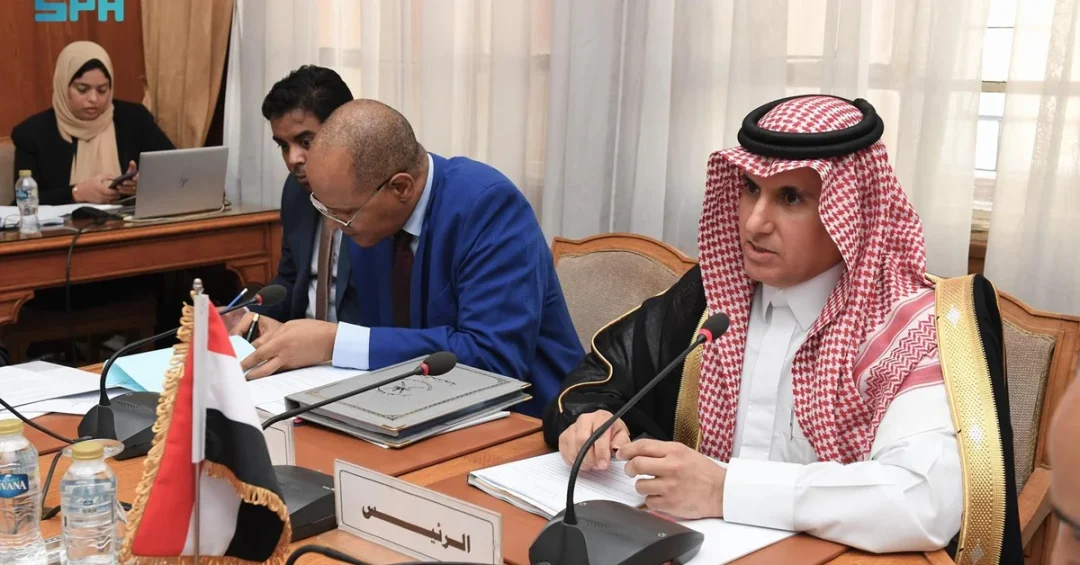
The Kingdom of Saudi Arabia, through its Permanent Representative to the Arab League, Ambassador Abdulaziz bin Abdullah Al-Matar, chaired a pivotal consultative meeting on August 6, 2024, in Cairo, focused on reviewing the Arab League Charter and strengthening the framework for collective Arab action. The meeting, held at the headquarters of the League of Arab States, was convened by the General Secretariat’s Department of Legal Affairs as part of a formal process to modernize the organization and enhance its effectiveness in addressing regional challenges.
Context and Background
The consultative meeting of the First Working Group, which included permanent delegates from member states, was organized to build upon the outcomes of the 16th group meeting held two months prior. That earlier session laid the groundwork for a broader initiative by the main committee responsible for updating the league’s foundational charter and revitalizing joint Arab efforts. Today’s discussions were a direct follow-up to a key decision made during the Arab Summit hosted by the Kingdom of Bahrain in May 2024, which called for finalizing a comprehensive study on modernizing the League of Arab States.
Key Details
Ambassador Abdulaziz bin Abdullah Al-Matar, the Permanent Representative of Saudi Arabia to the Arab League, led the meeting, which brought together permanent delegates to discuss each country’s perspective on the modernization process. The primary objective was to ensure that the summit’s directive to complete the study is being implemented effectively. The working group reviewed various proposals and viewpoints aimed at making the league more responsive to the needs of the Arab world, with Saudi Arabia playing a central coordinating role in facilitating consensus among member states.
International and Regional Implications
This initiative reflects a broader diplomatic push within the region to strengthen multilateral institutions. By chairing this consultative meeting, Saudi Arabia reaffirms its leadership role in fostering unity and cooperation among Arab nations. The move is seen as part of ongoing efforts to address shared challenges, including economic development, security, and political stability, through a collective and modernized framework. The outcome of this review process is expected to enhance the league’s capacity to engage effectively with international partners and address the aspirations of the Arab people.
Vision 2030 Alignment
The Kingdom’s active engagement in modernizing the Arab League aligns seamlessly with Saudi Vision 2030, which emphasizes effective regional and international partnerships, diplomatic leadership, and institutional development. By spearheading efforts to improve collective Arab action, Saudi Arabia is demonstrating its commitment to building a more stable, prosperous, and cooperative region. This forward-looking approach underscores the Kingdom’s dedication to achieving long-term strategic goals that benefit not only its own citizens but also the broader Arab and global community.
20 Questions
Q1. What was the purpose of the consultative meeting chaired by Saudi Arabia?
A1. The meeting aimed to review the Arab League Charter and create a framework for collective Arab action, focusing on implementing decisions from the May 2024 Arab Summit in Bahrain to modernize the organization.
Q2. Who chaired the consultative meeting in Cairo?
A2. The meeting was chaired by Ambassador Abdulaziz bin Abdullah Al-Matar, the Permanent Representative of the Kingdom of Saudi Arabia to the League of Arab States.
Q3. When was this meeting held?
A3. The consultative meeting took place on August 6, 2024, in Cairo, Egypt, at the headquarters of the Arab League’s General Secretariat.
Q4. Which department organized the meeting?
A4. The meeting was organized by the Department of Legal Affairs of the General Secretariat of the League of Arab States.
Q5. What was the focus of the First Working Group?
A5. The First Working Group focused on reviewing the league charter and establishing a framework for collective Arab action, building on earlier group discussions.
Q6. What was the outcome of the 16th group meeting held two months prior?
A6. The 16th group meeting prepared for a larger session of the main committee responsible for modernizing the Arab League and collective Arab action.
Q7. What decision from the Arab Summit in Bahrain was being implemented?
A7. The summit in May 2024 decided to finalize a study on modernizing the League of Arab States, which this meeting aimed to advance.
Q8. Who attended the consultative meeting?
A8. The meeting was attended by permanent delegates from member states of the League of Arab States.
Q9. What is the role of Saudi Arabia in this modernization process?
A9. Saudi Arabia, through its permanent representative, chaired the meeting and played a leading role in coordinating discussions and facilitating consensus among member states.
Q10. Why is modernizing the Arab League considered important?
A10. Modernizing the league is important to make the organization more responsive to regional challenges, enhance cooperation, and improve its effectiveness in promoting stability and development.
Q11. How does this meeting relate to collective Arab action?
A11. The meeting focused on creating a framework for collective Arab action, aiming to strengthen unity and joint efforts among Arab nations on shared priorities.
Q12. Where was the Arab Summit that initiated the modernization study held?
A12. The Arab Summit that reached the decision to finalize the modernization study was held in the Kingdom of Bahrain in May 2024.
Q13. What is the significance of Ambassador Al-Matar’s role?
A13. Ambassador Al-Matar’s role highlights Saudi Arabia’s diplomatic leadership and commitment to fostering cooperation and reform within the Arab League.
Q14. How does this initiative align with Saudi Vision 2030?
A14. The initiative aligns with Vision 2030 by emphasizing effective regional partnerships, diplomatic leadership, and institutional development, contributing to a stable and prosperous region.
Q15. What are the expected benefits of modernizing the league?
A15. Expected benefits include a more efficient organization capable of addressing economic, security, and political challenges collectively, and better representing the interests of Arab people.
Q16. Did the meeting involve discussions on each country’s perspective?
A16. Yes, the meeting included discussions on each member state’s perspective regarding the outcome of the 16th group meeting and the modernization process.
Q17. What was the role of the General Secretariat of the Arab League?
A17. The General Secretariat, through its Department of Legal Affairs, convened and organized the consultative meeting to support the implementation of summit decisions.
Q18. How does this meeting support regional stability?
A18. By strengthening the framework for collective action, the meeting helps promote dialogue and cooperation among Arab states, which is essential for regional stability and security.
Q19. What was the main objective of the main committee mentioned in the process?
A19. The main committee is responsible for modernizing the league and collective Arab action, with the working group meetings providing preparatory input for its decisions.
Q20. What does this meeting indicate about Saudi Arabia’s global engagement?
A20. It demonstrates Saudi Arabia’s proactive role in international diplomacy, showcasing its commitment to multilateral institutions and its leadership in shaping a more collaborative Arab future.
Reader Feedback
We value your thoughts. Please share your feedback on this article.
Your feedback helps us improve our coverage.