


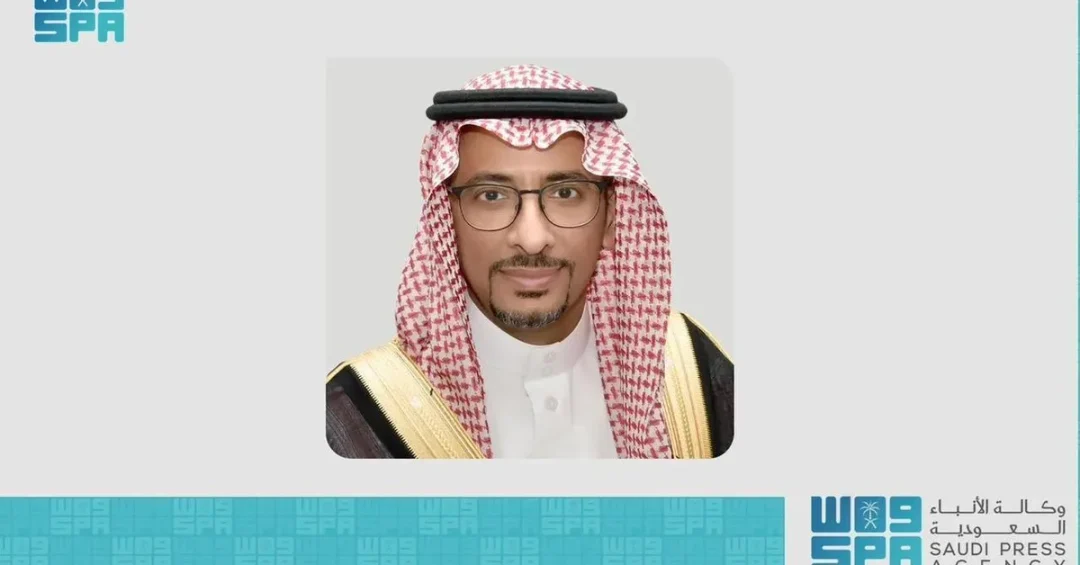
Riyadh, January 19, 2025 — Saudi Arabia’s participation in the 2025 annual meeting of the World Economic Forum (WEF) in Davos reflects the Kingdom’s leading position on the international stage and its pivotal role in driving global industrial and mining transformation towards a sustainable future, according to Minister of Industry and Mineral Resources Bandar Alkhorayef.
In a statement to the Saudi Press Agency (SPA), the minister framed the Kingdom’s presence at the high-profile gathering as a continuation of its expanding diplomatic and economic engagement, one that positions Saudi Arabia not merely as a participant in global discussions but as a shaper of their direction. The announcement, released through official Saudi channels, underscores a consistent theme of the Kingdom’s international outreach: that industrial development, mineral resource management, and environmental responsibility can advance together rather than in tension. For observers tracking the evolution of Saudi Arabia’s economic model, the minister’s remarks offer a concise window into how the Kingdom intends to translate its Vision 2030 ambitions into concrete outcomes on the world stage. What does it mean for a nation to move from managing resources to leading the transformation of how those resources are used globally?
Context and Background
The World Economic Forum’s annual meeting in Davos has long served as a platform where heads of state, ministers, corporate leaders, and civil society representatives converge to debate the most pressing issues of the day. Saudi Arabia’s participation in the 2025 edition, held under the theme of collaboration for the intelligent age, places the Kingdom at the center of conversations about industrial policy, energy transition, and the responsible stewardship of critical minerals. The minister’s statement to SPA emphasized that this engagement is not ceremonial but substantive, reflecting a deliberate strategy to build partnerships that support sustainable growth.
Saudi Arabia’s industrial and mining sectors have undergone significant restructuring in recent years, anchored in the National Industrial Development and Logistics Program and the comprehensive mining strategy launched under Vision 2030. These frameworks aim to diversify the economy beyond hydrocarbons, attract foreign direct investment, and create high-value jobs for a young and growing population. The Kingdom’s mineral wealth, estimated to be worth trillions of riyals, is increasingly viewed not simply as a revenue source but as a foundation for advanced manufacturing, technology transfer, and regional supply chain integration. Why has the global conversation shifted so decisively toward minerals as a strategic asset rather than a commodity?
Alkhorayef’s comments also situate Saudi Arabia within a broader geopolitical context in which nations are reassessing supply chains, energy security, and the environmental footprint of industrial activity. By presenting the Kingdom as a stable, investment-friendly hub for mining and industrial development, the minister is signaling that Saudi Arabia intends to be a reliable partner in an era of rapid technological and ecological change. This positioning aligns with the Kingdom’s broader foreign policy objectives of fostering multilateral cooperation and projecting influence through economic diplomacy rather than confrontation.
Key Details
According to the minister’s statement, sustainability constitutes one of the main pillars of Saudi Vision 2030, and the Kingdom is pursuing it through flagship initiatives such as Saudi Green and Middle East Green. These programs aim to address environmental challenges, reduce carbon emissions, and enhance afforestation across the region. Alkhorayef noted that they reflect Saudi Arabia’s commitment to achieving carbon neutrality and fostering comprehensive, sustainable development — a message he carried directly to Davos audiences.
The minister outlined that the Kingdom is building its industrial and mining transformation strategy on three main pillars. The first is enhancing strategic partnerships with the private sector and international institutions to develop innovative and sustainable solutions. The second is investing in digital transformation through Fourth Industrial Revolution technologies such as artificial intelligence, the Internet of Things, and 3D printing to improve production efficiency, reduce emissions, and create new economic opportunities. The third is developing human capital by qualifying national competencies to lead economic and social transformations and achieve sustainable development goals.
Alkhorayef also pointed out that the Kingdom is developing a regulatory and legislative environment that attracts local and foreign investments, especially in the mining sector, which he described as a key pillar for diversifying income sources and boosting economic growth. He highlighted the Kingdom’s focus on developing critical mineral industries used in future technologies, such as electric vehicle batteries and renewable energy, which enhances its position as a global hub for these strategic industries. What distinguishes a regulatory environment that genuinely attracts long-term investment from one that merely appears open on paper?
The minister further affirmed that the Kingdom aims to achieve a balance between economic growth and environmental protection, contributing to the stability of the global economy and laying the foundations for a more inclusive and sustainable future. He noted that Saudi Arabia’s participation in Davos 2025 represents an opportunity to strengthen international partnerships and exchange expertise with countries worldwide, supporting efforts to find innovative solutions to common challenges and solidifying the Kingdom’s role as a key player in shaping future transformations.
International and Regional Impact
Saudi Arabia’s message at Davos carries weight beyond the conference halls. As the world’s largest exporter of crude oil and a founding member of OPEC, the Kingdom’s stance on industrial transformation and critical minerals influences global market expectations and investment flows. By emphasizing sustainability and technological modernization, Saudi Arabia signals to international investors and governments that it is preparing for a post-oil economic order in which minerals, manufacturing, and digital innovation play central roles. This reassures partners who are themselves navigating energy transitions and seeking reliable sources of the materials needed for electric vehicles, renewable energy systems, and advanced electronics.
Regionally, the Kingdom’s leadership in mining and industrial development could catalyze cooperation across the Middle East and North Africa. Saudi Arabia has hosted major mining conferences and launched initiatives to harmonize standards and attract cross-border investment. The minister’s emphasis on partnerships with international institutions suggests that the Kingdom views regional integration as complementary to its global ambitions. For neighboring countries with untapped mineral resources, Saudi Arabia’s approach offers a model of how to convert geological wealth into sustainable development. Can a region historically defined by energy exports reinvent itself as a hub for the technologies that will define the next century?
Economic and Strategic Significance
The economic logic behind Saudi Arabia’s industrial and mining strategy is straightforward yet ambitious. Mining is positioned as the third pillar of the Saudi economy alongside oil and petrochemicals, with the government targeting significant contributions to gross domestic product and job creation. The focus on critical minerals — lithium, cobalt, nickel, rare earths, and others — aligns with global demand projections driven by the electrification of transport and the expansion of renewable power. By developing domestic processing and manufacturing capabilities, the Kingdom aims to capture more value from its resources rather than exporting raw materials.
Strategically, the emphasis on human capital development is equally important. The minister’s reference to qualifying national competencies reflects a recognition that technology transfer and industrial upgrading require a skilled workforce. Saudi universities and training programs are expanding curricula in mining engineering, materials science, and digital manufacturing, often in partnership with international institutions. This investment in people is intended to ensure that the benefits of industrial growth are broadly shared and that the Kingdom reduces its reliance on expatriate labor over time. What does it take to build an industrial ecosystem that endures beyond the tenure of any single leader or policy cycle?
The regulatory reforms mentioned by Alkhorayef are designed to reduce barriers to entry, improve transparency, and align Saudi standards with international best practices. These measures complement the Kingdom’s broader efforts to improve its business environment, as reflected in its rising rankings in global competitiveness indices. For international companies, the combination of geological potential, government support, and strategic location offers a compelling proposition. For Saudi Arabia, the influx of foreign expertise and capital accelerates the learning curve and enhances the competitiveness of domestic industries.
Vision 2030 Alignment
The minister’s statement to SPA is a clear articulation of how Saudi Vision 2030 is being operationalized on the global stage. Vision 2030, launched in 2016 under the leadership of Crown Prince Mohammed bin Salman, seeks to diversify the economy, empower citizens, and position the Kingdom as a leader in sustainability and innovation. The industrial and mining transformation described by Alkhorayef directly supports several Vision 2030 objectives, including economic diversification, private sector growth, and environmental stewardship. The Saudi Green and Middle East Green initiatives, meanwhile, demonstrate the Kingdom’s commitment to addressing climate change in a manner that supports rather than undermines development.
As Saudi Arabia continues to engage with international forums such as Davos, its ability to shape global agendas will depend on delivering tangible results at home. The coming years will see the maturation of mining projects, the expansion of industrial cities, and the rollout of digital technologies across supply chains. Each milestone will reinforce the credibility of the Kingdom’s message and attract further investment. In this sense, Davos 2025 is not an endpoint but a waypoint in a longer journey toward a diversified, sustainable, and globally connected economy. Will the world recognize Saudi Arabia not only as a custodian of energy resources but as an architect of the sustainable industrial future?
20 Questions
Q1. What did Minister Bandar Alkhorayef say about Saudi Arabia’s participation in Davos 2025?
A1. He stated that the Kingdom’s participation reflects its leading position on the international stage and its pivotal role in driving industrial and mining transformation towards a sustainable future, as reported by the Saudi Press Agency.
Q2. Which Saudi initiatives did the minister cite as key to achieving sustainability?
A2. He cited the Saudi Green and Middle East Green initiatives, which aim to address environmental challenges, reduce carbon emissions, and enhance afforestation, reflecting the Kingdom’s commitment to carbon neutrality and sustainable development.
Q3. What are the three main pillars of Saudi Arabia’s industrial and mining transformation strategy?
A3. The first is enhancing strategic partnerships with the private sector and international institutions; the second is investing in digital transformation through Fourth Industrial Revolution technologies; the third is developing human capital by qualifying national competencies.
Q4. How does digital transformation contribute to the Kingdom’s industrial goals?
A4. Technologies such as artificial intelligence, the Internet of Things, and 3D printing are used to improve production efficiency, reduce emissions, and create new economic opportunities, according to the minister’s statement.
Q5. Why is human capital development important for Saudi Arabia’s transformation?
A5. Qualifying national competencies ensures that Saudi citizens can lead economic and social transformations, achieve sustainable development goals, and reduce reliance on expatriate labor over time.
Q6. What is the significance of the mining sector in Saudi Arabia’s economic diversification?
A6. Mining is a key pillar for diversifying income sources and boosting economic growth, with the Kingdom developing a regulatory and legislative environment that attracts local and foreign investments.
Q7. Which critical minerals is Saudi Arabia focusing on, and why?
A7. The Kingdom is focusing on critical minerals used in future technologies, such as electric vehicle batteries and renewable energy, to enhance its position as a global hub for these strategic industries.
Q8. How does Saudi Arabia aim to balance economic growth and environmental protection?
A8. Through initiatives like Saudi Green and Middle East Green, and by integrating sustainability into industrial strategy, the Kingdom seeks to contribute to global economic stability while laying foundations for an inclusive and sustainable future.
Q9. What opportunity does Davos 2025 present for Saudi Arabia?
A9. It offers a platform to strengthen international partnerships, exchange expertise with countries worldwide, and support efforts to find innovative solutions to common challenges, solidifying the Kingdom’s role as a key player in shaping future transformations.
Q10. Who is Bandar Alkhorayef?
A10. Bandar Alkhorayef is the Saudi Minister of Industry and Mineral Resources, responsible for overseeing the Kingdom’s industrial development and mining strategies under Vision 2030.
Q11. What is the Saudi Press Agency’s role in this announcement?
A11. The Saudi Press Agency (SPA) is the official national news agency that published the minister’s statement, ensuring the information is disseminated through official Saudi channels.
Q12. How does Saudi Arabia’s strategy align with global demand for critical minerals?
A12. Global demand for critical minerals is rising due to the electrification of transport and renewable energy expansion. Saudi Arabia aims to capture more value by developing domestic processing and manufacturing capabilities.
Q13. What regulatory reforms is the Kingdom undertaking to attract investment?
A13. Saudi Arabia is developing a regulatory and legislative environment that reduces barriers to entry, improves transparency, and aligns standards with international best practices, particularly in the mining sector.
Q14. How does the Kingdom plan to create high-value jobs for its population?
A14. By expanding industrial and mining activities, investing in digital technologies, and training national competencies in fields like mining engineering and materials science, Saudi Arabia aims to create high-value jobs for its young population.
Q15. What is the estimated value of Saudi Arabia’s mineral wealth?
A15. Saudi Arabia’s mineral wealth is estimated to be worth trillions of riyals, though exact figures are updated as exploration and resource assessments continue under the Kingdom’s mining strategy.
Q16. How does Saudi Arabia’s participation in Davos reflect its foreign policy objectives?
A16. It reflects the Kingdom’s commitment to multilateral cooperation, economic diplomacy, and projecting influence through partnership-building rather than confrontation, in line with Vision 2030’s international engagement goals.
Q17. What are the Fourth Industrial Revolution technologies mentioned by the minister?
A17. They include artificial intelligence, the Internet of Things, and 3D printing, which are being deployed to improve production efficiency, reduce emissions, and create new economic opportunities in Saudi industry.
Q18. How might Saudi Arabia’s mining strategy affect regional cooperation?
A18. It could catalyze cooperation across the Middle East and North Africa by harmonizing standards, attracting cross-border investment, and offering a model for converting geological wealth into sustainable development.
Q19. What does the minister mean by ‘inclusive and sustainable future’?
A19. He refers to economic growth that benefits all segments of society while protecting the environment, ensuring that development meets present needs without compromising the ability of future generations to meet theirs.
Q20. What are the next steps for Saudi Arabia after Davos 2025?
A20. The Kingdom will continue implementing its industrial and mining strategies, expanding partnerships, and investing in technology and human capital to achieve Vision 2030 objectives and solidify its global leadership role.
Reader Feedback
We value your thoughts. Please share your feedback on this article.
Your feedback helps us improve our coverage.
Related articles
 Palestinian President Awards Saudi Ambassador Star of Jerusalem
 KSU, Colorado School of Mines Forge Mining Research Ties
 4.6-Magnitude Quake Hits East Timor, No Damage Reported
 KSrelief Distributes Winter Vouchers to 1,909 in Aleppo
 Hajj Ministry Sets Feb 14 Deadline for Hajj Contracts
 Saudi Arabia Weather Forecast for Monday: Cooler Temperatures and Light Rain