


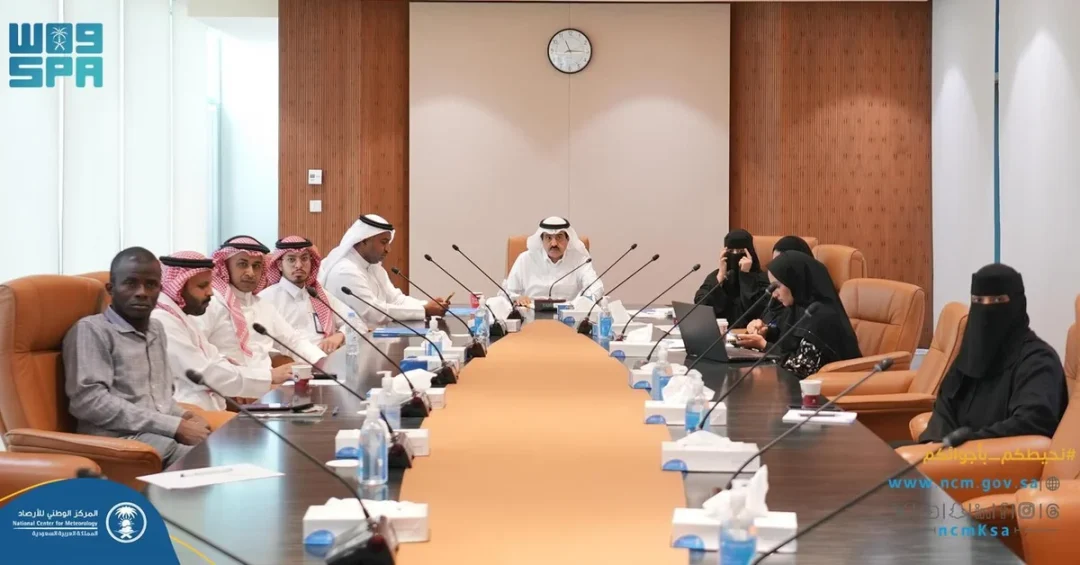
Saudi Arabia has recorded a gradual decrease in dust storms, according to Jamaan Saad Al-Qahtani, Executive Director of the Sand and Dust Storm Warning Regional Center. The decline reflects the Kingdom’s sustained environmental efforts under Vision 2030, including the Saudi Green Initiative and the Middle East Green Initiative, which aim to reduce dust and sand storms and mitigate their impacts for a sustainable future. The center is also working with regional countries to combat the transboundary effects of these storms.
Context and Background
Dust and sand storms pose significant challenges to the Gulf region and beyond, affecting public health, agriculture, transportation, and energy. In response, Saudi Arabia has established specialized regional centers focused on early warning, climate change, and cloud seeding as part of the Middle East Green Initiative. These efforts are aligned with the Kingdom’s broader environmental strategy under Vision 2030, which seeks to enhance quality of life and promote sustainable development. The Sand and Dust Storm Warning Regional Center, based in Riyadh, plays a pivotal role in monitoring and forecasting these events, while fostering collaboration among regional and international partners.
Key Details
During a virtual seminar held on the International Day of Combating Sand and Dust Storms, Al-Qahtani highlighted that Saudi Arabia has made significant strides in addressing dust storms. The Kingdom launched the Middle East Green Initiative, which supports the Saudi Green Initiative’s goal of planting 50 billion trees across the region, with 10 billion trees within Saudi Arabia. Additionally, natural reserves have helped prevent overgrazing and deforestation, while successive rainy seasons have supported vegetation growth. The seminar brought together scientists from Saudi Arabia, Qatar, Kuwait, Jordan, Türkiye, and Iran, as well as officials from the World Meteorological Organization (WMO) and the Food and Agriculture Organization (FAO). Participants discussed regional efforts, programs, and public awareness initiatives aimed at combating these storms.
Implications and Impact
The decrease in dust storms is a positive indicator of the effectiveness of Saudi Arabia’s environmental policies and regional cooperation. Reduced dust storms can lead to improved air quality, better public health outcomes, and enhanced agricultural productivity. For the broader region, these efforts contribute to stability and sustainable development. Saudi Arabia’s investment in research and technology to understand and mitigate sand storms further demonstrates its commitment to addressing environmental challenges. The Kingdom continues to cooperate with international partners to combat sand and dust storms, sharing knowledge and best practices.
Vision 2030 Alignment
This development aligns with Vision 2030’s goals of environmental sustainability and improved quality of life. The Saudi Green Initiative and Middle East Green Initiative are key components of the Kingdom’s efforts to combat climate change and desertification. By reducing dust storms, Saudi Arabia is not only protecting its own environment but also contributing to regional and global environmental security. As the Kingdom continues to invest in green initiatives and research, it reinforces its role as a leader in environmental stewardship and sustainable development.
20 Questions
Q1. What is the Sand and Dust Storm Warning Regional Center?
A1. The Sand and Dust Storm Warning Regional Center is a Saudi-based institution that monitors and forecasts dust and sand storms, and collaborates with regional countries to mitigate their impacts. It operates under the Middle East Green Initiative and supports Vision 2030 environmental goals.
Q2. Who is Jamaan Saad Al-Qahtani?
A2. Jamaan Saad Al-Qahtani is the Executive Director of the Sand and Dust Storm Warning Regional Center. He announced the decrease in dust storms and highlighted Saudi Arabia’s efforts during a virtual seminar on the International Day of Combating Sand and Dust Storms.
Q3. What evidence shows a decrease in dust storms in Saudi Arabia?
A3. Al-Qahtani stated that Saudi Arabia has recently experienced a noticeable decrease in dust storms. This decline is attributed to the Kingdom’s environmental efforts under Vision 2030, including the Saudi Green Initiative and the Middle East Green Initiative.
Q4. How does the Saudi Green Initiative contribute to reducing dust storms?
A4. The Saudi Green Initiative aims to plant 10 billion trees across the Kingdom, which helps stabilize soil, reduce desertification, and prevent dust storms. It also supports natural reserves that prevent overgrazing and deforestation.
Q5. What is the Middle East Green Initiative?
A5. The Middle East Green Initiative is a regional effort led by Saudi Arabia to combat climate change and environmental degradation. It supports the planting of 50 billion trees across the Middle East and establishes regional centers for warning against dust storms, climate change, and cloud seeding.
Q6. How many trees are targeted for planting in Saudi Arabia?
A6. Under the Saudi Green Initiative, Saudi Arabia aims to plant 10 billion trees. The broader Middle East Green Initiative targets 50 billion trees across the region to combat desertification and reduce dust storms.
Q7. What role do natural reserves play in combating dust storms?
A7. Natural reserves prevent overgrazing and deforestation, allowing vegetation to thrive. This vegetation stabilizes the soil and reduces the likelihood of dust storms. Successive rainy seasons have further supported the spread of vegetation in the Kingdom.
Q8. Which countries participated in the virtual seminar?
A8. Scientists from Saudi Arabia, Qatar, Kuwait, Jordan, Türkiye, and Iran participated, along with officials and experts from the World Meteorological Organization (WMO) and the Food and Agriculture Organization (FAO).
Q9. What international organizations were represented at the seminar?
A9. The World Meteorological Organization (WMO) and the Food and Agriculture Organization (FAO) were represented. These organizations contribute expertise and support global efforts to combat sand and dust storms.
Q10. Why are dust storms a significant challenge for the Gulf region?
A10. Dust storms impact public health, agriculture, transportation, and energy. They can cause respiratory issues, reduce crop yields, disrupt travel, and damage infrastructure. The Gulf region is particularly vulnerable due to its arid climate and frequent dust events.
Q11. What are the health impacts of dust storms?
A11. Dust storms can cause respiratory problems, exacerbate asthma and allergies, and lead to cardiovascular issues. They also reduce air quality, affecting overall public health, especially for vulnerable groups such as children and the elderly.
Q12. How do dust storms affect agriculture?
A12. Dust storms can damage crops, reduce soil fertility, and disrupt pollination. They also contribute to soil erosion, which harms agricultural productivity. Saudi Arabia’s tree-planting initiatives aim to mitigate these effects.
Q13. What is cloud seeding and how does it relate to combating dust storms?
A13. Cloud seeding is a weather modification technique that enhances precipitation by dispersing substances into clouds. It is part of Saudi Arabia’s efforts under the Middle East Green Initiative to increase rainfall, which supports vegetation growth and reduces dust storms.
Q14. What investments has Saudi Arabia made in research and technology for dust storm mitigation?
A14. Saudi Arabia continues to invest in research and technology to better understand sand storms and develop solutions to mitigate their impact. This includes advanced monitoring systems, forecasting models, and collaboration with international partners.
Q15. How does the Sand and Dust Storm Warning Regional Center collaborate with other countries?
A15. The center works with regional countries to share data, early warnings, and best practices for mitigating dust storms. It also engages in joint research and capacity-building initiatives to enhance regional resilience.
Q16. What was the purpose of the virtual seminar?
A16. The seminar aimed to discuss the latest scientific research and proposed solutions to combat dust storms and mitigate their impacts. It also raised public awareness about the negative effects of dust storms on health and economic sectors.
Q17. How does the decrease in dust storms reflect on Saudi Arabia’s Vision 2030?
A17. The decrease aligns with Vision 2030’s environmental sustainability goals. It demonstrates the effectiveness of Saudi Arabia’s green initiatives and its commitment to improving quality of life and protecting the environment for future generations.
Q18. What are the economic benefits of reducing dust storms?
A18. Reducing dust storms can lead to lower healthcare costs, increased agricultural productivity, less disruption to transportation and energy sectors, and improved overall economic stability. It also enhances the Kingdom’s attractiveness for investment and tourism.
Q19. What is the International Day of Combating Sand and Dust Storms?
A19. The International Day of Combating Sand and Dust Storms is observed to raise awareness about the dangers of dust storms and promote global efforts to combat them. It highlights the importance of regional and international cooperation in addressing this environmental challenge.
Q20. How can the public contribute to reducing dust storms?
A20. The public can support efforts by participating in tree-planting initiatives, conserving water, and raising awareness about environmental protection. Governments and communities working together are essential to mitigate the impacts of dust storms and promote sustainability.
Reader Feedback
We value your thoughts. Please share your feedback on this article.
Your feedback helps us improve our coverage.