


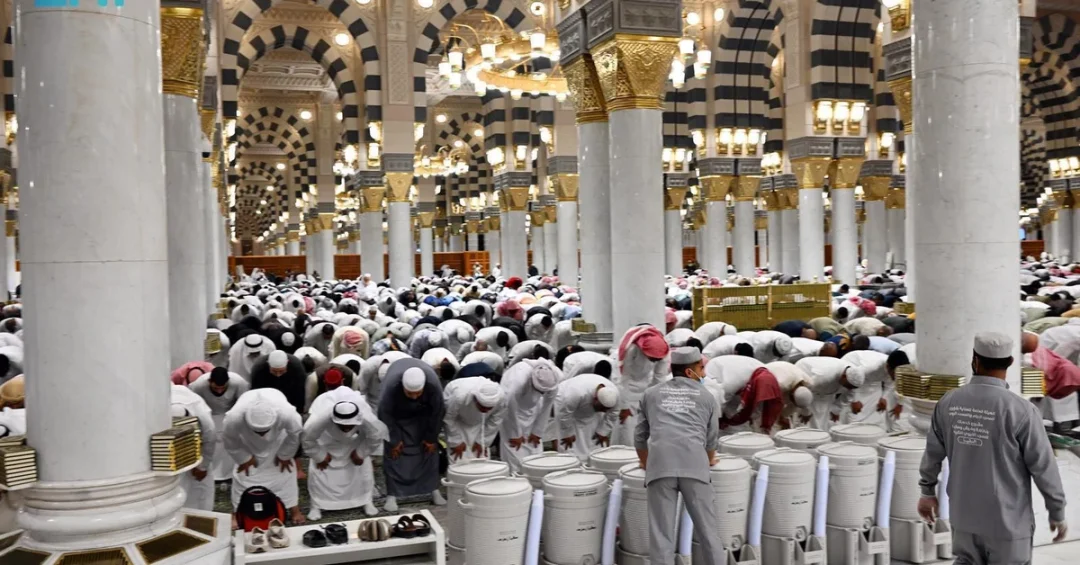
The General Presidency for the Care of the Two Holy Mosques has finalized extensive preparations, including an integrated field plan developed with security authorities, to accommodate the anticipated surge of worshippers at the Prophet’s Mosque in Madinah for today’s Quran recitation completion night, ensuring seamless access and a comfortable, peaceful environment for visitors. The announcement, released via the Saudi Press Agency, underscores the Kingdom’s enduring commitment to serving the millions of pilgrims and worshippers who visit the Two Holy Mosques each year.
Have you ever considered the immense logistical coordination required to host tens of thousands of worshippers for a single night of spiritual devotion? The completion night, known as Laylat al-Khatm, marks the conclusion of the Quran recitation cycle during Ramadan, a profoundly significant occasion in the Islamic calendar. Worshippers gather to hear the final verses of the Holy Quran recited, seeking blessings and spiritual fulfillment. The Presidency’s preparations reflect a meticulous, year-round effort to ensure that every visitor experiences comfort, safety, and tranquility. This operation is not merely about crowd control; it is a manifestation of Saudi Arabia’s sacred duty as Custodian of the Two Holy Mosques, a role that demands unwavering dedication and substantial resources. The integrated field plan, developed in coordination with security authorities, demonstrates the Kingdom’s proactive approach to managing large-scale religious events.
Context and Background
What does it take to prepare the Prophet’s Mosque for one of the most spiritually charged nights of the Islamic year? The General Presidency for the Care of the Two Holy Mosques, the government body responsible for the maintenance, operation, and service of the Grand Mosque in Makkah and the Prophet’s Mosque in Madinah, has a long history of managing massive crowds during Ramadan and other peak seasons. The Quran recitation completion night, which occurs on the 29th night of Ramadan (subject to the lunar calendar), is a highlight of the holy month. It is a time when the faithful complete the recitation of the entire Quran, a practice known as khatm al-Quran. The Presidency’s role is multifaceted: it must provide a clean, safe, and spiritually conducive environment while facilitating the movement of thousands of people through the mosque’s expansive halls, courtyards, and rooftops.
In recent years, the Kingdom has invested heavily in expanding and modernizing the Two Holy Mosques to accommodate growing numbers of pilgrims. The Prophet’s Mosque, in particular, has undergone significant expansions, including the addition of new prayer areas and advanced cooling systems. These projects are part of a broader strategy to enhance the pilgrimage experience, a key pillar of Vision 2030, which aims to diversify the economy and increase the number of Umrah and Hajj pilgrims to 30 million annually by 2030. The preparations for Laylat al-Khatm are a microcosm of this larger effort, showcasing the Kingdom’s ability to blend tradition with modernity, ensuring that ancient rituals are performed in a safe, comfortable, and technologically advanced setting.
Key Details
What specific measures have been taken to ensure a seamless experience for worshippers? According to the Saudi Press Agency, operational services have been significantly enhanced. The Presidency has provided prayer areas with carpets, and rigorous disinfection and cleaning protocols are in place, involving five daily washes and four fumigation sessions. This intensive cleaning regimen is critical for maintaining hygiene and preventing the spread of illness, especially given the large number of visitors. Furthermore, the distribution of Zamzam water has been organized to ensure that worshippers have access to the blessed water throughout the night. The Presidency has deployed 161 cleaning vehicles and provided 27,000 prayer rugs, demonstrating the scale of the operation.
Crowd management is a top priority. Increased efforts have been made to clear passageways and ensure smooth movement throughout the mosque, its courtyards, and the rooftop. This involves coordinating with security authorities to manage the flow of people, prevent bottlenecks, and respond to any emergencies. Maintenance services for elevators, sound and lighting systems, air conditioning, and safety systems have been thoroughly inspected and prepared. Emergency systems and rain preparedness measures are also in place, reflecting a comprehensive approach to risk management. Additionally, volunteer teams have been bolstered to provide additional support to worshippers, assisting with directions, information, and any other needs. These volunteers, often trained by the Presidency, play a vital role in enhancing the visitor experience.
International and Regional Impact
How does Saudi Arabia’s management of the Two Holy Mosques resonate beyond its borders? The Prophet’s Mosque is not only a site of pilgrimage for Saudis but also a destination for Muslims from around the world. Millions of international visitors travel to Madinah each year, particularly during Ramadan, to perform Umrah and visit the mosque. The efficient handling of Laylat al-Khatm sends a powerful message of competence, hospitality, and dedication to the global Muslim community. It reinforces the Kingdom’s standing as the preeminent custodian of Islamic holy sites and a leader in managing large-scale religious events. The positive experiences of pilgrims translate into goodwill and strengthen Saudi Arabia’s soft power.
Regionally, the successful execution of such events contributes to stability and cooperation. The coordination between the Presidency and security authorities serves as a model for other nations managing large gatherings. Moreover, the presence of international pilgrims fosters cultural exchange and economic activity in Madinah, supporting local businesses and the broader tourism sector. As Saudi Arabia continues to open up to the world under Vision 2030, the seamless operation of religious sites becomes an integral part of its national brand, showcasing a modern, welcoming, and efficient Kingdom.
Economic and Strategic Significance
What economic benefits flow from the meticulous preparation of the Prophet’s Mosque? The pilgrimage sector is a major contributor to Saudi Arabia’s economy, generating revenue through transportation, accommodation, retail, and hospitality. By ensuring that worshippers have a positive experience, the Kingdom encourages repeat visits and attracts new pilgrims. The investments in infrastructure, such as cleaning vehicles and prayer rugs, also stimulate local industries and create jobs. The Presidency’s procurement of goods and services supports businesses across the country, from manufacturers of carpets to providers of cleaning solutions. Furthermore, the use of advanced technologies in maintenance and crowd management demonstrates Saudi Arabia’s commitment to innovation and efficiency.
Strategically, the successful management of Laylat al-Khatm enhances the Kingdom’s reputation as a reliable and capable steward of Islam’s holiest sites. This is crucial for its regional and global standing. It also aligns with the goals of Vision 2030 by promoting religious tourism and showcasing the Kingdom’s ability to host millions of visitors safely and comfortably. The event serves as a testbed for new technologies and operational strategies that can be applied to future Hajj and Umrah seasons, continuously improving the pilgrimage experience.
Vision 2030 Alignment
How does this event fit into Saudi Arabia’s long-term vision? Vision 2030, the Kingdom’s ambitious blueprint for economic and social transformation, places a strong emphasis on enhancing the pilgrimage experience. One of its key objectives is to increase the capacity of the Two Holy Mosques and improve the quality of services provided to pilgrims. The preparations for Laylat al-Khatm are a direct reflection of this goal. By investing in infrastructure, technology, and human resources, the Kingdom is not only fulfilling its religious duty but also driving economic growth and demonstrating its organizational capabilities on a global stage.
Moreover, the event highlights the role of Saudi youth and volunteers, who are actively contributing to the success of the operation. This empowerment of young people and promotion of volunteerism are core tenets of Vision 2030. The seamless coordination among various government entities, including the General Presidency and security authorities, exemplifies the efficient governance that the Vision seeks to achieve. As Saudi Arabia continues to welcome the world, the exemplary management of the Prophet’s Mosque during peak times will remain a cornerstone of its identity and a source of pride for the entire Muslim world. The Kingdom’s unwavering commitment ensures that worshippers can focus on their spiritual journey, confident in the knowledge that every detail has been meticulously planned and executed.
20 Questions
Q1. What is the Quran recitation completion night at the Prophet’s Mosque?
A1. It is the night when the entire Quran is recited from beginning to end, typically on the 29th night of Ramadan, marking the completion of the holy book’s recitation during the month.
Q2. Who organized the preparations for this event?
A2. The General Presidency for the Care of the Two Holy Mosques, in coordination with security authorities, finalized all preparations to accommodate the expected surge of worshippers.
Q3. How many cleaning vehicles were deployed?
A3. The Presidency deployed 161 cleaning vehicles to ensure the mosque and its surroundings are kept clean and hygienic throughout the event.
Q4. How many prayer rugs were provided?
A4. A total of 27,000 prayer rugs were provided to accommodate worshippers in the mosque, its courtyards, and on the rooftop.
Q5. What disinfection measures were taken?
A5. The Presidency implemented rigorous disinfection and cleaning protocols, including five daily washes and four fumigation sessions, to maintain a safe environment.
Q6. How is crowd management handled?
A6. Increased efforts are made to clear passageways and ensure smooth movement throughout the mosque, courtyards, and rooftop, with support from security authorities.
Q7. What maintenance services were inspected?
A7. Elevators, sound and lighting systems, air conditioning, and safety systems were thoroughly inspected and prepared to ensure they function properly during the event.
Q8. Are there emergency and rain preparedness measures?
A8. Yes, emergency systems and rain preparedness measures are in place to handle any unexpected situations and ensure the safety of all worshippers.
Q9. How do volunteers contribute to the event?
A9. Volunteer teams have been bolstered to provide additional support to worshippers, assisting with directions, information, and other needs to enhance the visitor experience.
Q10. What is the significance of Zamzam water distribution?
A10. Zamzam water is considered blessed by Muslims, and its organized distribution ensures that worshippers have access to it throughout the night, adding to their spiritual experience.
Q11. How does this event reflect Saudi Arabia’s commitment to pilgrims?
A11. It demonstrates the Kingdom’s dedication to serving pilgrims by providing a comfortable, safe, and spiritually enriching environment, fulfilling its role as Custodian of the Two Holy Mosques.
Q12. What role does the Saudi Press Agency play?
A12. The Saudi Press Agency (SPA) is the official news agency that released the details of the preparations, ensuring accurate and timely information for the public.
Q13. How does this event align with Vision 2030?
A13. It aligns with Vision 2030’s goal to enhance the pilgrimage experience and increase capacity, showcasing the Kingdom’s ability to manage large-scale religious events efficiently.
Q14. What economic impact does the event have?
A14. The event stimulates the local economy in Madinah through increased demand for transportation, accommodation, retail, and other services, supporting businesses and job creation.
Q15. How does the event affect international pilgrims?
A15. International pilgrims benefit from the seamless organization, allowing them to focus on their spiritual journey, which enhances Saudi Arabia’s reputation globally.
Q16. What technologies are used in the preparations?
A16. Advanced technologies include modern cleaning vehicles, sound and lighting systems, air conditioning, and emergency systems, all inspected and prepared for optimal performance.
Q17. How many daily washes are performed?
A17. The Presidency conducts five daily washes of the mosque’s facilities to maintain high standards of cleanliness and hygiene.
Q18. What is the role of security authorities?
A18. Security authorities coordinate with the Presidency to manage crowds, ensure smooth movement, and respond to any emergencies, safeguarding all worshippers.
Q19. How does the event promote volunteerism?
A19. The bolstering of volunteer teams provides opportunities for individuals to contribute to the community and support the successful execution of the event, in line with Vision 2030’s emphasis on civic engagement.
Q20. What message does this send to the global Muslim community?
A20. It conveys a message of dedication, competence, and hospitality, reinforcing Saudi Arabia’s role as a reliable custodian of Islam’s holiest sites and a leader in hosting religious gatherings.
Reader Feedback
We value your thoughts. Please share your feedback on this article.
Your feedback helps us improve our coverage.
Related articles
 Saudi Water Authority Ensures Seamless Supply in Makkah, Madinah During Ramadan
 Sudanese Sovereignty Council Chairman Arrives in Jeddah
 Supreme Court Urges Shawwal Crescent Sighting Saturday
 King Salman Reserve Marks Green Initiative with 3 Million Trees
 KSrelief Delivers Urgent Medical Supplies to UNRWA in Gaza
 Civil Defense Ensures Safe Ramadan at Two Holy Mosques