


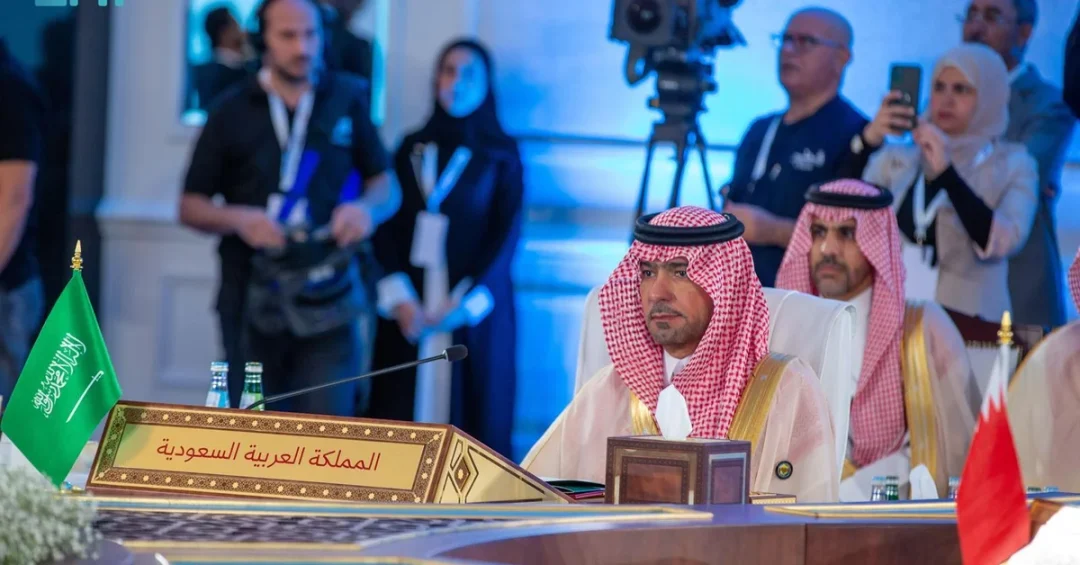
Saudi Arabia participated in the 27th meeting of the Committee of Ministers Responsible for Municipal Affairs of the Gulf Cooperation Council (GCC), held in Doha on May 30, 2024. The meeting brought together municipal affairs ministers from GCC member states to discuss shared priorities in urban development, municipal legislation, and public health, and to advance the 2024–2030 municipal action plan.
Context and Background
The GCC Committee of Ministers Responsible for Municipal Affairs convenes regularly to coordinate policies and share expertise among member states. This 27th meeting focused on enhancing cooperation in municipal services, sustainable urban development, and regulatory frameworks. The discussions align with the broader goals of the GCC to foster integration and improve the quality of life for citizens across the region.
The meeting also provided a platform for Saudi Arabia to showcase its leadership in municipal innovation, in line with the Kingdom’s Vision 2030 and its commitment to sustainable urban development.
Key Details
Majed Al-Hogail, Saudi Minister of Municipal and Rural Affairs and Housing, led the Saudi delegation. He expressed Saudi Arabia’s pleasure to host the 12th annual Gulf Municipal Work Conference in Riyadh from October 6 to 8, under the theme “sustainable municipal work.” Al-Hogail emphasized the importance of active participation from private-sector companies and institutions across the GCC to foster cooperation and expertise exchange.
The meeting addressed the proposed executive plan for initiatives related to the urban environment committee within the 2024–2030 municipal action plan. Participants discussed the executive plan for initiatives related to the municipal legislation and control mechanisms committee. The agenda also included guidelines for regulating food carts and social housing, procedures for the withdrawal and seizure of abandoned and damaged vehicles, and a requirements guide for public health control companies operating in the GCC.
The committee called upon GCC member countries and the Secretariat General to actively participate in international forums and showcase the achievements of joint Gulf municipal work. It stressed the ongoing need for the exchange of experts and specialists and the signing of memoranda of understanding (MoUs) with international organizations specialized in municipal affairs.
Implications and Impact
The outcomes of this meeting are expected to enhance municipal services across the GCC, leading to more efficient urban management, improved public health standards, and sustainable development. The exchange of expertise and the adoption of unified guidelines will facilitate smoother implementation of municipal projects and foster regional integration. Saudi Arabia’s active role underscores its commitment to regional cooperation and its leadership in municipal affairs.
Vision 2030 Alignment
Saudi Arabia’s participation in the GCC Municipal Affairs Committee directly supports Vision 2030, which aims to develop sustainable cities, enhance quality of life, and promote international cooperation. By sharing best practices and hosting the upcoming Gulf Municipal Work Conference, the Kingdom reinforces its dedication to achieving the Vision’s objectives and contributing to the prosperity of the region.
20 Questions
Q1. What was the 27th meeting of the GCC Committee of Ministers Responsible for Municipal Affairs?
A1. The 27th meeting of the GCC Committee of Ministers Responsible for Municipal Affairs was held in Doha on May 30, 2024, bringing together ministers from GCC member states to discuss municipal cooperation.
Q2. Who led the Saudi delegation to the meeting?
A2. Saudi Minister of Municipal and Rural Affairs and Housing Majed Al-Hogail led the Saudi delegation to the meeting in Doha.
Q3. What is the theme of the upcoming 12th annual Gulf Municipal Work Conference?
A3. The theme is “sustainable municipal work,” and it will be hosted by Saudi Arabia in Riyadh from October 6 to 8.
Q4. What did the meeting discuss regarding the urban environment committee?
A4. The meeting discussed the proposed executive plan for initiatives related to the urban environment committee within the 2024–2030 municipal action plan.
Q5. What did the committee call upon GCC member countries to do?
A5. The committee called upon GCC member countries and the Secretariat General to actively participate in international forums and showcase joint Gulf municipal work achievements.
Q6. What guidelines were reviewed during the meeting?
A6. Guidelines for regulating food carts and social housing were reviewed.
Q7. What procedures regarding vehicles were approved?
A7. Procedures for the withdrawal and seizure of abandoned and damaged vehicles were approved.
Q8. What guide was discussed for public health control companies?
A8. A requirements guide for public health control companies operating in the GCC countries was discussed.
Q9. Why is the exchange of experts important in municipal work?
A9. Exchange of experts facilitates knowledge sharing, improves municipal practices, and promotes innovation across GCC countries.
Q10. What role do MoUs with international organizations play?
A10. MoUs with international organizations enhance cooperation, bring global best practices, and support the modernization of municipal services in the GCC.
Q11. How does Saudi Arabia’s participation align with Vision 2030?
A11. Saudi Arabia’s participation supports Vision 2030 goals of sustainable urban development, improved quality of life, and enhanced regional cooperation.
Q12. What is the significance of hosting the Gulf Municipal Work Conference?
A12. Hosting the conference highlights Saudi Arabia’s leadership in municipal affairs and provides a platform for sharing innovative solutions for sustainable cities.
Q13. What are the expected outcomes of the meeting?
A13. Expected outcomes include enhanced municipal services, unified regulations, and strengthened regional integration among GCC states.
Q14. How does municipal cooperation benefit GCC citizens?
A14. Municipal cooperation leads to better urban planning, improved public services, and higher living standards for citizens across the region.
Q15. What is the 2024–2030 municipal action plan?
A15. The 2024–2030 municipal action plan is a strategic framework outlining initiatives for sustainable municipal development in GCC countries.
Q16. What is the role of the private sector in municipal work?
A16. The private sector contributes innovation, investment, and expertise, which are essential for advancing municipal projects and services.
Q17. How does the meeting address public health?
A17. The meeting addresses public health through guidelines for food carts and requirements for public health control companies.
Q18. What are the benefits of regulating food carts and social housing?
A18. Regulation ensures safety, hygiene, and order, while social housing provides affordable living options, enhancing community well-being.
Q19. How does Saudi Arabia demonstrate leadership in municipal affairs?
A19. Saudi Arabia demonstrates leadership by actively participating, hosting key conferences, and sharing best practices with GCC partners.
Q20. What is the long-term vision for Gulf municipal work?
A20. The long-term vision is to create sustainable, smart, and inclusive cities that offer a high quality of life for all residents in the GCC.
Reader Feedback
We value your thoughts. Please share your feedback on this article.
Your feedback helps us improve our coverage.