


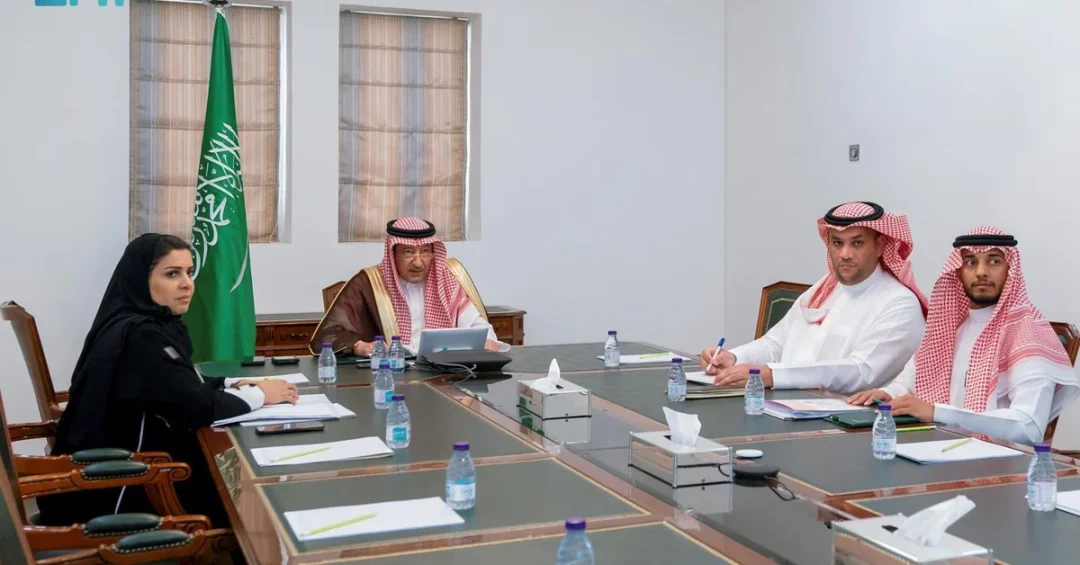
Saudi Arabia and Georgia convened the third round of political consultations via videoconference on July 22, 2024, co-chaired by Vice Minister of Foreign Affairs Eng. Waleed El-Khereiji and Georgian Deputy Minister of Foreign Affairs Alexander Khvitisiashvili. The meeting underscored the two nations’ commitment to strengthening bilateral ties and coordinating on regional and international issues of mutual interest, according to the Saudi Press Agency (SPA).
Context and Background
The political consultations mechanism between Saudi Arabia and Georgia serves as a vital platform for deepening diplomatic engagement and exploring avenues for cooperation. This third round builds on previous meetings that have steadily expanded the scope of the bilateral relationship. Georgia, located at the crossroads of Europe and Asia, holds strategic significance for the Kingdom’s broader foreign policy objectives, which prioritize stability, economic diversification, and constructive international partnerships. The discussions reflect Saudi Arabia’s proactive diplomacy under the leadership of the Custodian of the Two Holy Mosques, King Salman bin Abdulaziz Al Saud, and His Royal Highness Crown Prince Mohammed bin Salman bin Abdulaziz Al Saud, Prime Minister.
Key Details
During the videoconference, the two sides reviewed means of enhancing bilateral relations across various fields, with a particular focus on political cooperation. They also exchanged views on bilateral and multilateral coordination regarding issues of mutual interest. The consultations aimed to fulfill the aspirations of the leaderships and peoples of both countries, promoting peace, security, and development. The meeting was conducted in a spirit of friendship and mutual respect, characteristic of the growing partnership between Riyadh and Tbilisi.
Implications and Impact
The third round of political consultations signals the deepening of Saudi-Georgian relations and opens new opportunities for collaboration in trade, investment, culture, and tourism. For Saudi Arabia, engagement with Georgia supports its Vision 2030 goals by fostering economic diversification and expanding international partnerships. It also enhances the Kingdom’s role as a bridge between regions and a promoter of dialogue. For Georgia, strengthened ties with Saudi Arabia can bring economic benefits and greater regional connectivity. The consultations contribute to stability in the Caucasus and beyond, aligning with Saudi Arabia’s commitment to peaceful resolution of conflicts and multilateral cooperation.
Vision 2030 Alignment
This diplomatic engagement exemplifies Saudi Arabia’s Vision 2030 objective of building a diversified, globally connected economy and an influential foreign policy. By nurturing relationships with countries like Georgia, the Kingdom advances its strategic interests, promotes mutual prosperity, and reinforces its position as a responsible global leader. The successful consultations reaffirm Saudi Arabia’s dedication to international cooperation and its active role in shaping a more stable and prosperous world.
20 Questions
Q1. Who co-chaired the third round of political consultations between Saudi Arabia and Georgia?
A1. The consultations were co-chaired by Vice Minister of Foreign Affairs Eng. Waleed El-Khereiji and Georgian Deputy Minister of Foreign Affairs Alexander Khvitisiashvili.
Q2. When did the third round of political consultations take place?
A2. The third round took place on July 22, 2024, according to the Saudi Press Agency.
Q3. How were the consultations conducted?
A3. The consultations were held via videoconference, as reported by the Saudi Press Agency.
Q4. What was the main focus of the consultations?
A4. The main focus was on enhancing bilateral relations in various fields, especially in the political sphere, and coordinating on issues of mutual interest.
Q5. What does the third round of consultations signify?
A5. It signifies the deepening of diplomatic ties and the commitment of both nations to strengthen cooperation and dialogue.
Q6. Which Saudi official represented the Kingdom?
A6. Vice Minister of Foreign Affairs Eng. Waleed El-Khereiji represented Saudi Arabia.
Q7. Which Georgian official represented Georgia?
A7. Georgian Deputy Minister of Foreign Affairs Alexander Khvitisiashvili represented Georgia.
Q8. What are the aspirations mentioned in the consultations?
A8. The consultations aimed to fulfill the aspirations of the leaderships and peoples of both countries for enhanced cooperation and mutual benefit.
Q9. How does this meeting align with Saudi Vision 2030?
A9. It supports Vision 2030 by expanding international partnerships, promoting economic diversification, and enhancing Saudi Arabia’s global role.
Q10. What areas of cooperation were discussed?
A10. The discussions covered political cooperation, bilateral relations, and multilateral coordination on issues of mutual interest.
Q11. Why is Georgia important to Saudi Arabia?
A11. Georgia’s strategic location at the crossroads of Europe and Asia makes it a valuable partner for trade, investment, and regional stability.
Q12. What is the significance of political consultations?
A12. They provide a platform for regular dialogue, strengthen diplomatic ties, and facilitate coordination on regional and international matters.
Q13. Who reported on the consultations?
A13. The Saudi Press Agency (SPA) reported on the consultations, highlighting their outcomes.
Q14. What tone characterized the meeting?
A14. The meeting was conducted in a spirit of friendship and mutual respect, reflecting the growing partnership.
Q15. What benefits can Georgia gain from these consultations?
A15. Georgia can benefit economically through increased trade and investment, and politically through stronger ties with Saudi Arabia.
Q16. How does this fit into Saudi Arabia’s foreign policy?
A16. It reflects Saudi Arabia’s proactive diplomacy, commitment to stability, and pursuit of constructive international partnerships.
Q17. What does the term ‘bilateral and multilateral coordination’ refer to?
A17. It refers to cooperation between the two countries and within international forums on shared concerns.
Q18. What future steps might follow these consultations?
A18. Future steps may include agreements, exchanges, and joint initiatives in areas like trade, culture, and tourism.
Q19. Who is Eng. Waleed El-Khereiji?
A19. Eng. Waleed El-Khereiji is the Vice Minister of Foreign Affairs of Saudi Arabia, representing the Kingdom in diplomatic engagements.
Q20. Who is Alexander Khvitisiashvili?
A20. Alexander Khvitisiashvili is the Deputy Minister of Foreign Affairs of Georgia, participating in bilateral discussions with Saudi Arabia.
Reader Feedback
We value your thoughts. Please share your feedback on this article.
Your feedback helps us improve our coverage.