Saudi Arabia has launched the Water Regulation Forum, a new international platform convened by the Saudi Water Authority (SWA) in Riyadh, to strengthen cooperation among water-sector regulators worldwide. Announced via the Saudi Press Agency, the forum will bring together regulators, policymakers, international and financial institutions, and water-sector leaders to advance more adaptive, efficient, and sustainable regulatory frameworks. The inaugural edition is scheduled for November 1, 2026, in Riyadh, held alongside the International Desalination and Reuse Association (IDRA) World Congress 2026, which the Kingdom hosts from November 1 to 5 under the patronage of Minister of Environment, Water and Agriculture Abdulrahman Alfadley.
Why does a single gathering of regulators in Riyadh matter to households, farmers, and investors across four continents? Because water regulation has quietly become one of the most consequential levers of economic and environmental policy. The forum arrives as rapid global shifts reshape the role of water regulators. Their responsibilities now extend beyond licensing, compliance, and utility performance oversight to enabling investment and innovation, strengthening supply reliability, regulating the expansion of desalination and water reuse, and responding to increasing water scarcity, climate change, and rising demand. Saudi Arabia, which operates one of the world’s largest integrated water systems, is positioning its capital as the convening ground for that global conversation.
Context and Background
Why has water regulation moved from a technical backwater to the center of national strategy? The answer lies in the scale of the challenge. Population growth, urbanization, industrial expansion, and climate variability are intensifying pressure on freshwater resources everywhere, while desalination and water reuse have become mainstream supply sources rather than niche alternatives. Regulators must now balance resource sustainability, service quality, cost efficiency, consumer protection, and the sector’s ability to attract long-term investment. The Water Regulation Forum represents a Saudi initiative to establish a specialized international platform that connects diverse regulatory experiences, enabling regulators to examine shared challenges and develop policies and regulatory tools suited to different water, institutional, and economic contexts.
The initiative draws directly on Saudi Arabia’s operational record. The Kingdom’s desalinated water production capacity exceeds 16.4 million cubic meters per day, representing more than 22 percent of global production capacity, supported by an extensive system spanning water production, transmission, storage, distribution, treatment, and reuse. Managing that chain requires regulatory coordination across ministries, utilities, and private partners. Through the forum, the Saudi Water Authority aims to translate this experience into an international dialogue that compares regulatory approaches, facilitates knowledge exchange among countries, and identifies practices that can be adapted to local conditions. For a global audience, the significance is straightforward: regulatory quality determines whether water infrastructure gets built, financed, and maintained.
The forum is organized in strategic partnership with the International Desalination and Reuse Association (IDRA), a recognized global body in desalination and water reuse. That partnership connects the regulatory agenda with worldwide developments in desalination technology, water reuse, investment, and innovation, while facilitating access to an international network of regulators, utilities, experts, research institutions, and financial organizations. By anchoring the event alongside the IDRA World Congress 2026, Saudi Arabia links regulatory policy to the industrial and technological frontier, ensuring that rule-making keeps pace with the engineering realities of modern water supply.
Key Details
What will actually happen when the forum convenes in Riyadh? The inaugural edition will feature 28 speakers from 24 countries, four international organizations, and 25 government entities that are counterparts to the Saudi Water Authority. Its program will examine the changing role of water regulators, the future of regulatory frameworks, governance and scarcity management, utility performance and compliance, public-private partnerships and financing, digital transformation, innovation, and the regulation of desalination and water reuse. Each theme reflects a practical question regulators face daily: how to price water fairly, how to incentivize efficiency, how to protect consumers, and how to reassure investors that tariffs and contracts will remain stable over decades-long asset lives.
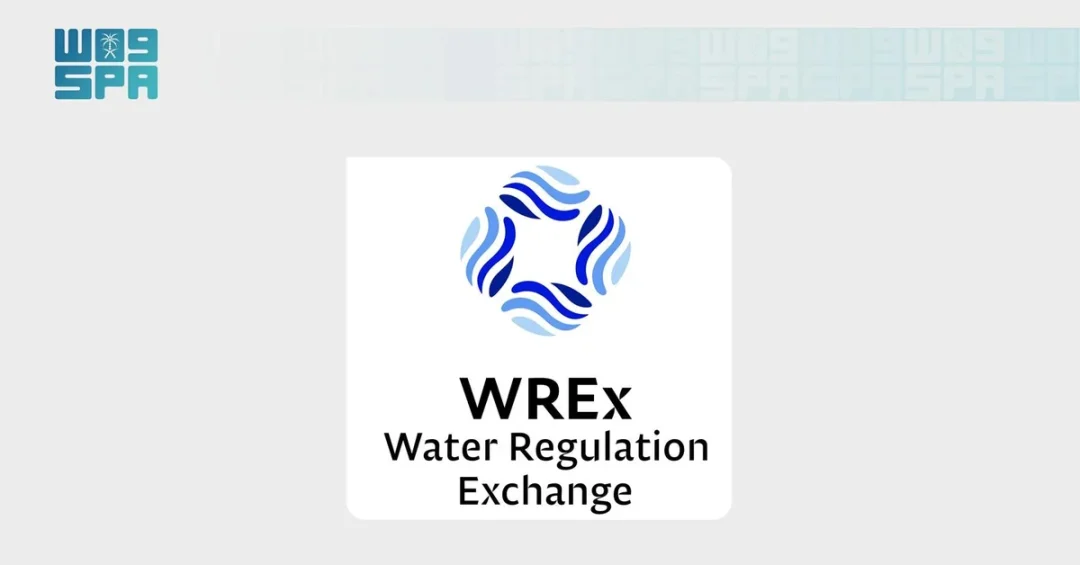
The forum will also present regulatory experiences from multiple regions and international markets. Discussions will explore how regulatory integration can move from principle to practice to improve efficiency, resilience, investor confidence, and public value, contributing to a shared agenda for water regulation in systems facing scarcity and increasingly diverse sources of supply. A central moment will be the official unveiling of the identity and strategic direction of the Water Regulation Exchange (WREx), followed by the signing of its founding documents. This will pave the way for the first edition of WREx in Riyadh in 2027 as an annual international platform for regulatory cooperation, knowledge exchange, and the advancement of water-sector regulatory practices.
The choice of Riyadh as the permanent home for this emerging platform is not incidental. Saudi Arabia has invested heavily in water institutions, data systems, and performance monitoring as part of its broader modernization program. Hosting the forum alongside a major industry congress allows delegates to see the Kingdom’s infrastructure firsthand, from mega-scale desalination plants to advanced reuse facilities. For international participants, the event offers a rare combination of policy dialogue and operational exposure, a format designed to produce actionable outcomes rather than communiqués alone.
International and Regional Impact
How will a Riyadh-based forum change outcomes in countries thousands of miles away? Water regulation is inherently transnational in its lessons. A tariff design that improves cost recovery in one arid country can inform another; a reuse safety standard developed in one jurisdiction can accelerate adoption elsewhere. By creating a standing platform, the Water Regulation Forum reduces the transaction costs of that learning. Regulators from Africa, Asia, Europe, the Americas, and the Middle East will compare notes on scarcity management, drought response, and the integration of non-conventional water sources. The presence of international financial institutions matters as well, because regulatory credibility is a precondition for the long-term capital that water systems require.
For the region, the forum reinforces a pattern of Saudi-led convening on shared challenges. Water scarcity is a defining condition across the Middle East, and cooperative approaches to desalination, reuse, and efficiency carry direct benefits for neighbors. The involvement of 25 counterpart government entities signals that the initiative is built for genuine peer exchange, not one-way advocacy. Over time, WREx is intended to become an annual fixture, giving regulators a predictable venue to track emerging issues such as brine management, energy-water linkages, cybersecurity of utility systems, and the regulation of decentralized treatment technologies.
Economic and Strategic Significance
Why should investors and businesses pay attention to a regulators’ forum? Because regulation shapes risk. Water utilities are capital-intensive, long-lived assets, and private capital flows toward jurisdictions with transparent, predictable rules. The forum’s agenda explicitly covers public-private partnerships and financing, digital transformation, and innovation, all areas where regulatory clarity determines bankability. By helping regulators design frameworks that balance consumer protection with investor confidence, the initiative supports the global pipeline of water infrastructure at a time when many systems need renewal and expansion. For Saudi Arabia, the strategic dividend is equally clear: a leadership role in a sector that is central to economic resilience and human welfare.
The Kingdom’s own water sector illustrates the stakes. Producing more than 16.4 million cubic meters of desalinated water per day requires enormous energy, engineering, and logistics, and more than 22 percent of global desalination capacity sits within its borders. Regulating that system efficiently yields lessons in cost control, reliability, and environmental performance. Sharing those lessons elevates Saudi Arabia’s standing in multilateral technical governance, complementing its roles in energy and development finance. The forum thus serves both as a diplomatic instrument and as a practical contribution to a global public good.
Vision 2030 Alignment
How does a water regulation forum connect to Saudi Arabia’s long-term national transformation? Vision 2030 emphasizes sustainability, economic diversification, and international engagement, and water security underpins all three. Reliable water supplies enable urban growth, industrial development, agriculture, and tourism, while efficient regulation protects public finances and the environment. The Saudi Water Authority’s initiative reflects the Vision’s ambition to turn national capabilities into global contributions, positioning the Kingdom as a convener and knowledge exporter rather than only a consumer of international expertise. The unveiling of the Water Regulation Exchange and the signing of its founding documents mark the institutionalization of that ambition.
As the November 2026 forum approaches, the focus will shift from announcement to delivery: recruiting members, defining workstreams, and ensuring that WREx delivers measurable value in its first annual edition in 2027. For international observers, the event offers a clear signal that Saudi Arabia intends to shape the rules of water governance in an era of scarcity. The Kingdom’s message is one of partnership, and the platform it is building invites the world’s regulators to help write the next chapter of water policy together.
20 Questions
Q1. What is the Water Regulation Forum?
A1. It is a new international platform launched by the Saudi Water Authority to strengthen cooperation among water-sector regulators worldwide, bringing together policymakers, institutions, and water leaders to advance sustainable regulatory frameworks.
Q2. When and where will the inaugural forum take place?
A2. The inaugural Water Regulation Forum will be held in Riyadh on November 1, 2026, alongside the IDRA World Congress 2026, which Saudi Arabia hosts from November 1 to 5.
Q3. Who is organizing the forum?
A3. The Saudi Water Authority is organizing the forum in strategic partnership with the International Desalination and Reuse Association, connecting regulatory dialogue with global developments in desalination and reuse.
Q4. How many speakers and countries will participate?
A4. The inaugural forum will feature 28 speakers from 24 countries, four international organizations, and 25 government entities that are counterparts to the Saudi Water Authority.
Q5. What topics will the forum program cover?
A5. Sessions will examine the changing role of regulators, future regulatory frameworks, governance and scarcity management, utility performance, public-private partnerships, financing, digital transformation, innovation, and desalination and reuse regulation.
Q6. What is the Water Regulation Exchange (WREx)?
A6. WREx is a new international platform whose identity and strategic direction will be unveiled at the forum, followed by the signing of founding documents, with its first edition planned in Riyadh in 2027.
Q7. Why is water regulation becoming more important globally?
A7. Regulators now must enable investment and innovation, ensure supply reliability, oversee desalination and reuse expansion, and respond to scarcity, climate change, and rising demand, far beyond traditional licensing and compliance.
Q8. What experience does Saudi Arabia bring to the forum?
A8. Saudi Arabia manages one of the world’s largest integrated water systems, with desalinated production exceeding 16.4 million cubic meters per day, more than 22 percent of global capacity, spanning production, transmission, storage, distribution, treatment, and reuse.
Q9. Who is the patron of the IDRA World Congress 2026?
A9. Minister of Environment, Water and Agriculture Abdulrahman Alfadley is the patron of the IDRA World Congress 2026, which Saudi Arabia hosts in Riyadh from November 1 to 5.
Q10. What does the forum aim to achieve for regulators?
A10. It aims to compare regulatory approaches, facilitate knowledge exchange among countries, and identify practices adaptable to different water, institutional, and economic contexts, improving efficiency and resilience.
Q11. How does the forum address investment and financing?
A11. The program covers public-private partnerships and financing, helping regulators design frameworks that balance consumer protection with investor confidence, which is essential for long-term water infrastructure capital.
Q12. Why is Riyadh hosting this international platform?
A12. Riyadh offers a central venue with demonstrated water expertise and institutional capacity, allowing delegates to combine policy dialogue with firsthand exposure to mega-scale desalination and reuse infrastructure.
Q13. What role does the IDRA partnership play?
A13. The partnership connects the regulatory agenda with global developments in desalination, water reuse, investment, and innovation, and provides access to an international network of experts and organizations.
Q14. Will the forum be an annual event?
A14. The forum paves the way for the first edition of WREx in Riyadh in 2027 as an annual international platform for regulatory cooperation, knowledge exchange, and advancing water-sector practices.
Q15. What benefits does the forum offer developing countries?
A15. It offers access to comparative regulatory experience, practical tools for scarcity management, and connections to international financial institutions, helping countries strengthen water governance without duplicating costly trial and error.
Q16. How does the forum relate to climate change adaptation?
A16. By focusing on scarcity management, supply diversification, reuse, and resilience, the forum helps regulators prepare systems for climate variability and increasing demand pressures worldwide.
Q17. What is Saudi Arabia’s desalination capacity share globally?
A17. Saudi Arabia’s desalinated water production capacity exceeds 16.4 million cubic meters per day, representing more than 22 percent of global production capacity, supported by an extensive integrated system.
Q18. What outcomes are expected from the founding documents signing?
A18. The signing institutionalizes WREx, establishing a formal framework for annual regulatory cooperation, knowledge exchange, and the advancement of water-sector regulatory practices internationally.
Q19. How does this initiative align with Vision 2030?
A19. It reflects Vision 2030’s emphasis on sustainability, diversification, and international engagement, positioning Saudi Arabia as a global convener and knowledge exporter in water governance.
Q20. How can international regulators participate?
A20. Regulators, utilities, experts, research institutions, and financial organizations can engage through the forum and the emerging WREx platform, with details coordinated via the Saudi Water Authority and IDRA partnership channels.
Reader Feedback
We value your thoughts. Please share your feedback on this article.
Your feedback helps us improve our coverage.