


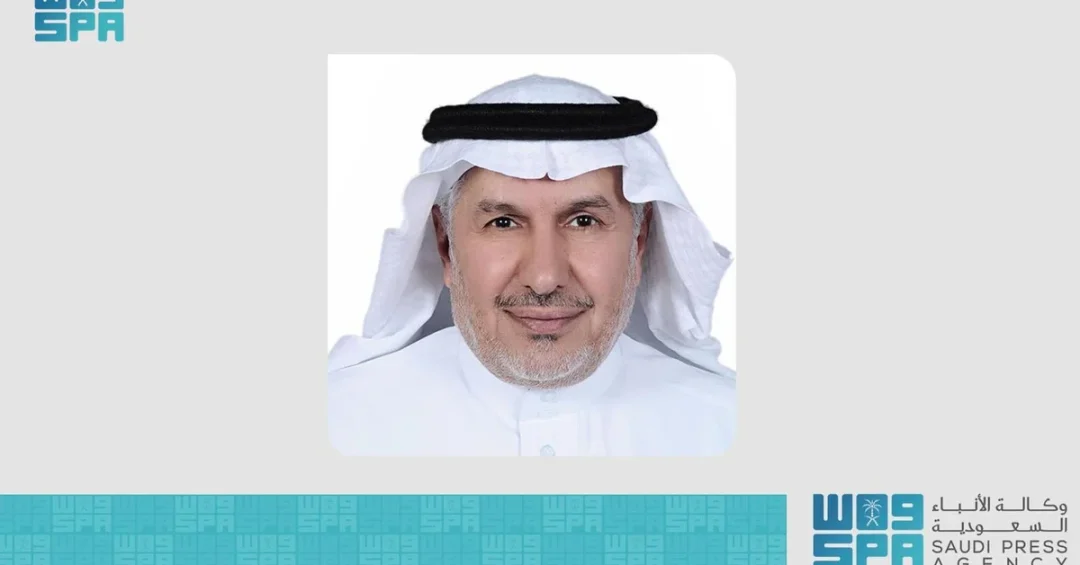
Riyadh, July 31, 2024 – The Kingdom of Saudi Arabia has provided over $130.34 billion in humanitarian and relief aid to 170 countries between 1996 and 2024, a senior Saudi official confirmed during a virtual meeting organized by the National Council on US-Arab Relations. Speaking via video call, Advisor at the Royal Court and Supervisor General of King Salman Humanitarian Aid and Relief Center (KSrelief) Dr. Abdullah bin Abdulaziz Al Rabeeah detailed the Kingdom’s extensive global humanitarian contributions. The Council’s CEO, Delano Roosevelt, attended the meeting alongside his delegation.
Context and Background
Dr. Al Rabeeah emphasized that KSrelief was established with a clear mission to become a leading international center for relief and humanitarian work, operating according to the highest global standards of governance. The center’s core values include neutrality, transparency, quality, and professionalism—principles that underpin its partnerships and operations worldwide. Since its inception in 2015, KSrelief has implemented approximately 3,009 projects across 100 countries, exceeding $6.940 billion in total value. These projects span vital sectors and have been carried out in collaboration with 187 international and United Nations organizations, demonstrating Saudi Arabia’s structured and scalable approach to humanitarian assistance.
Key Details and Sectoral Impact
Dr. Al Rabeeah highlighted that Yemen received the largest share of KSrelief’s projects, accounting for 64% of total aid at over $4.466 billion. The center also prioritized vulnerable populations, with 992 projects dedicated to women benefiting more than 151 million women, valued at over $653 million, and 926 projects focused on children, reaching over 179 million children valued at over $888 million. In addition, Saudi Arabia hosts an estimated 1,093,926 refugees from countries including Yemen, Syria, and Myanmar, providing them with free treatment, education, and social integration opportunities. The Kingdom’s global health efforts included over $824.291 million in medical and preventive aid to more than 50 countries during the COVID-19 pandemic. Dr. Al Rabeeah also noted the Saudi Conjoined Twins Program, which has examined 141 cases from 26 countries and successfully performed 61 separation surgeries.
Recent Humanitarian Responses and Special Initiatives
Dr. Al Rabeeah detailed the Kingdom’s immediate response to the Gaza Strip crisis, providing $185 million in total aid, supported by a humanitarian airbridge of 54 planes and a maritime bridge of 8 ships. Saudi Arabia also airdropped high-quality food to affected areas. The Kingdom contributed $120 million to Sudan amid its ongoing crisis and pledged $400 million to Ukraine to address the humanitarian situation there. KSrelief’s specialized programs include the Saudi demining initiative (Masam) in Yemen, which has removed over 453,000 mines, and the Saudi Sama’a Volunteer Program for Cochlear Implantation in Türkiye and Syria, aiming to conduct 120 cochlear implant surgeries and distribute 375 hearing aids. Dr. Al Rabeeah noted that the United Nations designated November 24 as ‘World Conjoined Twins Day’ at Saudi Arabia’s initiative, and an international conference will be held in Riyadh in November to mark the 30th anniversary of the Saudi Conjoined Twins Program, followed by the fourth edition of the Riyadh International Humanitarian Forum in February 2025.
International Recognition
Delano Roosevelt, CEO of the National Council on US-Arab Relations, praised the Kingdom’s humanitarian and relief efforts, noting that they have reached all corners of the world without discrimination. This endorsement from a respected US-based organization underscores the international community’s recognition of Saudi Arabia’s consistent and principled humanitarian leadership.
Vision 2030 Alignment
Saudi Arabia’s expansive humanitarian outreach, as detailed by Dr. Al Rabeeah, aligns directly with the Kingdom’s Vision 2030 goals by reinforcing its role as a global humanitarian hub and a reliable international partner. The ongoing expansion of KSrelief’s programs, digital platforms for aid distribution, and partnerships with UN agencies demonstrate a systematic commitment to sustainable development, community resilience, and compassionate leadership on the world stage.
20 Questions
Q1. Who is the Supervisor General of KSrelief?
A1. The Supervisor General of KSrelief is Dr. Abdullah bin Abdulaziz Al Rabeeah, who is also an Advisor at the Royal Court of the Kingdom of Saudi Arabia.
Q2. How much humanitarian aid has Saudi Arabia provided globally between 1996 and 2024?
A2. Saudi Arabia has provided over $130.34 billion in humanitarian and relief aid to 170 countries worldwide during this period.
Q3. What is the National Council on US-Arab Relations?
A3. The National Council on US-Arab Relations is a US-based organization focused on strengthening ties between the United States and Arab nations, and it hosted the meeting where Dr. Al Rabeeah spoke.
Q4. How many projects has KSrelief implemented since its establishment?
A4. Since its establishment in 2015, KSrelief has implemented around 3,009 projects in 100 countries worldwide.
Q5. What is the total value of KSrelief’s projects?
A5. The total value of KSrelief’s projects exceeds $6.940 billion.
Q6. How many international and UN organizations has KSrelief partnered with?
A6. KSrelief has partnered with 187 international and United Nations organizations to implement its projects.
Q7. Which country received the largest share of KSrelief’s aid?
A7. Yemen received the largest share, accounting for 64% of total KSrelief aid, valued at over $4.466 billion.
Q8. How many women have benefited from KSrelief’s projects?
A8. More than 151 million women have benefited from 992 projects dedicated to women, valued at over $653 million.
Q9. How many children have benefited from KSrelief’s projects?
A9. More than 179 million children have benefited from 926 projects focused on children, valued at over $888 million.
Q10. How many refugees does Saudi Arabia host?
A10. Saudi Arabia hosts an estimated 1,093,926 refugees from countries including Yemen, Syria, and Myanmar.
Q11. What services does Saudi Arabia provide to refugees?
A11. Saudi Arabia provides refugees with free treatment, education, and opportunities for social integration.
Q12. How much medical aid did Saudi Arabia provide during the COVID-19 pandemic?
A12. Saudi Arabia provided over $824.291 million in medical and preventive aid to more than 50 countries during the pandemic.
Q13. What is the Masam project in Yemen?
A13. Masam is the Saudi program for demining in Yemen, which has successfully removed over 453,000 mines from Yemeni territories.
Q14. What is the Saudi Conjoined Twins Program?
A14. The Saudi Conjoined Twins Program has examined 141 cases from 26 countries and successfully performed 61 separation surgeries for conjoined and parasitic twins.
Q15. How much aid has Saudi Arabia provided to the Gaza Strip during the recent crisis?
A15. Saudi Arabia has provided $185 million in aid to the Palestinian people, including through an airbridge of 54 planes and a maritime bridge of 8 ships.
Q16. How much aid has Saudi Arabia provided to Sudan?
A16. Saudi Arabia has provided $120 million to Sudan during its current crisis.
Q17. How much has Saudi Arabia pledged to Ukraine?
A17. Saudi Arabia has pledged to donate $400 million to Ukraine to alleviate suffering from the humanitarian crisis there.
Q18. What is the Saudi Sama’a Volunteer Program?
A18. The Saudi Sama’a Volunteer Program is a cochlear implantation and hearing rehabilitation initiative for earthquake victims in Türkiye and Syria, aiming to perform 120 surgeries and distribute 375 hearing aids.
Q19. When was World Conjoined Twins Day designated by the UN?
A19. November 24 was designated as ‘World Conjoined Twins Day’ by the United Nations at the initiative of the Kingdom of Saudi Arabia.
Q20. When will the Riyadh International Humanitarian Forum be held?
A20. The fourth edition of the Riyadh International Humanitarian Forum will be held in February 2025, organized by KSrelief.
Reader Feedback
We value your thoughts. Please share your feedback on this article.
Your feedback helps us improve our coverage.