


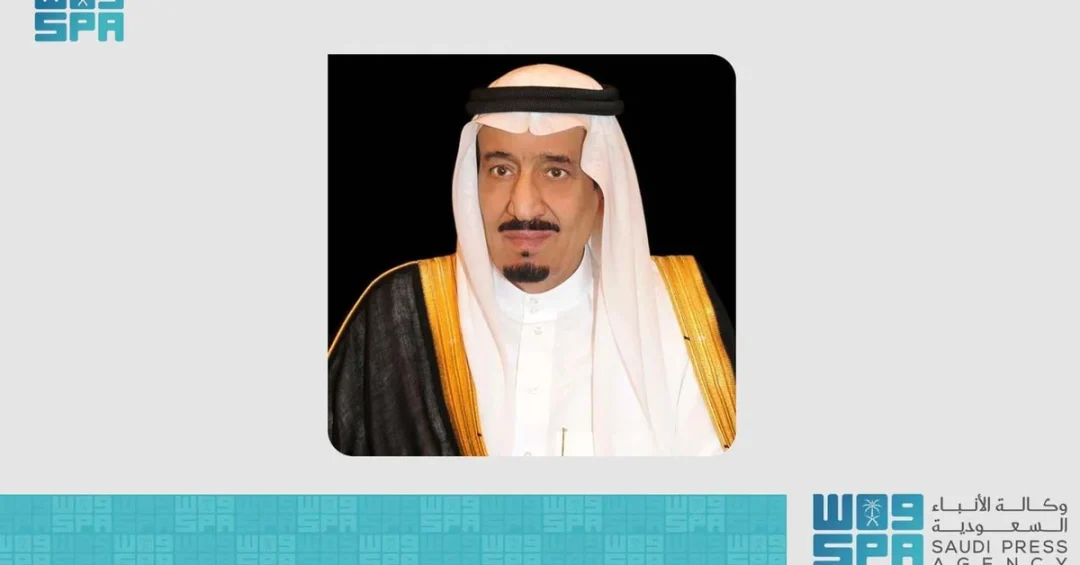
Deputizing for Custodian of the Two Holy Mosques King Salman bin Abdulaziz Al Saud, Minister of Industry and Mineral Resources Bandar Alkhorayef inaugurated the fourth edition of the Future Minerals Forum in Riyadh on January 15, 2025, welcoming more than 20,000 participants from 170 countries and 250 speakers across over 70 sessions. The two-day gathering, held in the Saudi capital, has quickly become one of the world’s most important platforms for shaping the future of mining, mineral supply chains, and the global energy transition. With delegations from every continent and a program spanning investment, innovation, and international cooperation, the forum underscores the Kingdom’s growing role as a convening power in a sector that is central to the global economy.
Why does a mining conference in Riyadh now command attention at the highest levels of government and industry worldwide? The answer lies in the intersection of geology, geopolitics, and economic transformation. As the world shifts toward cleaner energy, electric vehicles, and advanced manufacturing, demand for critical minerals such as copper, lithium, nickel, and rare earth elements is rising sharply. Saudi Arabia, long known for its hydrocarbon wealth, is positioning itself as a reliable partner in meeting that demand, leveraging an estimated mineral endowment worth SAR 9.4 trillion (USD 2.5 trillion) and a regulatory environment designed to attract global investment. The fourth Future Minerals Forum is the clearest signal yet that the Kingdom intends to be a linchpin of the mineral value chain that stretches from Africa to West and Central Asia.
Context and Background
How did the Future Minerals Forum become a fixture on the global mining calendar in just four years? Launched in 2022 under the direction of the Ministry of Industry and Mineral Resources, the forum was conceived as a platform to connect resource-rich nations, investors, technology providers, and multilateral organizations. Its first edition drew a few thousand participants; the fourth has drawn more than 20,000, a testament to the urgency of the issues it addresses and the credibility Saudi Arabia has built as an honest broker in the sector.
The forum’s growth mirrors the broader evolution of Saudi Arabia’s mining strategy. In 2020, the Kingdom enacted a new Mining Investment Law designed to improve transparency, streamline licensing, and offer incentives to investors. The Saudi Industrial Development Fund and the Public Investment Fund have since deployed capital into mineral exploration and processing. Manara Minerals, a joint venture between Ma’aden and the Public Investment Fund, has taken strategic stakes in overseas mining assets, signaling the Kingdom’s ambition to secure supplies and build integrated value chains. The Future Minerals Forum has become the annual checkpoint where these strands of policy, investment, and diplomacy converge.
Regional context further explains the forum’s importance. The mining corridor spanning Africa to West and Central Asia holds some of the world’s most promising undeveloped deposits, yet many of these resources remain under-explored and under-financed. By bringing together governments from 89 countries at the Ministerial Roundtable held on January 14, Saudi Arabia is helping to bridge that gap, fostering coordination on standards, infrastructure, and responsible extraction practices that can turn geological potential into shared prosperity.
Key Details and Ministerial Remarks
What did Saudi Arabia’s leadership convey to the assembled global audience? In his opening remarks, Minister Alkhorayef stressed that the forum reflects the Kingdom’s vision to boost the mining sector as one of the key drivers of economic diversification in line with Saudi Vision 2030. He said: “Today, we face pressing global challenges, such as securing critical minerals and ensuring a sustainable energy transition. Through this forum, we aim to enhance international cooperation, forge strategic partnerships, and harness innovation and technology to meet the growing global demands.”
The minister reviewed the Kingdom’s achievements in the mining sector, which have been realized through an ambitious vision and wise leadership. These include launching transformative initiatives like the Exploration Enablement Program, which has facilitated over 440,000 meters of drilling and exploring new areas spanning more than 50,000 square kilometers of promising mineral-rich regions. In addition, the launch of the mining innovation studio marks a new step toward transforming Riyadh into a global hub for innovation in the mining sector. The minister also referenced the fourth Ministerial Roundtable meeting, held on Tuesday with the participation of 89 countries, which focused on practical steps to further enhance collaboration among governments and international organizations to establish resilient and responsible mineral value chains across the mining corridor spanning Africa to West and Central Asia.
Alkhorayef called on attendees to leverage the forum as a vital platform for exchanging ideas and expertise, working together to bolster the mining sector in ways that serve sustainable development and deliver tangible economic and social opportunities. He noted that the challenges facing the world in this field should not be viewed as obstacles but rather as opportunities for creativity and collaboration to find innovative solutions that benefit all people worldwide. Over two days, the forum sessions address urgent issues to enhance mineral supplies, covering value addition, collaboration across mineral supply chains, critical investments in the sector’s infrastructure, and the untapped resources in the mining sectors of Africa and West and Central Asia, along with strategies to build resilient mineral supply chains.
International and Regional Impact
Why should governments and businesses outside the region pay close attention to what happens in Riyadh this week? The forum’s outcomes will influence how critical minerals are sourced, processed, and traded for years to come. The Ministerial Roundtable, now in its fourth iteration, has become a de facto steering committee for international cooperation on mineral supply chains. With 89 participating countries, it represents a broad coalition that spans producing and consuming nations, enabling dialogue that is difficult to replicate in other multilateral settings.
For African and Central Asian nations, the forum offers a platform to attract investment and technical expertise while retaining greater value from their resources. Saudi Arabia has positioned itself as a partner rather than a competitor, offering capital, processing capacity, and access to markets. For industrialized economies in Europe, North America, and East Asia, the forum provides assurance that new supply sources are being developed responsibly. The presence of 250 speakers across more than 70 sessions, including executives from major mining companies, financial institutions, and technology firms, ensures that discussions translate into concrete partnerships and investment decisions. The Kingdom’s neutral diplomatic stance and its track record of hosting major global events lend the forum a convening power that few other venues can match.
Economic and Strategic Significance
How does mining fit into Saudi Arabia’s broader economic transformation? Mining is one of the three pillars of Vision 2030’s industrial strategy, alongside oil and petrochemicals and advanced manufacturing. The Kingdom aims to make mining the third pillar of its economy, contributing SAR 97 billion (USD 26 billion) to GDP by 2030 and creating tens of thousands of jobs. The Exploration Enablement Program, with its 440,000 meters of drilling and 50,000 square kilometers of new exploration areas, is laying the groundwork for that ambition by de-risking early-stage projects and generating data that attracts private investment.
The mining innovation studio launched in Riyadh adds another dimension: it seeks to cluster technology providers, startups, and research institutions to develop solutions for exploration, extraction, and processing. By positioning Riyadh as a global hub for mining innovation, Saudi Arabia aims to capture not only resource value but also intellectual property and high-skilled employment. The economic logic is compelling. Global demand for critical minerals is projected to quadruple by 2040 under current energy transition scenarios, yet supply is constrained by long permitting timelines, declining ore grades, and insufficient investment. Saudi Arabia’s combination of geological potential, capital, and political stability makes it an attractive destination for the investment needed to close that gap.
Vision 2030 Alignment
In what ways does the Future Minerals Forum embody the objectives of Saudi Vision 2030? The forum is a direct expression of the Vision’s core themes: economic diversification, international cooperation, and the creation of a knowledge-based economy. By convening the world’s mining leaders in Riyadh, the Kingdom is not only showcasing its own mineral wealth but also shaping the global rules and partnerships that will govern the sector. The event aligns with the National Industrial Development and Logistics Program, which seeks to make Saudi Arabia a leading industrial power and logistics hub by 2030.
The forum also reinforces Saudi Arabia’s role as a bridge between developed and developing economies. The mining corridor from Africa to West and Central Asia is home to some of the world’s fastest-growing populations and most abundant untapped resources. By facilitating collaboration across this corridor, the Kingdom is contributing to sustainable development goals while advancing its own economic interests. As the fourth edition concludes, the message from Riyadh is clear: Saudi Arabia is open for business, committed to responsible resource development, and ready to partner with the world to meet the challenges of the energy transition. Under the leadership of Custodian of the Two Holy Mosques King Salman bin Abdulaziz Al Saud and His Royal Highness Crown Prince Mohammed bin Salman, the Kingdom continues to turn vision into reality, one forum, one partnership, and one milestone at a time.
20 Questions
Q1. What is the Future Minerals Forum?
A1. The Future Minerals Forum is an annual international conference hosted in Riyadh by Saudi Arabia’s Ministry of Industry and Mineral Resources. It brings together governments, investors, and industry leaders to discuss critical minerals, supply chains, and sustainable mining development.
Q2. Who inaugurated the fourth edition of the forum?
A2. Minister of Industry and Mineral Resources Bandar Alkhorayef inaugurated the fourth edition, deputizing for Custodian of the Two Holy Mosques King Salman bin Abdulaziz Al Saud. The event commenced on January 15, 2025, in Riyadh.
Q3. How many participants attended the fourth Future Minerals Forum?
A3. More than 20,000 participants from 170 countries attended the forum, along with 250 speakers across over 70 sessions. The broad attendance reflects the forum’s growing global importance.
Q4. What are the key themes of the forum’s sessions?
A4. Sessions address value addition, collaboration across mineral supply chains, critical investments in infrastructure, untapped resources in Africa and West and Central Asia, and strategies to build resilient mineral supply chains.
Q5. What is the Exploration Enablement Program?
A5. The Exploration Enablement Program is a Saudi initiative that supports mineral exploration by providing data, funding, and incentives. It has facilitated over 440,000 meters of drilling and explored more than 50,000 square kilometers of promising mineral-rich regions.
Q6. What is the mining innovation studio?
A6. The mining innovation studio is a new Saudi initiative aimed at transforming Riyadh into a global hub for innovation in the mining sector. It will cluster technology providers, startups, and research institutions to develop advanced mining solutions.
Q7. How many countries participated in the Ministerial Roundtable?
A7. The fourth Ministerial Roundtable, held on Tuesday, January 14, 2025, brought together 89 countries. It focused on practical steps to enhance collaboration among governments and international organizations.
Q8. What is the mining corridor mentioned by the minister?
A8. The mining corridor spans Africa to West and Central Asia. It encompasses resource-rich regions with significant untapped mineral potential, and Saudi Arabia is facilitating collaboration to develop resilient and responsible value chains across it.
Q9. How does the forum support Saudi Vision 2030?
A9. The forum supports Vision 2030 by promoting economic diversification, attracting international investment, and advancing the mining sector as the third pillar of Saudi Arabia’s economy, alongside oil and petrochemicals and advanced manufacturing.
Q10. What is the estimated value of Saudi Arabia’s mineral wealth?
A10. Saudi Arabia’s mineral endowment is estimated at SAR 9.4 trillion (USD 2.5 trillion). This includes deposits of copper, gold, phosphate, rare earth elements, and other critical minerals essential for the energy transition.
Q11. Why are critical minerals important for the global energy transition?
A11. Critical minerals such as lithium, copper, nickel, and rare earth elements are essential for electric vehicles, renewable energy technologies, and advanced electronics. Global demand is projected to rise sharply in the coming decades.
Q12. What role does Saudi Arabia play in global mineral supply chains?
A12. Saudi Arabia is positioning itself as a reliable partner in mineral supply chains, leveraging its geological wealth, capital, and strategic location. It is investing in exploration, processing, and international partnerships to secure and diversify supply.
Q13. How does the forum benefit African and Central Asian countries?
A13. The forum provides a platform for African and Central Asian nations to attract investment, access technical expertise, and develop their mineral resources. Saudi Arabia offers capital, processing capacity, and market access through partnerships.
Q14. What economic impact is expected from Saudi Arabia’s mining sector by 2030?
A14. Saudi Arabia aims for mining to contribute SAR 97 billion (USD 26 billion) to GDP by 2030 and create tens of thousands of jobs. The sector is a key pillar of the Kingdom’s economic diversification strategy.
Q15. Who are some of the speakers at the forum?
A15. The forum features 250 speakers, including government ministers, executives from major mining companies, financial institutions, and technology firms. Their participation ensures discussions lead to concrete partnerships and investment decisions.
Q16. What is the significance of the forum being held in Riyadh?
A16. Hosting the forum in Riyadh underscores Saudi Arabia’s emergence as a global convening power in mining and minerals. It highlights the Kingdom’s central role in shaping international cooperation on resource development.
Q17. How does the forum address environmental sustainability?
A17. The forum promotes responsible mining practices, resilient supply chains, and innovation to reduce environmental impact. Discussions include sustainable extraction, value addition, and collaboration to meet global climate goals.
Q18. What is the role of the Ministry of Industry and Mineral Resources?
A18. The ministry oversees Saudi Arabia’s industrial and mining sectors, implements the Mining Investment Law, and drives initiatives like the Exploration Enablement Program and the Future Minerals Forum to advance Vision 2030 goals.
Q19. What are the next steps after the fourth Future Minerals Forum?
A19. Outcomes will inform ongoing collaboration among the 89 countries in the Ministerial Roundtable. Saudi Arabia will continue developing its mining sector, attracting investment, and fostering partnerships to build resilient mineral supply chains.
Q20. How can international companies participate in Saudi Arabia’s mining sector?
A20. International companies can participate through investment opportunities, licensing rounds, and partnerships facilitated by the Ministry of Industry and Mineral Resources. The Mining Investment Law offers incentives and a transparent regulatory framework.
Reader Feedback
We value your thoughts. Please share your feedback on this article.
Your feedback helps us improve our coverage.
Related articles
 Shura Council Speaker Receives Kazakh Ambassador
 OIC Welcomes Gaza Ceasefire, Backs Palestinian Rights
 Ministry of Transport Highlights Key Projects and Initiatives for Hajj and Umrah
 Islamic Fiqh Academy Chief Meets Cameroon Minister
 Saudi Religious Affairs President Meets Malaysian Minister
 Saudi Arabia Launches Mining Innovation Studio at FMF 2025