


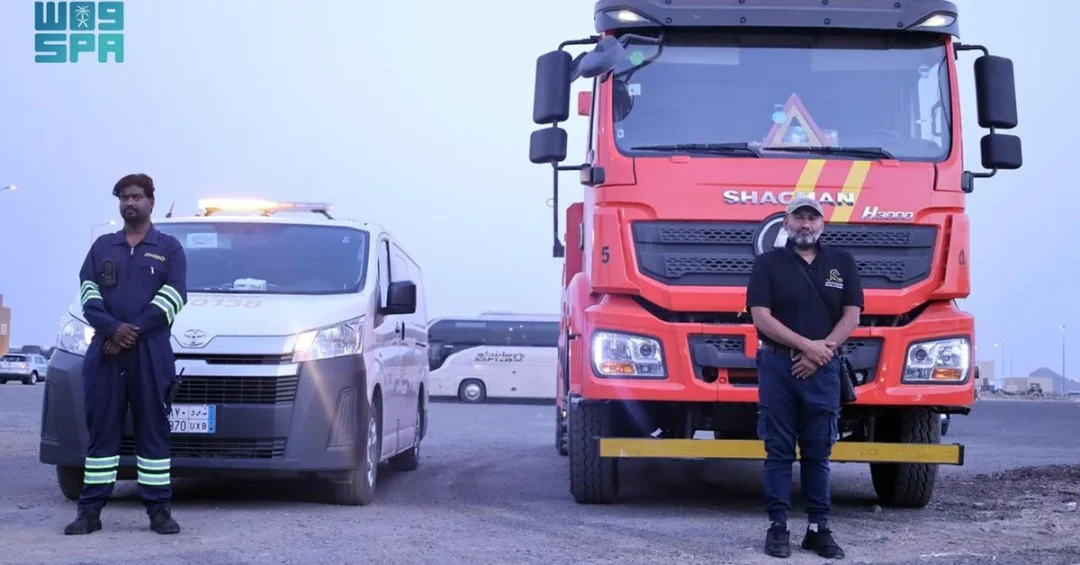
Saudi authorities in Madinah have significantly intensified efforts to manage the peak day of pilgrim transfers to Makkah, as the 5th of Dhu Al-Hijjah marks the busiest period for moving pilgrims from the holy city of Madinah to the holy sites in Makkah. The operation, which runs around the clock, involves coordinated efforts across multiple government agencies, utilizing bus transfer centers and the Mosque of Miqat Dhu Al-Hulayfah to ensure a smooth and orderly journey for the faithful.
Context and Background
The annual Hajj pilgrimage draws millions of Muslims from around the world to the Kingdom of Saudi Arabia. Madinah, the second holiest city in Islam, serves as a key starting point for many pilgrims who visit the Prophet’s Mosque before proceeding to Makkah for the Hajj rituals. The 5th of Dhu Al-Hijjah is identified as the peak day for these transfers, requiring meticulous planning and execution by Saudi authorities. The government agencies involved include the Ministry of Hajj and Umrah, the General Syndicate of Cars, security forces, health services, and local authorities in Madinah, all working under the guidance of the Saudi leadership to facilitate the pilgrimage experience.
Key Details
Mazen Tharwat, Director of the General Syndicate of Cars in Madinah, told the Saudi Press Agency that the syndicate has mobilized all cadres and vehicles to prepare buses for transporting pilgrims to the holy sites. He emphasized that field teams and mobile maintenance workshops are stationed along the Hijra Road connecting Madinah and Makkah, with support centers monitoring the flow of pilgrim buses. More than 1,700 buses have been readied for departure from Madinah to Makkah, each inspected by a specialized technical team to ensure comfort and safety. The transportation process is supported by security and health services, as well as bus guidance, to maintain organization and efficiency.
Implications and Impact
The successful transfer of pilgrims from Madinah to Makkah is critical to the overall Hajj experience. It reflects the Kingdom’s commitment to providing world-class services and infrastructure for the annual pilgrimage. The coordination among various agencies demonstrates Saudi Arabia’s capability to manage large-scale logistical operations, ensuring the safety and well-being of millions. This effort also contributes to the local economy and showcases the Kingdom’s advanced transportation and crowd management systems. Furthermore, it reinforces Saudi Arabia’s role as the custodian of the Two Holy Mosques and its dedication to serving pilgrims.
Vision 2030 Alignment
This initiative aligns with Saudi Arabia’s Vision 2030, which aims to enhance the quality of services for pilgrims and visitors to the holy sites. By investing in infrastructure, technology, and human resources, the Kingdom seeks to accommodate a growing number of pilgrims while ensuring their comfort and safety. The seamless transfer of pilgrims from Madinah to Makkah is a testament to the Vision’s objectives of improving the Hajj and Umrah experience, boosting the tourism sector, and demonstrating Saudi Arabia’s leadership in hosting one of the world’s largest religious gatherings.
20 Questions
Q1. What is the peak day for pilgrim transfers from Madinah to Makkah?
A1. The 5th of Dhu Al-Hijjah is the peak day for transferring pilgrims from Madinah to Makkah, according to official Saudi sources. This day sees the highest volume of pilgrim movement as they prepare for Hajj rituals.
Q2. How many buses are ready to transport pilgrims?
A2. More than 1,700 buses are ready to leave Madinah for Makkah. Each bus has been inspected by a specialized technical team to ensure a comfortable and safe journey for all pilgrims.
Q3. Who is Mazen Tharwat?
A3. Mazen Tharwat is the Director of the General Syndicate of Cars in Madinah. He oversees the mobilization of vehicles and coordination of pilgrim transportation efforts.
Q4. What is the Hijra Road?
A4. The Hijra Road is the main highway linking Madinah and Makkah. It is the route used for transporting pilgrims, with support centers and field teams stationed along it to monitor bus movement.
Q5. What support services are provided along the route?
A5. Security and health services, bus guidance, field teams, and mobile maintenance workshops are provided along the Hijra Road to ensure the safety and well-being of pilgrims during their journey.
Q6. How are pilgrims transported from Madinah to Makkah?
A6. Pilgrims are transported via buses through bus transfer centers and the Mosque of Miqat Dhu Al-Hulayfah. The process operates round the clock, coordinated by multiple government agencies.
Q7. What is the Mosque of Miqat Dhu Al-Hulayfah?
A7. The Mosque of Miqat Dhu Al-Hulayfah is a significant site where pilgrims enter the state of Ihram before proceeding to Makkah. It serves as a key departure point for buses.
Q8. Which agencies are involved in the transfer operation?
A8. The operation involves the Ministry of Hajj and Umrah, the General Syndicate of Cars, security forces, health services, and local authorities in Madinah, all working together under Saudi leadership.
Q9. Why is coordination important for this operation?
A9. Coordination ensures the smooth, safe, and organized movement of thousands of pilgrims. It prevents congestion and allows for efficient management of resources and time during the peak Hajj period.
Q10. How are buses inspected?
A10. A specialized technical team inspects each bus to ensure they are in optimal condition. This is part of efforts to provide a comfortable and reliable journey for all pilgrims.
Q11. What is the role of the General Syndicate of Cars?
A11. The General Syndicate of Cars mobilizes all cadres and vehicles, prepares buses, and sets up field teams and maintenance workshops. It ensures the fleet is ready for the peak transfer day.
Q12. How does this effort align with Vision 2030?
A12. Vision 2030 aims to enhance services for pilgrims and visitors. This operation reflects the Kingdom’s commitment to improving infrastructure, technology, and human resources to accommodate more pilgrims comfortably.
Q13. What is the significance of Madinah in Hajj?
A13. Madinah is the second holiest city in Islam and a key starting point for many pilgrims. Visiting the Prophet’s Mosque before Hajj is a common practice, making Madinah a vital hub.
Q14. How long does the transfer take?
A14. The transfer operates round the clock on the peak day, with buses departing continuously. The journey from Madinah to Makkah typically takes several hours, depending on traffic and conditions.
Q15. Are there health services available for pilgrims?
A15. Yes, health services are provided along the route and at transfer centers. Medical teams are on standby to address any health issues and ensure the well-being of pilgrims.
Q16. What is the capacity of each bus?
A16. Buses are designed to carry a specific number of pilgrims comfortably. While exact capacity varies, they are equipped to ensure a safe and pleasant journey for all passengers.
Q17. How many pilgrims are expected to make this journey?
A17. Millions of pilgrims from around the world perform Hajj annually. On the peak day, a significant portion of them travel from Madinah to Makkah, requiring extensive logistical support.
Q18. What security measures are in place?
A18. Security forces are deployed along the route and at transfer points to maintain order and safety. Their presence ensures a secure environment for pilgrims throughout the journey.
Q19. How does Saudi Arabia benefit from this operation?
A19. The operation showcases Saudi Arabia’s logistical capabilities and commitment to serving pilgrims. It enhances the Kingdom’s reputation, supports the local economy, and reinforces its role as custodian of the holy sites.
Q20. What is the ultimate goal of these efforts?
A20. The ultimate goal is to ensure that pilgrims can perform their religious duties with ease, safety, and comfort. It reflects Saudi Arabia’s dedication to providing the best possible experience for all Hajj attendees.
Reader Feedback
We value your thoughts. Please share your feedback on this article.
Your feedback helps us improve our coverage.