


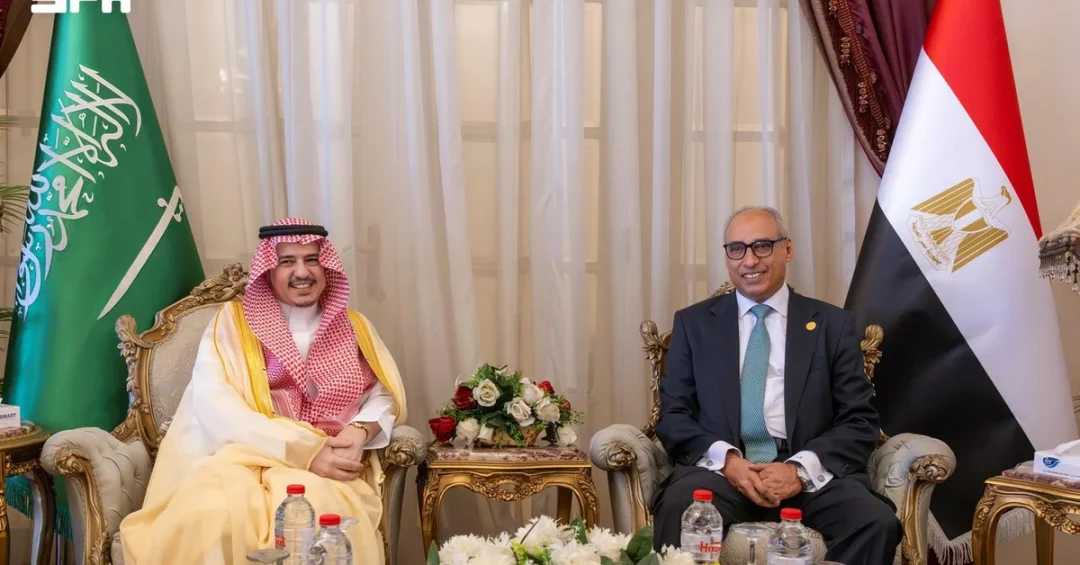
Saudi Arabia, represented by the Board of Grievances, officially joined the Arab Union of Administrative Judiciary as its 16th member on Sunday, October 18, 2026, during a signing ceremony held at the historic headquarters of the Egyptian State Council in Cairo. The accession document was signed by Chairman of the Board of Grievances and Chairman of the Administrative Judicial Council Ali Alohaydib and President of the Arab Union of Administrative Judiciary and Chairman of the Egyptian State Council Mahmoud Abu El-Dahab, according to the Saudi Press Agency. The ceremony was attended by a high-level delegation of Saudi judges and officials, Deputy Ambassador of Saudi Arabia to Egypt Khalid Al-Shammari, and senior officials from the Egyptian State Council.
Have you ever considered how administrative courts shape the daily lives of citizens and businesses across the Arab world? This agreement marks a significant step in regional judicial cooperation, bringing together specialized administrative justice bodies from across the Arab region under a shared framework of knowledge exchange and institutional development. The move reflects Saudi Arabia’s commitment to strengthening its administrative judiciary and sharing its pioneering experience in judicial modernization, digital transformation, and artificial intelligence with Arab partners, while also benefiting from the expertise of other member states.
Context and Background
What does it take to build a judicial system that earns regional and international respect? The Board of Grievances, Saudi Arabia’s specialized administrative judiciary, has spent years developing a reputation for institutional excellence, digital innovation, and procedural efficiency. Its accession to the Arab Union of Administrative Judiciary builds on this strong standing and represents a natural extension of its ongoing efforts to deepen Arab cooperation in the legal and judicial fields. The union, before Saudi Arabia’s membership, comprised 15 Arab judicial bodies specializing in administrative justice, making the Kingdom’s entry a notable expansion of the organization’s reach and influence.
The signing ceremony took place at the Egyptian State Council’s historic headquarters at Princess Fawkia Palace, where Chairman Abu El-Dahab accompanied Chairman Alohaydib on a tour of the premises. The two officials also exchanged commemorative shields to mark the occasion, underscoring the symbolic and practical importance of the agreement. The event was attended by a high-level Saudi delegation and senior Egyptian officials, reflecting the mutual commitment of both nations to advancing judicial cooperation and administrative justice across the Arab world.
Saudi Arabia’s accession to the union comes at a time when regional judicial bodies are increasingly focused on modernization, digital transformation, and the adoption of advanced technologies to improve service delivery and streamline procedures. The Board of Grievances has been at the forefront of these efforts, leveraging artificial intelligence and digital tools to enhance judicial efficiency and accessibility. Its membership in the union will allow it to share these leading practices with other Arab administrative judicial bodies while also learning from their experiences.
Key Details of the Accession
What does this accession mean in practical terms for the Board of Grievances and its regional partners? Chairman Alohaydib said Saudi Arabia’s accession builds on the strong regional and international standing of the Saudi administrative judiciary and its ongoing judicial, institutional, and digital development. He noted that the move would help share the Board of Grievances’ pioneering experience with the Arab world and expand opportunities for exchanging expertise, knowledge, and judicial scholarship among Arab bodies specializing in administrative justice. The accession document reflects the Board of Grievances’ commitment to expanding judicial partnerships, sharing knowledge and leading practices, and showcasing Saudi Arabia’s experience in institutional and digital development.
Alohaydib added that the Board of Grievances’ membership would strengthen the presence of the Saudi administrative judiciary at Arab and international forums. It would also raise awareness of its experience in institutional development, digital transformation, the use of artificial intelligence, and the streamlining of judicial procedures. Saudi Arabia’s accession will provide broader opportunities for communication among Arab administrative judicial bodies and facilitate the exchange of expertise and best practices to improve judicial work and strengthen cooperation among member institutions.
The signing ceremony was attended by a high-level delegation of judges and Saudi officials, as well as Deputy Ambassador of Saudi Arabia to Egypt Khalid Al-Shammari and senior officials from the Egyptian State Council. The presence of such a distinguished group underscores the importance both countries place on judicial diplomacy and the strengthening of bilateral and regional ties. Earlier in the day, Chairman Abu El-Dahab accompanied Chairman Alohaydib on a tour of the Egyptian State Council’s historic headquarters at Princess Fawkia Palace, where the two officials exchanged commemorative shields to mark the occasion.
International and Regional Impact
How might this development influence judicial cooperation beyond the Arab region? Saudi Arabia’s accession to the Arab Union of Administrative Judiciary represents a significant step in regional integration, creating lasting channels of cooperation among member institutions. By joining the union, the Kingdom broadens partnership networks and positions its administrative judiciary as a key player in shaping the future of administrative justice across the Arab world. The move also enhances the union’s collective capacity to address common challenges, share innovative solutions, and promote the rule of law in administrative matters.
The accession is expected to facilitate greater communication and collaboration among Arab administrative judicial bodies, enabling them to exchange expertise and best practices more effectively. This, in turn, can lead to improved judicial work, more efficient procedures, and better outcomes for citizens and businesses who rely on administrative courts to resolve disputes with government entities. Saudi Arabia’s experience in digital transformation and artificial intelligence is particularly relevant, as many Arab countries are seeking to modernize their judicial systems and enhance service delivery.
On the international stage, Saudi Arabia’s active participation in the union will further raise the profile of its administrative judiciary and provide opportunities for engagement with global judicial organizations. The Board of Grievances’ membership will strengthen the presence of the Saudi administrative judiciary at Arab and international forums, allowing it to contribute to discussions on best practices, legal reform, and the use of technology in justice. This aligns with the Kingdom’s broader efforts to enhance its global standing and promote international cooperation in various fields.
Economic and Strategic Significance
Why does judicial cooperation matter for economic growth and investment? A robust and efficient administrative judiciary is essential for creating a predictable and attractive business environment. Investors and companies rely on administrative courts to resolve disputes fairly and promptly, and a strong administrative justice system can enhance confidence in the rule of law. By sharing its expertise and learning from other Arab jurisdictions, Saudi Arabia can continue to improve its own administrative judiciary, which in turn supports economic diversification and private sector growth under Vision 2030.
The accession also has strategic implications for Saudi Arabia’s regional leadership. By joining the Arab Union of Administrative Judiciary, the Kingdom reinforces its commitment to Arab solidarity and cooperation, and positions itself as a leader in judicial modernization. This is consistent with Saudi Arabia’s broader foreign policy objectives, which emphasize regional stability, economic integration, and the promotion of shared Arab interests. The move also strengthens bilateral ties with Egypt, a key regional partner, and underscores the importance of judicial diplomacy in fostering closer relations.
Furthermore, the exchange of expertise and best practices among member institutions can lead to more efficient and effective administrative justice systems across the Arab world. This can have positive spillover effects for economic development, as businesses and individuals benefit from faster, fairer, and more transparent resolution of administrative disputes. Saudi Arabia’s leadership in this area, particularly its use of artificial intelligence and digital tools, can serve as a model for other countries seeking to modernize their judicial systems.
Vision 2030 Alignment
How does this accession support Saudi Arabia’s long-term vision for the future? The Board of Grievances’ participation in the Arab Union of Administrative Judiciary aligns with the objectives of Saudi Vision 2030, which seeks to enhance government effectiveness, promote the rule of law, and foster international cooperation. By sharing its pioneering experience in institutional and digital development, the Kingdom contributes to the advancement of administrative justice regionally while also benefiting from the knowledge and expertise of other member states. This reflects the Vision’s emphasis on knowledge exchange, capacity building, and the pursuit of excellence in public service.
Chairman Alohaydib expressed his gratitude to Custodian of the Two Holy Mosques King Salman bin Abdulaziz Al Saud and His Royal Highness Prince Mohammed bin Salman bin Abdulaziz Al Saud, Crown Prince and Prime Minister, for their continued support and attention to the Board of Grievances. He said the leadership’s backing underpins the Board of Grievances’ achievements and advances, as well as the Saudi administrative judiciary’s distinguished regional and international standing. This support has been instrumental in enabling the Board of Grievances to pursue its aspirations for leadership and greater impact, both domestically and internationally.
As Saudi Arabia continues its journey toward Vision 2030, the Board of Grievances’ role in promoting judicial excellence and regional cooperation will only grow. The accession to the Arab Union of Administrative Judiciary marks another step in the Board of Grievances’ efforts to deepen Arab cooperation and strengthen the Saudi administrative judiciary’s contribution to knowledge and judicial development. It also reinforces the Kingdom’s position as a leader in the Arab world and a key player in shaping the future of administrative justice. Through such initiatives, Saudi Arabia demonstrates its commitment to building a prosperous, knowledge-based economy and a just, efficient legal system that serves the needs of its people and partners.
20 Questions
Q1. What is the Arab Union of Administrative Judiciary?
A1. The Arab Union of Administrative Judiciary is a regional organization comprising Arab judicial bodies that specialize in administrative justice. It promotes cooperation, knowledge exchange, and best practices among member institutions to enhance administrative judicial systems across the Arab world.
Q2. When and where did Saudi Arabia sign the accession document?
A2. Saudi Arabia signed the accession document on Sunday, October 18, 2026, at the headquarters of the Egyptian State Council in Cairo, Egypt, during a ceremony attended by senior Saudi and Egyptian officials.
Q3. Who signed the accession document on behalf of Saudi Arabia?
A3. Chairman of the Board of Grievances and Chairman of the Administrative Judicial Council Ali Alohaydib signed the accession document on behalf of Saudi Arabia.
Q4. Who signed on behalf of the Arab Union of Administrative Judiciary?
A4. President of the Arab Union of Administrative Judiciary and Chairman of the Egyptian State Council Mahmoud Abu El-Dahab signed on behalf of the union.
Q5. How many members did the union have before Saudi Arabia joined?
A5. Before Saudi Arabia joined, the Arab Union of Administrative Judiciary comprised 15 Arab judicial bodies specializing in administrative justice. Saudi Arabia became the 16th member.
Q6. What did Chairman Alohaydib say about the significance of the accession?
A6. Alohaydib said the accession builds on the strong regional and international standing of the Saudi administrative judiciary and would help share the Board of Grievances’ pioneering experience with the Arab world.
Q7. What benefits will Saudi Arabia gain from joining the union?
A7. Saudi Arabia will gain broader opportunities for communication among Arab administrative judicial bodies, exchange of expertise and best practices, and enhanced presence at Arab and international forums.
Q8. What benefits will the union gain from Saudi Arabia’s membership?
A8. The union will benefit from Saudi Arabia’s experience in institutional development, digital transformation, artificial intelligence, and streamlining judicial procedures, which can be shared with other member states.
Q9. What did Chairman Alohaydib say about the Board of Grievances’ commitment?
A9. He said the accession document reflects the Board of Grievances’ commitment to expanding judicial partnerships, sharing knowledge and leading practices, and showcasing Saudi Arabia’s experience in institutional and digital development.
Q10. Who attended the signing ceremony?
A10. The ceremony was attended by a high-level delegation of judges and Saudi officials, Deputy Ambassador of Saudi Arabia to Egypt Khalid Al-Shammari, and senior officials from the Egyptian State Council.
Q11. What did Chairman Alohaydib and Chairman Abu El-Dahab do before the signing?
A11. Chairman Abu El-Dahab accompanied Chairman Alohaydib on a tour of the Egyptian State Council’s historic headquarters at Princess Fawkia Palace, and the two exchanged commemorative shields.
Q12. How does the accession align with Saudi Vision 2030?
A12. It aligns with Vision 2030 by enhancing government effectiveness, promoting the rule of law, fostering international cooperation, and supporting knowledge exchange and capacity building in the judicial sector.
Q13. What did Chairman Alohaydib say about Saudi leadership’s support?
A13. He expressed gratitude to King Salman bin Abdulaziz Al Saud and Crown Prince Mohammed bin Salman for their continued support, which underpins the Board of Grievances’ achievements and the Saudi administrative judiciary’s distinguished standing.
Q14. What is the Board of Grievances?
A14. The Board of Grievances is Saudi Arabia’s specialized administrative judiciary, responsible for resolving disputes involving government entities and promoting administrative justice in the Kingdom.
Q15. How will the accession affect judicial cooperation in the Arab world?
A15. It will facilitate greater communication and collaboration among Arab administrative judicial bodies, enabling them to exchange expertise and best practices to improve judicial work and strengthen cooperation.
Q16. What role does artificial intelligence play in the Board of Grievances’ work?
A16. The Board of Grievances uses artificial intelligence to streamline judicial procedures, enhance efficiency, and improve service delivery, and it will share this experience with other Arab judicial bodies.
Q17. What is the significance of the exchange of commemorative shields?
A17. The exchange of commemorative shields symbolizes the strong partnership and mutual respect between Saudi Arabia and Egypt, and marks the occasion of Saudi Arabia’s accession to the union.
Q18. How does this accession strengthen Saudi-Egyptian relations?
A18. It reinforces judicial diplomacy and bilateral cooperation between Saudi Arabia and Egypt, highlighting their shared commitment to advancing administrative justice and regional integration.
Q19. What are the next steps for Saudi Arabia after joining the union?
A19. Saudi Arabia will participate in union activities, share its expertise, and engage in knowledge exchange with other member states to improve administrative justice across the Arab world.
Q20. What does this accession mean for the future of administrative justice in the Arab world?
A20. It represents a step forward in regional integration and modernization, as member states collaborate to enhance judicial efficiency, adopt new technologies, and uphold the rule of law in administrative matters.
Reader Feedback
We value your thoughts. Please share your feedback on this article.
Your feedback helps us improve our coverage.