


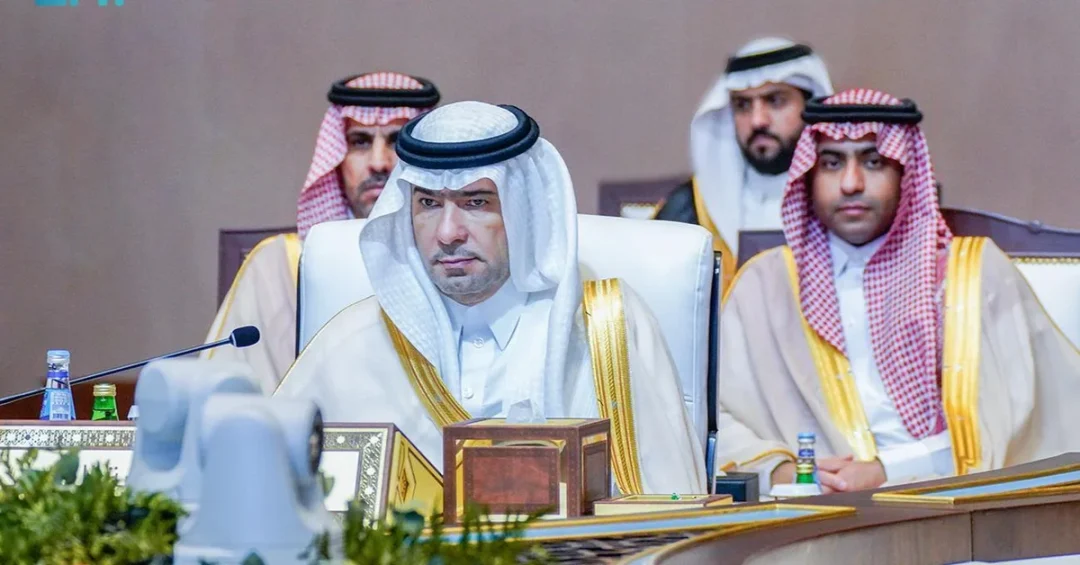
Doha, May 16, 2024 – Minister of Municipal and Rural Affairs and Housing Majid bin Abdullah Al-Hogail led the Kingdom of Saudi Arabia’s delegation at the 22nd meeting of the committee of ministers in charge of housing affairs in the Gulf Cooperation Council (GCC) countries, held today in Doha. The meeting brought together housing ministers from GCC member states to discuss joint issues and advance regional cooperation in the housing sector.
Context and Background
The GCC Housing Ministers’ Committee convenes annually to harmonize housing policies and strategies across the Gulf region. This year’s meeting focused on strengthening collaboration among member states, with a shared commitment to improving housing availability, quality, and affordability. Saudi Arabia’s active participation underscores its leadership role in regional initiatives and its dedication to achieving sustainable urban development, a core pillar of Vision 2030.
Key Details
During the meeting, ministers reviewed and approved several key documents, including the joint housing action plan for 2024. This plan encompasses decisions, guidelines, and frameworks related to housing, notably the approval of the real estate incentive guide, designed to connect landowners with developers and financial entities, thereby catalyzing investment and construction. Additionally, the meeting endorsed the urban resilience assessment guide for the housing sector, aimed at enhancing the capacity of Gulf cities to withstand and adapt to various challenges. The ministers also approved the economic framework for partnership with private institutions, a strategic move to stimulate investment in the real estate sector, fostering public-private collaboration.
The meeting announced the launch of the sixth GCC Housing Award, titled “Smart digital applications and technologies in housing projects and programs.” The award’s financial value has been increased to SAR375,000 from SAR100,000, reflecting a commitment to encouraging innovation and digital transformation in housing. The ministers stressed the importance of promoting the new edition to expand participation among ministries and institutions concerned with housing affairs in GCC countries.
Implications and Impact
The outcomes of this meeting are poised to have significant implications for the GCC region. By adopting the real estate incentive guide and the economic framework for private partnership, member states aim to unlock new opportunities for investment and development, ultimately boosting the supply of housing. The focus on urban resilience is particularly timely, as Gulf cities face rapid urbanization and climate-related challenges. The enhanced GCC Housing Award is set to spur the adoption of smart technologies, positioning the region as a global leader in digital housing solutions.
Vision 2030 Alignment
Saudi Arabia’s leadership in this meeting aligns seamlessly with the ambitious goals of Vision 2030, which prioritizes housing as a key enabler of societal well-being and economic diversification. By actively participating in GCC-wide initiatives, the Kingdom strengthens its regional integraty and contributes to the collective prosperity of the Gulf. The decisions taken in Doha will support Saudi Arabia’s ongoing efforts to increase homeownership, enhance the quality of life, and foster a thriving private sector, all of which are central to the realization of Vision 2030.
20 Questions
Q1. Who led Saudi Arabia’s delegation at the 22nd GCC Housing Ministers’ meeting?
A1. Minister of Municipal and Rural Affairs and Housing Majid bin Abdullah Al-Hogail headed Saudi Arabia’s delegation at the meeting in Doha on May 16, 2024.
Q2. What was the main purpose of the 22nd meeting?
A2. The meeting aimed to discuss joint issues in housing, approve action plans, and enhance cooperation among GCC countries in the housing sector.
Q3. Which document was approved to connect landowners with developers?
A3. The real estate incentive guide was approved, which aims to link landowners with developers and financial entities to boost housing construction.
Q4. What is the title of the sixth GCC Housing Award?
A4. The award is titled “Smart digital applications and technologies in housing projects and programs,” focusing on innovation.
Q5. What is the new financial value of the GCC Housing Award?
A5. The award’s value has been increased to SAR375,000, up from SAR100,000, to encourage broader participation.
Q6. What did the urban resilience assessment guide entail?
A6. The guide aims to assess and improve the resilience of Gulf housing sectors against challenges, such as natural disasters and climate change.
Q7. How does Saudi Arabia benefit from this meeting?
A7. Saudi Arabia benefits through regional cooperation, sharing best practices, and advancing its Vision 2030 housing goals.
Q8. What is the economic framework for private institutions about?
A8. It is a framework to stimulate investment in real estate by fostering partnerships between governments and private sector entities.
Q9. When was the meeting held?
A9. The meeting took place on May 16, 2024, in Doha, Qatar.
Q10. Which countries participate in the GCC housing committee?
A10. The committee includes housing ministers from all six GCC nations: Saudi Arabia, UAE, Qatar, Bahrain, Kuwait, and Oman.
Q11. What is the significance of the joint housing action plan?
A11. The plan provides a roadmap for collaborative projects, policies, and investments in housing across GCC countries.
Q12. How does the real estate incentive guide benefit developers?
A12. Developers gain easier access to land and financing, reducing barriers to construction and project development.
Q13. What role does the private sector play in this framework?
A13. The private sector is encouraged to invest in real estate projects, contributing to increased housing supply and economic growth.
Q14. Why is the award’s value increased?
A14. The increase aims to attract more innovative projects and highlight advanced technologies in the housing field.
Q15. What are smart digital applications in housing?
A15. These include AI, IoT, and digital platforms that optimize housing management, construction, and sustainability.
Q16. How does this meeting align with Vision 2030?
A16. It supports Vision 2030 by promoting affordable housing, private sector expansion, and smart city solutions.
Q17. What is the role of Minister Al-Hogail in Saudi housing?
A17. As minister, he oversees municipal services and housing policies, driving strategic initiatives like Sakani.
Q18. What are the expected outcomes of the action plan?
A18. Expected outcomes include improved housing quality, increased investment, and enhanced regional integration.
Q19. How will the award be promoted?
A19. The meeting stressed promoting the award to expand participation among housing ministries and institutions.
Q20. What is the long-term goal of GCC housing cooperation?
A20. The goal is to ensure sustainable, resilient, and affordable housing for all Gulf citizens, fostering stability and growth.
Reader Feedback
We value your thoughts. Please share your feedback on this article.
Your feedback helps us improve our coverage.