


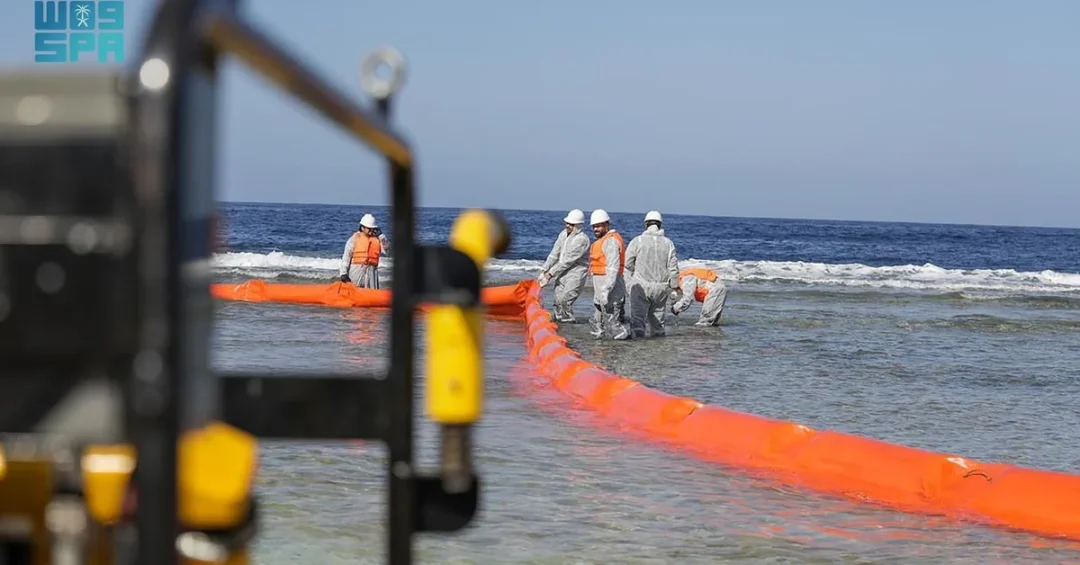
Saudi Arabia has launched a large-scale training exercise, codenamed ‘Response 14’, along the shores of the Tabuk Region to enhance national readiness for marine oil spills and other environmental hazards. The two-day drill, which began yesterday, is supervised by the National Center for Environmental Compliance and involves 39 public and private entities, according to the Saudi Press Agency.
Context and Background
The exercise is part of an ongoing series aimed at bolstering the Kingdom’s preparedness for environmental emergencies. Saad Al-Matrafi, spokesperson for the center, highlighted that the program has “demonstrably enhanced participants’ preparedness,” noting a clear improvement with each iteration. “This goes beyond just technology – it is about mobilizing national talent from across environmental, security, and industrial sectors, along with major national companies,” he added.
Key Details
The multi-phased exercise employs cutting-edge technology. The first stage utilized satellites and advanced simulations, followed by a simulated pollution scenario in territorial waters impacting coastlines and marine life. The final phase assessed participating entities’ ability to contain the simulated spill within record time, thereby minimizing environmental and economic damage. The drill successfully simulated the containment of a 75,000-barrel spill within 50 minutes, deploying a dedicated fleet of naval units, various mission aircraft (including aerial surveyors and dispersant sprayers), and specialized equipment like skimmers for efficient oil collection.
Implications and Impact
These exercises underscore Saudi Arabia’s commitment to protecting its marine environment and vital waterways from potential threats, ensuring long-term sustainability. The involvement of diverse sectors highlights the collaborative approach to environmental stewardship, which is crucial for the Kingdom’s coastal regions and their economic significance, including tourism and fisheries.
Vision 2030 Alignment
This initiative aligns with Saudi Arabia’s Vision 2030, which emphasizes environmental sustainability and the protection of natural resources. By enhancing national capabilities to respond to environmental emergencies, the Kingdom is reinforcing its role as a regional leader in environmental protection, contributing to a sustainable future and supporting the goals of the Vision 2030 agenda.
20 Questions
Q1. What is the name of the exercise conducted by Saudi Arabia?
A1. The exercise is named ‘Response 14’. It is a two-day training drill focused on responding to marine oil spills and other environmental hazards, as announced by the Saudi Press Agency.
Q2. Where did the exercise take place?
A2. The exercise took place along the shores of the Tabuk Region in Saudi Arabia, as part of the country’s efforts to safeguard its vital coastlines.
Q3. Who supervised the exercise?
A3. The exercise was supervised by the National Center for Environmental Compliance, which is responsible for environmental oversight in the Kingdom.
Q4. How many entities participated in the exercise?
A4. A total of 39 public and private entities participated in the exercise, showcasing a collaborative approach to environmental emergency preparedness.
Q5. What is the purpose of the exercise?
A5. The purpose is to bolster national readiness for responding to marine oil spills and other environmental hazards, ensuring effective and rapid containment to minimize ecological damage.
Q6. Who is the spokesperson for the National Center for Environmental Compliance?
A6. The spokesperson is Saad Al-Matrafi, who emphasized the enhanced preparedness of participants due to the ongoing series of exercises.
Q7. What did Al-Matrafi say about the program?
A7. Al-Matrafi noted that the program has “demonstrably enhanced participants’ preparedness” and that there is clear improvement with each exercise.
Q8. What technology was used in the first stage?
A8. The first stage utilized satellites and advanced simulations to prepare for a realistic pollution scenario.
Q9. What happened in the second stage of the exercise?
A9. A simulated pollution scenario unfolded in territorial waters, impacting coasts and marine life, testing the response capabilities.
Q10. What was the focus of the final phase?
A10. The final phase assessed the participating entities’ ability to contain the simulated spill within a record time, thus minimizing environmental and economic damage.
Q11. What was the simulated spill size?
A11. The simulated spill was 75,000 barrels, which was contained within 50 minutes during the exercise.
Q12. What equipment was deployed?
A12. The exercise deployed naval units, mission aircraft including aerial surveyors and dispersant sprayers, and skimmers for oil collection.
Q13. How long did it take to contain the simulated spill?
A13. The simulation was successfully contained within 50 minutes, demonstrating the efficiency of the response plan.
Q14. What is the significance of these exercises?
A14. These exercises highlight Saudi Arabia’s commitment to protecting its marine environment, ensuring long-term sustainability of vital waterways.
Q15. How does this exercise support Vision 2030?
A15. It aligns with Vision 2030’s emphasis on environmental sustainability and protection of natural resources, reinforcing the Kingdom’s role as a regional leader.
Q16. What sectors are involved in the exercise?
A16. Participants come from environmental, security, and industrial sectors, along with major national companies, as stated by Al-Matrafi.
Q17. What is the role of the National Center for Environmental Compliance?
A17. The center supervises the exercise and is responsible for coordinating environmental emergency responses and compliance across the Kingdom.
Q18. What was the outcome of the exercise according to Al-Matrafi?
A18. Al-Matrafi said the exercise evaluated the ability to control the situation, manage waste disposal, and conduct rehabilitation and damage assessment.
Q19. How does the exercise address waste disposal?
A19. The exercise evaluated waste disposal management as part of the response, ensuring proper handling of oil-contaminated materials.
Q20. What is the message conveyed by these drills?
A20. The drills underscore the country’s unwavering commitment to protecting its marine environment, ensuring long-term sustainability and readiness to respond to any environmental threats.
Reader Feedback
We value your thoughts. Please share your feedback on this article.
Your feedback helps us improve our coverage.