


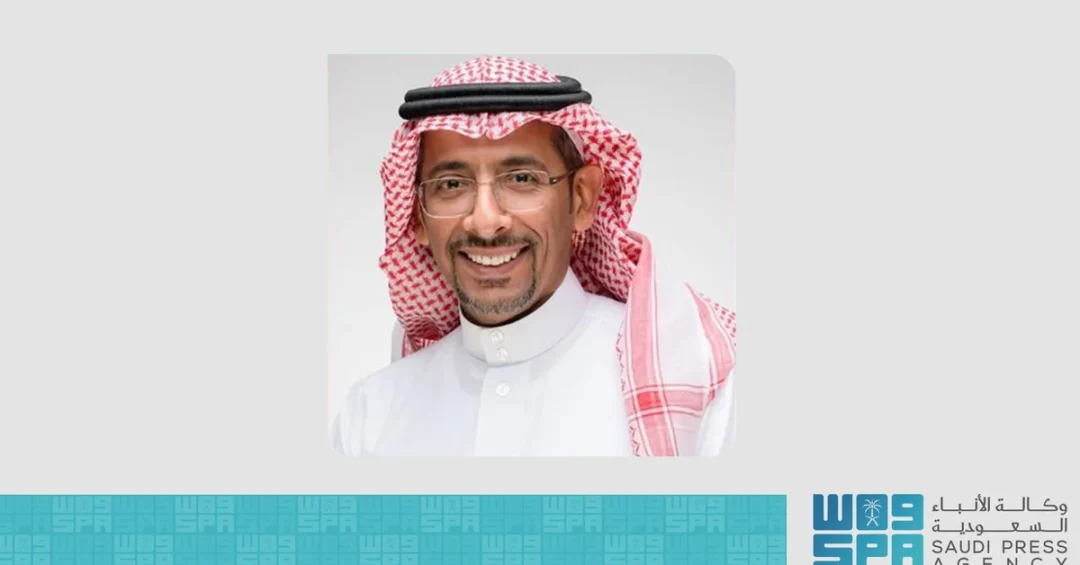
Saudi Arabia and Morocco together account for more than 40% of global phosphate fertilizer production, Minister of Industry and Mineral Resources Bandar bin Ibrahim Alkhorayef said during an official visit to Casablanca, reaffirming the Kingdom’s commitment to making mining the third pillar of its national industry under Vision 2030. Speaking at a roundtable meeting with investors and business leaders, Alkhorayef highlighted the strong historical and strategic ties between the two nations and expressed Saudi Arabia’s eagerness to learn from Morocco’s leadership in the mining sector, according to the Saudi Press Agency (SPA).
Context and Background
The visit reflects Saudi Arabia’s broader push to diversify its economy away from oil dependence, a central objective of Vision 2030, the national transformation plan championed by Crown Prince Mohammed bin Salman. The Ministry of Industry and Mineral Resources, established in 2019, has been tasked with unlocking the Kingdom’s estimated mineral wealth, valued at trillions of dollars, and positioning mining alongside oil and petrochemicals as a cornerstone of industrial growth.
Morocco, home to the world’s largest phosphate reserves, has developed advanced expertise in phosphate extraction and fertilizer production. Saudi Arabia possesses significant phosphate resources of its own, particularly in the northern regions, and has been investing in projects such as the Waad Al-Shamal industrial city to develop its mining value chain. The convergence of these two resource-rich nations creates a natural platform for cooperation.
Key Details
During the roundtable, Alkhorayef outlined the National Industrial Strategy, which prioritizes sustainability, food security, pharmaceuticals, and defense. He noted that the strategy leverages Saudi Arabia’s competitive advantages, including its oil and natural gas resources and its strategic geographic location, which provides access to key markets in Africa and beyond. Emerging industries such as electric-vehicle batteries, renewable energy, and space-related industries are also high priorities.
The minister stressed the importance of industrial integration among Saudi Arabia, its neighbors, and Arab countries, noting that the strategy identifies multiple avenues to enhance such collaboration. He also highlighted the attractive incentives and facilities Saudi Arabia offers to investors in the industrial and mining sectors, including streamlined licensing, tax benefits, and infrastructure support.
Implications and Impact
The partnership between Saudi Arabia and Morocco in phosphate fertilizers carries significant implications for global food security. Phosphate is a critical component in agricultural fertilizers, and the two nations’ combined output of over 40% of global production gives them considerable influence over supply chains. Enhanced cooperation could stabilize prices and ensure reliable access to fertilizers for importing countries, particularly in Africa and the Middle East.
For Saudi Arabia, deeper engagement with Morocco aligns with its broader African strategy, which seeks to expand trade and investment ties across the continent. The Kingdom has already made substantial investments in African agriculture, energy, and infrastructure, and mining cooperation adds a new dimension to this economic diplomacy. The visit also reinforces Saudi Arabia’s role as a bridge between the Arab world and Africa.
Vision 2030 Alignment
This development directly supports Vision 2030‘s goal of transforming mining into the third pillar of the Saudi industrial economy. By partnering with a global leader like Morocco, the Kingdom can accelerate technology transfer, attract foreign expertise, and build a sustainable mining ecosystem. As Saudi Arabia continues to open its doors to international investors and foster regional integration, such collaborations demonstrate the Kingdom’s commitment to economic diversification, food security, and long-term prosperity for the region and the world.
20 Questions
Q1. What did the Saudi Minister of Industry say about phosphate fertilizer production?
A1. Minister Bandar bin Ibrahim Alkhorayef stated that Saudi Arabia and Morocco together contribute to more than 40% of global phosphate fertilizer production, highlighting the potential for partnership in significant mining ventures due to their extensive mineral resources.
Q2. Where did the minister make these remarks?
A2. He made the remarks during a roundtable meeting with investors and business people in Casablanca, Morocco, as part of an official visit aimed at strengthening bilateral ties and exploring partnership opportunities in the mining sector.
Q3. What is Saudi Arabia’s Vision 2030 goal for the mining sector?
A3. Under Vision 2030, Saudi Arabia aims to transform the mining sector into the third pillar of its national industry, following oil and petrochemicals, leveraging the Kingdom’s estimated mineral wealth to diversify the economy.
Q4. Why is Morocco important for Saudi Arabia’s mining ambitions?
A4. Morocco possesses the world’s largest phosphate reserves and advanced expertise in phosphate extraction and fertilizer production. Saudi Arabia seeks to learn from Morocco’s experience and explore joint ventures in mining.
Q5. What are the key priorities of Saudi Arabia’s National Industrial Strategy?
A5. The strategy emphasizes sustainability, food security, pharmaceuticals, and defense, while also prioritizing emerging industries such as electric-vehicle batteries, renewable energy, and space-related industries, capitalizing on Saudi Arabia’s competitive advantages.
Q6. How does Saudi Arabia’s geographic location benefit its industrial strategy?
A6. Saudi Arabia’s strategic location provides access to key markets, particularly in Africa, enabling efficient trade and investment flows. This geographic advantage supports the Kingdom’s goal of becoming a global industrial hub.
Q7. What incentives does Saudi Arabia offer to industrial and mining investors?
A7. Saudi Arabia offers attractive incentives including streamlined licensing, tax benefits, and infrastructure support. These facilities are designed to attract both domestic and international investors to the industrial and mining sectors.
Q8. What is the significance of Saudi-Moroccan cooperation in phosphate fertilizers for global food security?
A8. Their combined output exceeds 40% of global production, giving them substantial influence over fertilizer supply chains. Enhanced cooperation can help stabilize prices and ensure reliable access to fertilizers, especially for African and Middle Eastern countries.
Q9. What are the main mineral resources in Saudi Arabia?
A9. Saudi Arabia possesses significant reserves of phosphate, gold, copper, zinc, and rare earth elements. The Kingdom’s mineral wealth is estimated at trillions of dollars, with phosphate being a key resource for fertilizer production.
Q10. How does this partnership align with Saudi Arabia’s African strategy?
A10. The partnership aligns with Saudi Arabia’s broader African strategy, which aims to expand trade and investment ties across the continent. It complements existing Saudi investments in African agriculture, energy, and infrastructure.
Q11. What is the Waad Al-Shamal industrial city?
A11. Waad Al-Shamal is a major industrial city in northern Saudi Arabia developed to exploit the region’s phosphate and other mineral resources. It represents a key component of the Kingdom’s mining value chain development.
Q12. How does mining fit into Saudi Arabia’s economic diversification?
A12. Mining is intended to become the third pillar of Saudi industry after oil and petrochemicals, reducing dependence on hydrocarbons. It is a central element of Vision 2030’s economic diversification goals.
Q13. What role does the Ministry of Industry and Mineral Resources play?
A13. Established in 2019, the ministry is responsible for developing and regulating Saudi Arabia’s industrial and mining sectors. It implements the National Industrial Strategy and promotes investment in these areas.
Q14. What are the emerging industries highlighted in the National Industrial Strategy?
A14. The strategy prioritizes electric-vehicle batteries, renewable energy, and space-related industries. These sectors are seen as future growth drivers that can leverage Saudi Arabia’s resources and strategic position.
Q15. How can Saudi Arabia and Morocco collaborate in mining technology?
A15. They can collaborate through joint research, technology transfer, and training programs. Morocco’s advanced phosphate processing expertise can help Saudi Arabia accelerate the development of its own mining capabilities.
Q16. What are the benefits of industrial integration among Arab countries?
A16. Industrial integration can enhance efficiency, reduce costs, and create larger markets. It fosters economic cooperation, shared prosperity, and resilience against global economic shocks among Arab nations.
Q17. How does phosphate fertilizer production contribute to food security?
A17. Phosphate fertilizers are essential for increasing agricultural yields. Reliable production and supply are critical for global food security, especially as the world’s population grows and arable land becomes scarce.
Q18. What is the significance of the Saudi minister’s visit to Morocco?
A18. The visit underscores Saudi Arabia’s commitment to strengthening bilateral ties and exploring partnership opportunities in mining. It reflects the Kingdom’s proactive approach to international cooperation under Vision 2030.
Q19. How does Saudi Arabia plan to attract foreign investment in mining?
A19. Saudi Arabia offers incentives such as tax breaks, streamlined regulations, and infrastructure support. It also promotes its strategic location and resource wealth to attract international mining companies.
Q20. What does the future hold for Saudi-Moroccan relations in the mining sector?
A20. The future looks promising, with potential for joint ventures, technology sharing, and increased trade in phosphate fertilizers. Both nations are committed to deepening cooperation for mutual benefit and regional development.
Reader Feedback
We value your thoughts. Please share your feedback on this article.
Your feedback helps us improve our coverage.