


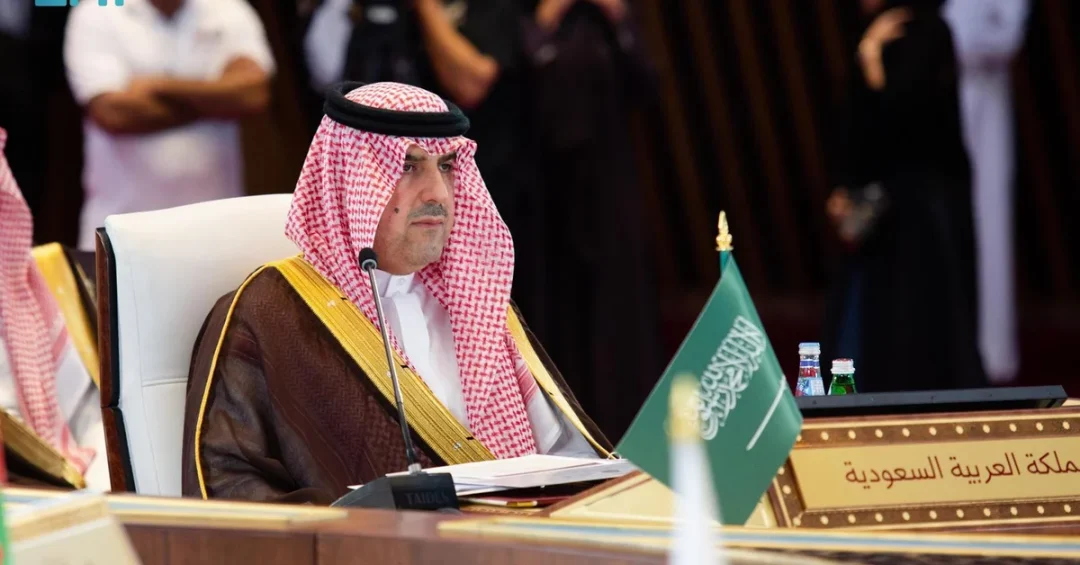
Saudi Arabia, represented by the General Court of Audit (GCA), participated in the 21st meeting of the heads of audit bureaus of the Gulf Cooperation Council (GCC) countries, held Monday in Doha, Qatar. The Saudi delegation was led by Hussam Abdulmoshen Alangari, President of the GCA, underscoring the Kingdom’s active role in regional cooperation on audit and oversight.
Context and Background
The GCC, a political and economic alliance of six Gulf nations, has long fostered collaboration among its member states in various fields. The annual meeting of audit bureau heads is a key platform for enhancing transparency, accountability, and efficiency in public financial management across the region. Saudi Arabia’s participation reflects its commitment to these principles and to the broader goals of the GCC.
The GCA, as the Kingdom’s supreme audit institution, plays a vital role in ensuring the effective use of public resources and promoting good governance. By engaging with counterparts in the GCC, the GCA contributes to the development of common standards and methodologies that benefit all member states.
Key Details
The meeting focused on strengthening cooperation among GCC audit bureaus and with international bodies such as the International Organization of Supreme Audit Institutions (INTOSAI) and the INTOSAI Development Initiative. Discussions covered collaborative working guides, including an updated financial control manual and a disaster and crisis audit guide. These tools aim to standardize practices and improve the quality of audits across the region.
Additionally, participants reviewed training programs for audit bureau staff for 2024. Notably, the GCA’s training program on the Supreme Audit Institutions Performance Measurement Framework (SAI PMF), conducted in September, was highlighted. This initiative demonstrates Saudi Arabia’s leadership in building capacity and sharing expertise within the GCC.
Implications and Impact
The outcomes of this meeting are expected to enhance the performance efficiency of audit institutions in the GCC, leading to more robust financial oversight and accountability. Improved audit practices will help member states achieve their developmental goals and ensure the integrity of public spending.
Furthermore, the collaboration strengthens the region’s collective ability to address emerging challenges, such as disaster response and crisis management, through coordinated audit efforts. It also reinforces the GCC’s position as a model for regional integration and joint action.
Vision 2030 Alignment
Saudi Arabia’s active participation in the GCC audit meeting aligns with Vision 2030, the Kingdom’s ambitious plan to diversify its economy and enhance public sector efficiency. By promoting transparency, accountability, and international cooperation, the GCA supports the vision’s objectives of good governance and sustainable development. The Kingdom’s leadership in regional audit initiatives underscores its commitment to fostering a culture of integrity and excellence, both domestically and across the Gulf.
20 Questions
Q1. What was the main event covered in the article?
A1. The article covers Saudi Arabia’s participation in the 21st meeting of the heads of audit bureaus of the Gulf Cooperation Council (GCC) countries, held in Doha, Qatar, on Monday.
Q2. Who led the Saudi delegation to the meeting?
A2. The Saudi delegation was led by Hussam Abdulmoshen Alangari, President of the General Court of Audit (GCA).
Q3. Where was the meeting held?
A3. The meeting was held in Doha, Qatar.
Q4. What is the General Court of Audit (GCA)?
A4. The GCA is Saudi Arabia’s supreme audit institution, responsible for ensuring the effective use of public resources and promoting good governance.
Q5. What was the focus of the meeting?
A5. The meeting focused on strengthening cooperation among audit bureaus in the Gulf countries and with international organizations like INTOSAI and the INTOSAI Development Initiative.
Q6. What is INTOSAI?
A6. INTOSAI is the International Organization of Supreme Audit Institutions, a global body that promotes collaboration and standards among audit institutions worldwide.
Q7. What collaborative tools were discussed?
A7. Discussions included an updated financial control manual (general guide) and a disaster and crisis audit guide.
Q8. What training programs were reviewed?
A8. The meeting reviewed training programs for audit bureau staff in GCC countries for 2024, including the GCA’s training on the Supreme Audit Institutions Performance Measurement Framework (SAI PMF).
Q9. When was the GCA’s SAI PMF training conducted?
A9. The GCA’s training program on the SAI PMF was conducted in September.
Q10. Why is this meeting important for the GCC?
A10. The meeting enhances cooperation and experience-sharing among audit entities, improving performance efficiency and supporting joint efforts among GCC nations.
Q11. How does this meeting benefit Saudi Arabia?
A11. It allows Saudi Arabia to share expertise, learn best practices, and contribute to regional standards, aligning with its Vision 2030 goals for transparency and efficiency.
Q12. What is the SAI PMF?
A12. The SAI PMF is a framework for measuring the performance of supreme audit institutions, helping them assess and improve their effectiveness.
Q13. What is the disaster and crisis audit guide?
A13. It is a guide for auditing during disasters and crises, ensuring accountability and effective use of resources in emergency situations.
Q14. How often do these GCC audit meetings occur?
A14. These meetings are held periodically, with this being the 21st meeting of the heads of audit bureaus in the GCC countries.
Q15. What role does the GCA play in Saudi Arabia?
A15. The GCA oversees public funds, ensures compliance, and promotes transparency and accountability in government operations.
Q16. What are the expected outcomes of the meeting?
A16. The meeting is expected to enhance audit practices, foster collaboration, and improve financial oversight across the GCC.
Q17. How does this meeting align with Vision 2030?
A17. It supports Vision 2030 by promoting good governance, efficiency, and international cooperation, which are key to Saudi Arabia’s sustainable development.
Q18. Which countries are part of the GCC?
A18. The GCC includes Saudi Arabia, Qatar, UAE, Kuwait, Bahrain, and Oman.
Q19. What is the significance of Saudi Arabia leading the delegation?
A19. It demonstrates Saudi Arabia’s active role and leadership in regional affairs, particularly in enhancing audit and oversight mechanisms.
Q20. What is the next step after this meeting?
A20. The participants will implement the discussed guides and training programs, continuing to collaborate on audit matters to achieve common goals.
Reader Feedback
We value your thoughts. Please share your feedback on this article.
Your feedback helps us improve our coverage.