


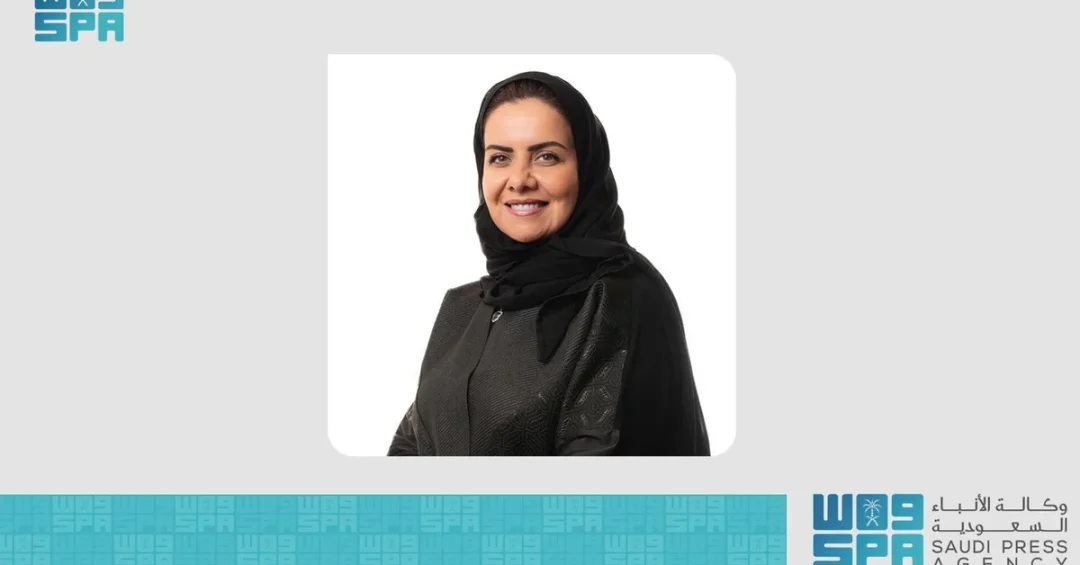
The President of the Human Rights Commission (HRC) and Chair of the Committee for Combating Trafficking in Persons, Dr. Hala bint Mazyad Al-Tuwaijri, has affirmed that preserving human dignity is Saudi Arabia’s primary motivation in the fight against human trafficking crimes. Speaking on the occasion of the World Day Against Trafficking in Persons 2024, with the theme ‘Leave No Child Behind in the Fight Against Human Trafficking,’ Dr. Al-Tuwaijri emphasized that human trafficking violates fundamental human rights and requires a unified global response. Her remarks, reported by the Saudi Press Agency (SPA), underscore the Kingdom’s commitment to combating this crime while prioritizing the protection and well-being of all individuals.
Context and Background
Human trafficking remains a pressing global issue, affecting millions of people, particularly women and children. The Kingdom of Saudi Arabia has positioned itself as a proactive actor in addressing this challenge, aligning its efforts with international standards and its own national development goals. Dr. Al-Tuwaijri’s statement highlights the Kingdom’s recognition of the severity of human trafficking and its determination to take comprehensive action. This approach builds on a series of legislative and institutional measures that demonstrate a sustained commitment to human rights protection under the leadership of Custodian of the Two Holy Mosques King Salman bin Abdulaziz Al Saud and His Royal Highness the Crown Prince.
Key Details and Legislative Progress
Dr. Al-Tuwaijri outlined the concrete steps taken by the Kingdom to combat human trafficking effectively. These include the enactment of the Anti-Human Trafficking Crimes Law, which provides a robust legal framework for prosecution and victim protection. The Kingdom has also established dedicated committees, adopted national action plans, and created a national referral mechanism for victims to ensure they receive appropriate support. Additionally, an independent prosecution office and specialized judicial departments have been set up to handle trafficking cases with the seriousness they deserve. These measures reflect a systematic approach that combines prevention, prosecution, and victim assistance.
International Cooperation and Impact
The Kingdom’s efforts extend beyond its borders through enhanced regional and international collaboration. Dr. Al-Tuwaijri noted that Saudi Arabia has strengthened partnerships with other nations and international organizations to combat human trafficking more effectively. These cooperative initiatives include sharing best practices, participating in global campaigns, and supporting capacity-building programs. As a result, the Kingdom has improved its standing in international anti-trafficking indicators, recognized for its comprehensive legal and operational measures. The theme for 2024, focusing on children, underscores the Kingdom’s dedication to protecting vulnerable groups, with targeted programs addressing the specific needs of minors at risk of exploitation.
20 Questions
Q1. What is the main motive for Saudi Arabia in combating human trafficking?
A1. Preserving human dignity is the primary motive, as emphasized by HRC President Dr. Hala Al-Tuwaijri, reflecting the Kingdom’s commitment to protecting individuals from exploitation.
Q2. Who made the statement about human trafficking on World Day Against Trafficking in Persons 2024?
A2. Dr. Hala bint Mazyad Al-Tuwaijri, President of the Human Rights Commission and Chair of the Committee for Combating Trafficking in Persons, made the statement.
Q3. What was the theme of World Day Against Trafficking in Persons 2024?
A3. The theme was ‘Leave No Child Behind in the Fight Against Human Trafficking,’ focusing on the protection of children from exploitation.
Q4. Which legislative measure has Saudi Arabia enacted to combat human trafficking?
A4. The Kingdom enacted the Anti-Human Trafficking Crimes Law, providing a legal framework for prosecution, prevention, and victim protection.
Q5. What is the role of the Committee for Combating Trafficking in Persons in Saudi Arabia?
A5. The committee coordinates national efforts, overseeing implementation of anti-trafficking laws and policies under the leadership of Dr. Hala Al-Tuwaijri.
Q6. How does Saudi Arabia support victims of human trafficking?
A6. The Kingdom has established a national referral mechanism for victims, ensuring they receive essential services such as shelter, medical care, and legal assistance.
Q7. What international recognition has Saudi Arabia received for anti-trafficking efforts?
A7. The Kingdom has improved its position in international anti-trafficking indicators due to comprehensive legal measures and enhanced cooperation.
Q8. How does Vision 2030 relate to combating human trafficking?
A8. Vision 2030 emphasizes human dignity and rights, aligning with anti-trafficking efforts to build a just society with equal opportunities for all.
Q9. What type of judicial bodies has Saudi Arabia created for trafficking cases?
A9. The Kingdom established an independent prosecution office and dedicated judicial departments to handle trafficking cases with expertise and efficiency.
Q10. Does Saudi Arabia cooperate with other countries on human trafficking?
A10. Yes, the Kingdom strengthens regional and international cooperation through partnerships, sharing best practices, and participating in global initiatives.
Q11. Why is the 2024 World Day theme focused on children?
A11. Children are among the most vulnerable to trafficking, and the theme aims to raise awareness and encourage targeted protection measures for minors.
Q12. What is the significance of Dr. Al-Tuwaijri’s role as HRC President?
A12. As HRC President, she leads the Kingdom’s human rights agenda, including efforts to prevent trafficking and protect victims within a rights-based framework.
Q13. How does Saudi Arabia raise awareness about human trafficking?
A13. The Kingdom conducts awareness campaigns, educational programs, and public events to inform communities about the dangers and prevention of trafficking.
Q14. What are the key elements of Saudi Arabia’s national action plan on trafficking?
A14. The plan includes prevention strategies, victim protection services, prosecution of offenders, and enhanced international cooperation.
Q15. How does the Kingdom involve the community in fighting trafficking?
A15. Society is encouraged to participate in reporting suspicious activities and supporting victims, reinforcing collective responsibility against trafficking.
Q16. What is the role of SPA in reporting anti-trafficking efforts?
A16. SPA, as the official news agency, disseminates information about the Kingdom’s initiatives and statements, ensuring transparency and public awareness.
Q17. Are there specialized services for child victims of trafficking in Saudi Arabia?
A17. Yes, the Kingdom has programs tailored for children, including protection services and rehabilitation, aligned with international child welfare standards.
Q18. How does the Anti-Human Trafficking Crimes Law protect victims?
A18. The law prohibits trafficking, imposes strict penalties, and ensures victims receive legal, social, and medical support without discrimination.
Q19. What is the connection between human rights and Vision 2030?
A19. Vision 2030 aims to enhance quality of life and human rights, making anti-trafficking a key component in achieving a safe, dignified society.
Q20. How does Saudi Arabia track progress in combating human trafficking?
A20. The Kingdom monitors through national indicators, reporting to international bodies, and continuous evaluation of its legislative and institutional measures.
Vision 2030 Alignment
Saudi Arabia’s comprehensive approach to combating human trafficking is firmly aligned with the goals of Vision 2030, which prioritizes human dignity, social justice, and sustainable development. By strengthening legal frameworks, supporting victims, and fostering international cooperation, the Kingdom is building a society that protects the rights of all individuals, particularly the most vulnerable. This commitment to putting people first not only addresses the immediate challenge of trafficking but also contributes to the broader vision of a vibrant, equitable, and globally respected nation. As Dr. Al-Tuwaijri concluded, the Kingdom remains steadfast in its efforts to prevent trafficking, prosecute offenders, and assist victims, ensuring that no one is left behind in the pursuit of justice and human rights.
Reader Feedback
We value your thoughts. Please share your feedback on this article.
Your feedback helps us improve our coverage.