


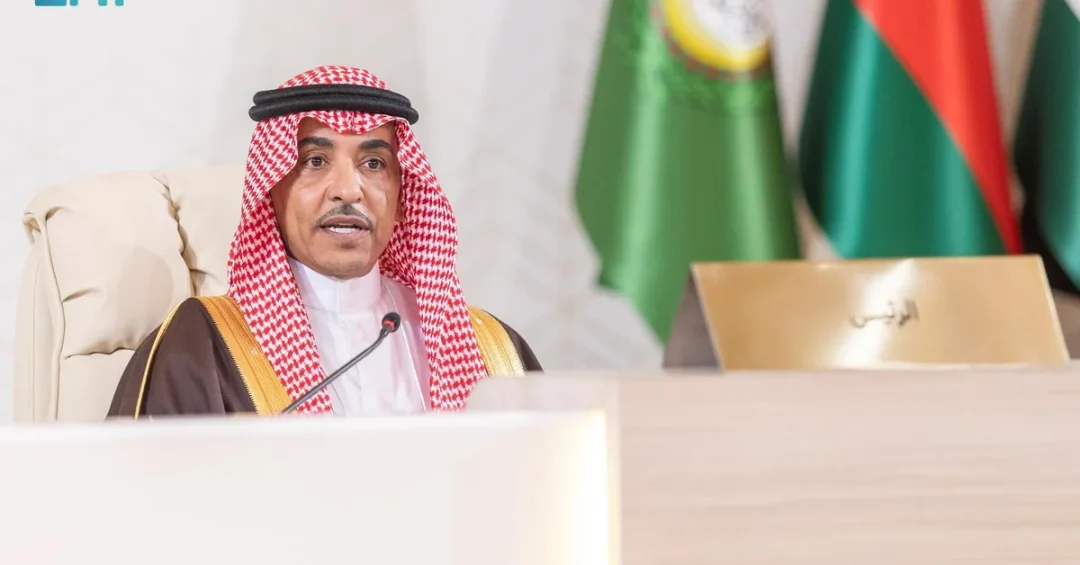
Saudi Arabia’s Minister of Media, Salman Al-Dossary, has reaffirmed the centrality of the Palestinian cause in Arab media strategy and called for unified Arab media action to amplify the outcomes of the recent Extraordinary Arab and Islamic Summit in Riyadh. The minister made the remarks on Monday while chairing the 20th regular session of the Executive Office of the Arab Information Ministers Council in Abu Dhabi, United Arab Emirates, with the participation of heads of Arab delegations, institutions, and unions engaged in media-related activities. The session, held in the Emirati capital, brought together senior media officials from across the Arab world to discuss a 12-item agenda aimed at strengthening joint Arab media work. According to the Saudi Press Agency (SPA), Al-Dossary emphasized that the Palestinian cause remains the foremost priority in Arab media efforts, underscoring the Kingdom’s continued commitment to supporting the Palestinian people’s legitimate national rights and the pursuit of a just and comprehensive solution based on international legitimacy resolutions. The meeting reflects Saudi Arabia’s broader diplomatic and media leadership in the region, aligning with the Kingdom’s Vision 2030 objectives of fostering regional stability, enhancing international cooperation, and promoting balanced and constructive media narratives.
The 20th regular session of the Executive Office of the Arab Information Ministers Council serves as a key platform for coordinating media policies among Arab League member states. This year’s gathering assumed added significance following the Extraordinary Arab and Islamic Summit held in Riyadh in November 2024, which produced resolutions reaffirming Arab and Islamic solidarity with the Palestinian people. Al-Dossary’s chairmanship of the session highlights Saudi Arabia’s pivotal role in shaping Arab media discourse and ensuring that the outcomes of major diplomatic gatherings are effectively communicated to global audiences. The participation of heads of Arab delegations, institutions, and unions demonstrates a collective recognition of the need for a unified media front capable of addressing pressing regional issues. The minister’s remarks come at a time when Arab media faces both opportunities and challenges, including the rapid evolution of digital platforms, the rise of artificial intelligence (AI), and the need to counter misinformation. By focusing on these priorities, the session underscored the importance of modernizing Arab media tools while staying true to the region’s shared values and strategic interests.
Context and Background
Why does the Palestinian cause continue to occupy such a central place in Arab media discourse? The answer lies in the deep historical, cultural, and political ties that bind Arab nations to the Palestinian people, as well as the enduring consensus among Arab states that a just resolution to the Palestinian question is essential for regional stability. The Extraordinary Arab and Islamic Summit in Riyadh, held in November 2024, reaffirmed this consensus by issuing resolutions that emphasized the centrality of the Palestinian cause and the need for a comprehensive and just solution based on international legitimacy resolutions. Minister Al-Dossary’s remarks in Abu Dhabi build on that momentum, translating high-level diplomatic declarations into concrete media strategies. The Executive Office of the Arab Information Ministers Council, which operates under the umbrella of the Arab League, has long served as a coordinating body for media policies across the Arab world. Its 20th regular session reflects a renewed sense of urgency and purpose, as Arab media seeks to present a unified narrative on issues of common concern.
The meeting also took place against the backdrop of significant environmental and technological developments that are reshaping the global media landscape. Saudi Arabia’s hosting of the 16th session of the Conference of the Parties (COP16) of the United Nations Convention to Combat Desertification (UNCCD) and the One Water Summit were highlighted by Al-Dossary as key events whose outcomes should be showcased in Arab media. These gatherings underscore the Kingdom’s growing leadership in environmental sustainability and water resource management, issues that resonate strongly with Arab audiences given the region’s arid climate and water scarcity challenges. Furthermore, the minister’s emphasis on leveraging AI technologies in Arab media reflects a forward-looking approach that aligns with Saudi Arabia’s broader digital transformation agenda. The Global AI Summit held in Riyadh earlier in 2024 provided a platform for sharing expertise and best practices, and Al-Dossary called for utilizing that expertise to enhance the performance of Arab media. This intersection of traditional media priorities and cutting-edge technology illustrates the multifaceted nature of contemporary Arab media strategy.
Key Details
What specific items were on the agenda of the 20th regular session? According to SPA, Minister Al-Dossary stated that the meeting discussed 12 items as part of Arab efforts to enhance joint Arab media work, with the Palestinian cause at the forefront. The agenda also included the importance of a unified Arab plan for media engagement with environmental issues, reflecting the growing recognition that climate change and desertification are critical challenges facing the Arab world. The minister highlighted Saudi Arabia’s hosting of COP16 of the UNCCD and the One Water Summit, emphasizing the need to amplify their outcomes through Arab media channels. In addition, the session addressed ways to enhance media content, the role of media in combating terrorism, the Arab League’s efforts to follow up on the Arab Media Action Plan abroad, and the Arab Media Map for Sustainable Development 2030. These topics demonstrate a comprehensive approach to media strategy that encompasses political, environmental, security, and developmental dimensions.
A significant portion of the discussion focused on the integration of AI technologies into Arab media. Minister Al-Dossary underscored the importance of leveraging AI to enhance content creation and analyze audience behavior, drawing on the expertise gained from the Global AI Summit held in Riyadh. This call reflects a strategic recognition that AI can revolutionize how media outlets produce, distribute, and measure the impact of their content. By adopting AI-driven tools, Arab media can better understand their audiences, tailor content to diverse demographics, and compete more effectively in a global information environment. The minister’s remarks also touched on the need to enhance media content quality, which is essential for maintaining credibility and countering misinformation. The session’s emphasis on combating terrorism through media reflects the ongoing commitment of Arab states to use media as a tool for promoting peace, security, and stability. The Arab Media Action Plan abroad and the Arab Media Map for Sustainable Development 2030 were also discussed as frameworks for guiding future media initiatives.
International and Regional Impact
How will the outcomes of this session influence Arab media’s engagement with global audiences? The unified stance on the Palestinian cause and the emphasis on showcasing the outcomes of major summits and conferences signal a coordinated effort to project a coherent Arab narrative on the world stage. By leveraging AI and modern media tools, Arab media outlets can enhance their reach and effectiveness, ensuring that their perspectives are heard in international forums. The session’s focus on environmental issues, particularly desertification and water scarcity, positions Arab media as a proactive voice in global sustainability discussions. Saudi Arabia’s leadership in hosting COP16 and the One Water Summit provides a platform for Arab media to highlight regional solutions and contribute to global environmental governance. This alignment of media strategy with environmental diplomacy enhances the region’s soft power and reinforces its commitment to international cooperation.
Regionally, the session reinforces the spirit of solidarity and collective action that characterizes Arab League initiatives. The participation of heads of Arab delegations, institutions, and unions demonstrates a shared commitment to strengthening media cooperation and presenting a united front on issues of common concern. The Palestinian cause, in particular, remains a unifying factor that transcends political differences among Arab states. By reaffirming its centrality, the session sends a clear message that Arab media will continue to prioritize the Palestinian narrative and advocate for a just and comprehensive solution. The discussions on combating terrorism and promoting sustainable development further underscore the role of media as a tool for positive change and regional stability. The Arab Media Action Plan abroad and the Arab Media Map for Sustainable Development 2030 provide concrete frameworks for translating these aspirations into actionable strategies.
Economic and Strategic Significance
Why does media cooperation hold economic and strategic significance for Saudi Arabia and the broader Arab world? In an era of rapid digital transformation, media is not only a cultural and political instrument but also a driver of economic growth and innovation. The integration of AI technologies into media production and audience analysis can spur the development of new industries, create jobs, and enhance the competitiveness of Arab media markets. Saudi Arabia’s Vision 2030 places a strong emphasis on economic diversification and technological advancement, and the media sector is a key component of this vision. By promoting AI adoption in media, the Kingdom is positioning itself as a regional leader in media innovation and a hub for digital content creation. The Global AI Summit in Riyadh served as a catalyst for these efforts, bringing together experts and stakeholders to explore the transformative potential of AI across various sectors, including media.
Strategically, a unified Arab media front enhances the region’s ability to shape global narratives and protect its interests. The Palestinian cause, as a central issue, requires sustained and coordinated media attention to ensure that the voices and aspirations of the Palestinian people are heard and respected. Saudi Arabia’s leadership in this domain reflects its broader role as a stabilizing force in the region and a champion of Arab and Islamic causes. The session’s emphasis on environmental media engagement also aligns with the Kingdom’s strategic focus on sustainability and climate action, as evidenced by its hosting of COP16 and the One Water Summit. These events not only raise awareness but also attract investment and foster international partnerships. By linking media strategy to these high-profile initiatives, Saudi Arabia and its Arab partners can amplify their impact and contribute to a more informed and engaged global public.
Vision 2030 Alignment
How does the 20th regular session of the Executive Office of the Arab Information Ministers Council align with Saudi Arabia’s Vision 2030? Vision 2030 is a comprehensive blueprint for the Kingdom’s future, aiming to diversify the economy, empower citizens, and enhance Saudi Arabia’s global standing. A key pillar of this vision is the development of a vibrant media sector that can compete internationally and convey the Kingdom’s message of progress, moderation, and openness. Minister Al-Dossary’s emphasis on AI, content enhancement, and unified Arab media action directly supports this pillar. By investing in media technologies and fostering regional cooperation, Saudi Arabia is building the infrastructure and expertise needed to tell its story effectively and to contribute to a balanced global media landscape. The session’s outcomes, including the focus on the Palestinian cause and environmental issues, reflect the Kingdom’s commitment to justice, sustainability, and regional solidarity, all of which are integral to Vision 2030’s objectives.
Furthermore, the meeting in Abu Dhabi underscores Saudi Arabia’s role as a convener and leader in the Arab world. Through its chairmanship of the Executive Office and its active participation in Arab League initiatives, the Kingdom is reinforcing the bonds of Arab unity and promoting collective action on shared challenges. The discussions on combating terrorism, sustainable development, and the Arab Media Action Plan abroad demonstrate a holistic approach that integrates media with broader security and development goals. As Saudi Arabia continues to advance its Vision 2030 agenda, its leadership in Arab media will remain a vital component of its strategy to foster a prosperous, stable, and influential region. The outcomes of this session are expected to guide Arab media policies in the coming years, ensuring that the region’s voice is heard clearly and confidently on the world stage.
20 Questions
Q1. What was the main purpose of the 20th regular session of the Executive Office of the Arab Information Ministers Council?
A1. The session aimed to enhance joint Arab media work, with a focus on the Palestinian cause, environmental media engagement, AI integration, and other key issues. It brought together heads of Arab delegations to discuss a 12-item agenda and coordinate media strategies.
Q2. Who chaired the 20th regular session and where was it held?
A2. Saudi Arabia’s Minister of Media, Salman Al-Dossary, chaired the session. It was held in Abu Dhabi, the capital of the United Arab Emirates, with the participation of heads of Arab delegations, institutions, and unions.
Q3. What did Minister Al-Dossary emphasize regarding the Palestinian cause?
A3. He emphasized the centrality of the Palestinian cause and the need for Arab media to unite in highlighting the resolutions of the recent Extraordinary Arab and Islamic Summit in Riyadh, which reaffirmed support for the Palestinian people’s legitimate rights.
Q4. How many items were on the agenda of the session?
A4. The session discussed 12 items as part of Arab efforts to enhance joint Arab media work, with the Palestinian cause foremost among them, according to Minister Al-Dossary’s statement.
Q5. What environmental events did Minister Al-Dossary highlight for media coverage?
A5. He highlighted Saudi Arabia’s hosting of the 16th session of the Conference of the Parties (COP16) of the United Nations Convention to Combat Desertification (UNCCD) and the One Water Summit, stressing the importance of showcasing their outcomes in Arab media.
Q6. What role did Minister Al-Dossary assign to artificial intelligence in Arab media?
A6. He underscored the importance of leveraging AI technologies to enhance content and analyze audience behavior, and called for utilizing expertise from the Global AI Summit held in Riyadh to improve the performance of Arab media.
Q7. What other key issues were discussed during the session?
A7. The meetings discussed ways to enhance media content, the role of media in combating terrorism, the Arab League’s efforts to follow up on the Arab Media Action Plan abroad, and the Arab Media Map for Sustainable Development 2030.
Q8. What is the significance of the Extraordinary Arab and Islamic Summit in Riyadh?
A8. The summit reaffirmed the centrality of the Palestinian cause, unwavering support for the Palestinian people in achieving their legitimate national rights, and the pursuit of a just and comprehensive solution based on international legitimacy resolutions.
Q9. How does this session reflect Saudi Arabia’s leadership in the Arab world?
A9. Saudi Arabia’s chairmanship of the session and its active role in shaping the agenda demonstrate its leadership in coordinating Arab media efforts and its commitment to regional solidarity and shared Arab priorities.
Q10. What is the Arab Media Action Plan abroad?
A10. It is a plan followed up by the Arab League to coordinate media activities and strategies beyond the Arab region, aiming to present a unified Arab narrative and enhance the region’s global media presence.
Q11. What is the Arab Media Map for Sustainable Development 2030?
A11. It is a strategic framework that aligns Arab media efforts with the Sustainable Development Goals for 2030, promoting media’s role in raising awareness and supporting development initiatives across the Arab world.
Q12. Why is the Palestinian cause considered central in Arab media?
A12. The Palestinian cause is a unifying issue that resonates deeply with Arab publics and governments, reflecting shared historical, cultural, and political ties and a collective commitment to justice and legitimate rights.
Q13. How can AI enhance Arab media performance?
A13. AI can improve content creation, personalize audience engagement, analyze viewership behavior, and streamline production processes, enabling Arab media to compete more effectively in the global digital landscape.
Q14. What was the outcome of the Global AI Summit in Riyadh relevant to media?
A14. The summit provided expertise and insights on AI applications that can be adapted to media, and Minister Al-Dossary called for utilizing this expertise to enhance the performance of Arab media.
Q15. How does the session address the role of media in combating terrorism?
A15. The session discussed key issues related to media’s role in combating terrorism, emphasizing the importance of responsible reporting and countering extremist narratives to promote peace and security.
Q16. What is the significance of Saudi Arabia hosting COP16 and the One Water Summit?
A16. It underscores the Kingdom’s leadership in environmental sustainability and water resource management, and provides an opportunity for Arab media to highlight regional solutions and contribute to global environmental discussions.
Q17. How does this session align with Saudi Arabia’s Vision 2030?
A17. It supports Vision 2030’s goals of developing a vibrant media sector, promoting technological innovation, and enhancing Saudi Arabia’s global standing through regional cooperation and modern media strategies.
Q18. What is the Executive Office of the Arab Information Ministers Council?
A18. It is a body under the Arab League that coordinates media policies among Arab states, organizes regular sessions, and works to enhance joint Arab media action on regional and international issues.
Q19. How can unified Arab media efforts impact global perceptions?
A19. Unified efforts can amplify Arab perspectives, ensure accurate representation of Arab causes, and strengthen the region’s soft power by presenting a coherent and credible narrative to international audiences.
Q20. What are the next steps following this session?
A20. The outcomes will guide Arab media policies, with follow-up on the Arab Media Action Plan abroad and the Arab Media Map for Sustainable Development 2030, and continued coordination among member states to implement the discussed initiatives.
Reader Feedback
We value your thoughts. Please share your feedback on this article.
Your feedback helps us improve our coverage.
Related articles
 SDRPY Official Meets OPEC Fund Director in Riyadh
 Saudi Arabia to Host 2026 International Water Desalination Conference
 Saudi GACA Joins ICAO Security Week 2024 in Oman
 Crown Prince, UK PM Starmer Hold Extensive Talks in Riyadh
 Vice Foreign Minister Meets Sudan’s Ambassador
 British PM Starmer Concludes Official Visit to Riyadh