


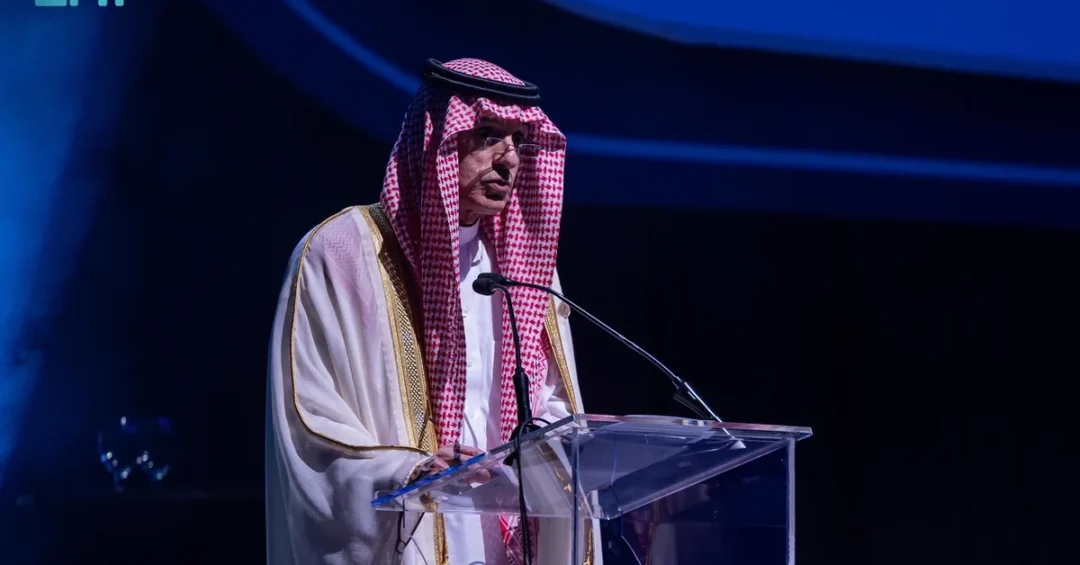
Saudi Arabia showcased a series of national initiatives aimed at bolstering ocean sustainability and biodiversity conservation at the High-Level Event on Ocean Action held in San José, Costa Rica, from June 7-8, 2024. The Kingdom’s delegation, led by Adel Al-Jubeir, Minister of State for Foreign Affairs, Cabinet Member, and Climate Affairs Envoy, presented these initiatives under the banner of Blue Saudi, demonstrating the Kingdom’s commitment to protecting marine environments and promoting sustainable development.
Context and Background
The High-Level Event on Ocean Action served as a crucial precursor to the Third UN Ocean Conference, scheduled to take place in Nice, France, from June 9 to 13, 2025. The event aimed to facilitate the exchange of expertise on ocean governance and safety while addressing pressing challenges such as pollution, overfishing, and climate change impacts. Central to the discussions was Sustainable Development Goal 14 (SDG 14), which focuses on the conservation and sustainable use of oceans, seas, and marine resources. Saudi Arabia’s participation underscores its growing role in global environmental diplomacy and its dedication to international cooperation on ocean issues.
The Kingdom’s engagement aligns with its broader environmental strategy, including the Saudi Green Initiative and Vision 2030, which prioritize environmental sustainability and economic diversification. By sharing its national initiatives, Saudi Arabia aims to contribute to global efforts while highlighting the unique biodiversity of the Red Sea and the Arabian Gulf.
Key Details
During the event, the Saudi delegation presented a range of initiatives under the Blue Saudi banner. These include an assessment program for environmental habitats in the Red Sea and the Arabian Gulf, along with their rehabilitation. The program focuses on evaluating the condition of coral reefs, seagrasses, and mangrove trees, which are crucial indicators of environmental wellbeing. The delegation emphasized the importance of preserving these ecosystems for social and economic progress, noting that the Red Sea and Arabian Gulf host unique biodiversity that supports fisheries, tourism, and coastal communities.
Among the highlighted initiatives was an ambitious program to plant 200 million mangrove trees by 2030 and 1.4 billion by 2100. Mangroves are vital for carbon sequestration, coastal protection, and supporting marine life. The delegation also outlined Saudi Arabia’s efforts to tackle plastic pollution through legislative and regulatory measures, comprehensive waste management planning, and the establishment of the National Center for Waste Management. These actions aim to reduce marine litter and promote behavioral changes across society.
Furthermore, the delegation underscored Saudi Arabia’s commitment to implementing the UN Convention on the Law of the Sea, demonstrating dedication to conserving and sustainably utilizing biodiversity. The Kingdom also identifies protected areas, both declared and proposed, as part of its commitment to the 30×30 goal within the Saudi Green Initiative, which aims to protect 30% of land and sea by 2030.
Implications and Impact
Saudi Arabia’s active participation in the High-Level Event on Ocean Action signals its increasing leadership in global environmental governance. By sharing its national initiatives, the Kingdom not only contributes to international efforts but also enhances its reputation as a responsible steward of marine resources. The initiatives presented have significant implications for regional biodiversity, as the Red Sea and Arabian Gulf are among the world’s most biologically diverse marine environments. Protecting these ecosystems is essential for sustaining fisheries, tourism, and coastal livelihoods, which are integral to Saudi Arabia’s economic diversification under Vision 2030.
Moreover, the Kingdom’s efforts to combat plastic pollution and establish protected areas align with global targets and demonstrate a proactive approach to environmental challenges. This can attract international partnerships and investment in blue economy sectors, fostering innovation and sustainable development. Saudi Arabia’s commitment to the UN Convention on the Law of the Sea further reinforces its adherence to international legal frameworks, promoting stability and cooperation in maritime regions.
Regionally, these initiatives can serve as a model for other countries in the Middle East and beyond, encouraging collective action to preserve marine ecosystems. The exchange of expertise at the event facilitated knowledge sharing and capacity building, which are crucial for addressing transboundary ocean issues. As the world prepares for the Third UN Ocean Conference, Saudi Arabia’s contributions will likely shape discussions and inspire further commitments.
Vision 2030 Alignment
Saudi Arabia’s ocean sustainability initiatives are deeply intertwined with Vision 2030, the Kingdom’s strategic framework to diversify its economy and enhance quality of life. Environmental sustainability is a key pillar of Vision 2030, and the Blue Saudi initiatives exemplify how the Kingdom is integrating environmental protection with economic growth. By rehabilitating marine habitats, planting mangroves, and reducing pollution, Saudi Arabia is safeguarding its natural capital for future generations while creating opportunities in tourism, fisheries, and renewable energy.
The 30×30 goal and the Saudi Green Initiative further demonstrate the Kingdom’s commitment to global environmental targets, positioning Saudi Arabia as a leader in sustainability. These efforts not only protect biodiversity but also support the development of sustainable coastal cities and eco-tourism destinations, such as those in NEOM and the Red Sea Project. As Saudi Arabia continues to advance its environmental agenda, it reinforces its role as a responsible global citizen and a key player in achieving the Sustainable Development Goals.
20 Questions
Q1. What was the High-Level Event on Ocean Action?
A1. The High-Level Event on Ocean Action was a meeting held in San José, Costa Rica, from June 7-8, 2024, to facilitate exchange of expertise on ocean governance and address challenges facing oceans, as a precursor to the Third UN Ocean Conference.
Q2. Who led the Saudi delegation to the event?
A2. The Saudi delegation was led by Adel Al-Jubeir, Minister of State for Foreign Affairs, Cabinet Member, and Climate Affairs Envoy.
Q3. What is Blue Saudi?
A3. Blue Saudi is a banner under which Saudi Arabia presented a range of national initiatives designed to bolster ocean sustainability and biodiversity conservation at the event.
Q4. What are the main objectives of the Saudi initiatives?
A4. The main objectives include assessing and rehabilitating environmental habitats in the Red Sea and Arabian Gulf, preserving biodiversity, tackling plastic pollution, and implementing the UN Convention on the Law of the Sea.
Q5. Which specific habitats are being assessed?
A5. The assessment program focuses on coral reefs, seagrasses, and mangrove trees, which are crucial indicators for monitoring environmental wellbeing.
Q6. Why are coral reefs, seagrasses, and mangroves important?
A6. They support marine biodiversity, protect coastlines, sequester carbon, and sustain fisheries and tourism, which are vital for social and economic progress.
Q7. What is the 30×30 goal?
A7. The 30×30 goal aims to protect 30% of land and sea by 2030, as part of the Saudi Green Initiative, demonstrating Saudi Arabia’s commitment to conservation.
Q8. How many mangrove trees does Saudi Arabia plan to plant?
A8. Saudi Arabia plans to plant 200 million mangrove trees by 2030 and 1.4 billion by 2100, contributing to carbon sequestration and coastal protection.
Q9. What measures is Saudi Arabia taking to tackle plastic pollution?
A9. Saudi Arabia is implementing legislative and regulatory measures, comprehensive waste management planning, establishing the National Center for Waste Management, and promoting behavioral changes.
Q10. What is the National Center for Waste Management?
A10. It is a center established by Saudi Arabia to oversee waste management planning and reduce pollution, including marine litter.
Q11. How does Saudi Arabia demonstrate commitment to the UN Convention on the Law of the Sea?
A11. By implementing the convention, Saudi Arabia shows dedication to conserving and sustainably utilizing marine biodiversity.
Q12. What is the significance of the Red Sea and Arabian Gulf?
A12. They are unique marine environments with rich biodiversity that support fisheries, tourism, and coastal communities, essential for Saudi Arabia’s economy.
Q13. What is the Third UN Ocean Conference?
A13. It is a major international conference scheduled for June 9-13, 2025, in Nice, France, to advance ocean conservation and sustainable use.
Q14. How does Saudi Arabia’s participation benefit the global ocean agenda?
A14. It contributes expertise, showcases successful initiatives, and fosters international cooperation, helping to advance Sustainable Development Goal 14.
Q15. What is Sustainable Development Goal 14?
A15. SDG 14 aims to conserve and sustainably use oceans, seas, and marine resources for sustainable development.
Q16. How do these initiatives align with Vision 2030?
A16. They support environmental sustainability, economic diversification, and quality of life improvements, which are core pillars of Vision 2030.
Q17. What role does the Saudi Green Initiative play?
A17. It is a national initiative that includes the 30×30 goal and other environmental programs, unifying Saudi Arabia’s efforts to combat climate change and protect nature.
Q18. What are the expected outcomes of the habitat assessment and rehabilitation?
A18. They aim to restore marine ecosystems, enhance biodiversity, and ensure the sustainability of resources for future generations.
Q19. How can other countries benefit from Saudi Arabia’s initiatives?
A19. Other countries can learn from Saudi Arabia’s approaches to marine conservation, waste management, and sustainable development, fostering global cooperation.
Q20. What is the overall message of Saudi Arabia’s participation?
A20. Saudi Arabia is committed to ocean sustainability, biodiversity conservation, and international collaboration, reflecting its leadership in environmental stewardship and Vision 2030.
Reader Feedback
We value your thoughts. Please share your feedback on this article.
Your feedback helps us improve our coverage.