


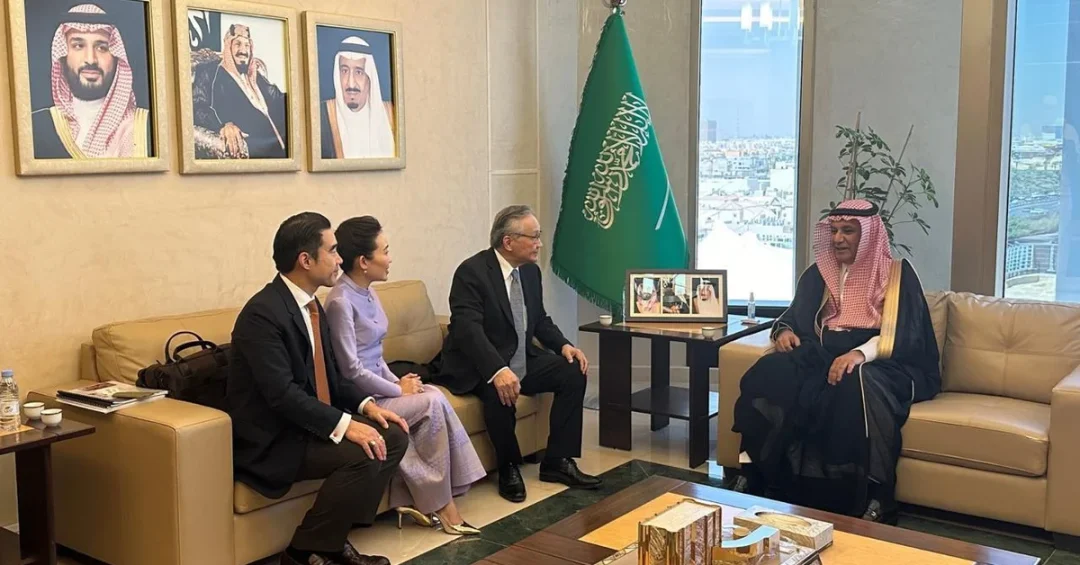
Riyadh – In a significant step toward strengthening global food security, the Governor of the General Food Security Authority (GFSA), Ahmed Al-Faris, received Don Pramudwinai, former Deputy Prime Minister and Minister of Foreign Affairs of Thailand and current Member of the Board of Advisors of Berli Jucker Public Company Ltd (BJC), in Riyadh on October 8, 2024. The meeting, reported by the Saudi Press Agency (SPA), focused on enhancing bilateral cooperation in food security, exchanging expertise, and exploring new avenues for collaboration between the Kingdom of Saudi Arabia and Thailand.
Context and Background
Saudi Arabia has long recognized the critical importance of food security as a cornerstone of national stability and economic resilience. Under Vision 2030, the Kingdom has launched numerous initiatives to diversify food sources, improve agricultural efficiency, and build strategic reserves. The General Food Security Authority, established in 2020, plays a pivotal role in these efforts, overseeing food security policies, managing strategic reserves, and fostering international partnerships. Thailand, a global leader in agricultural production and food processing, offers valuable expertise in rice cultivation, food technology, and supply chain management. This meeting builds on the longstanding diplomatic and economic ties between the two nations, which have deepened in recent years through high-level visits and agreements in trade, investment, and tourism.
Key Details
During the meeting, Governor Ahmed Al-Faris and Don Pramudwinai discussed a range of food security issues affecting both countries, including sustainable agriculture, food supply chain resilience, and the role of technology in enhancing production. They explored means to enhance cooperation, such as joint research in agricultural innovation, exchange of expertise in food processing, and potential investment opportunities in the food sector. The presence of Don Pramudwinai in his capacity as a member of the Board of Advisors of BJC, a major Thai conglomerate with interests in food and consumer goods, underscores the private sector’s role in advancing food security cooperation. While specific agreements were not announced, the dialogue reflects a shared commitment to addressing global food challenges through collaboration.
Implications and Impact
The discussions between Saudi Arabia and Thailand carry significant implications for regional and international food security. For Saudi Arabia, partnering with Thailand—a key player in the global food market—can enhance the Kingdom’s access to diverse food imports and innovative agricultural technologies, supporting its goal of achieving self-sufficiency in certain food categories. For Thailand, collaboration with Saudi Arabia opens opportunities for Thai businesses to invest in the Kingdom’s growing food sector and to participate in Vision 2030 projects. On a broader scale, this meeting exemplifies how nations can work together to address global food challenges, particularly in light of climate change and supply chain disruptions. It also strengthens the bilateral relationship, which has been on an upward trajectory since the restoration of diplomatic ties in 2022.
Vision 2030 Alignment
This meeting directly aligns with Saudi Arabia’s Vision 2030, which seeks to ensure food security as part of its economic diversification and quality of life objectives. By forging international partnerships and leveraging global expertise, the Kingdom is building a resilient food system that can withstand future shocks. The engagement with Thailand not only advances these goals but also positions Saudi Arabia as a proactive leader in global food security, committed to sustainable development and international cooperation. As the Kingdom continues to implement Vision 2030, such collaborations will be essential in creating a secure and prosperous future for all.
20 Questions
Q1. Who received Don Pramudwinai in Riyadh?
A1. Ahmed Al-Faris, Governor of the General Food Security Authority (GFSA), received Don Pramudwinai in Riyadh on October 8, 2024.
Q2. What was the main topic of discussion?
A2. They discussed food security issues concerning both Saudi Arabia and Thailand, including enhanced cooperation and exchange of expertise.
Q3. When did the meeting take place?
A3. The meeting took place on October 8, 2024, as reported by the Saudi Press Agency.
Q4. Who is Don Pramudwinai?
A4. Don Pramudwinai is the former Deputy Prime Minister and Minister of Foreign Affairs of Thailand and a Member of the Board of Advisors of Berli Jucker Public Company Ltd (BJC).
Q5. What is the General Food Security Authority (GFSA)?
A5. The GFSA is a Saudi government body established in 2020 to oversee food security policies, manage strategic reserves, and foster international partnerships.
Q6. Why is food security important for Saudi Arabia?
A6. Food security is crucial for national stability and economic resilience, supporting Saudi Arabia’s Vision 2030 goals of diversification and quality of life.
Q7. What expertise does Thailand offer in food security?
A7. Thailand is a global leader in agricultural production, food processing, and supply chain management, particularly in rice cultivation and food technology.
Q8. What is BJC’s role in this meeting?
A8. BJC, a major Thai conglomerate, has interests in food and consumer goods; Don Pramudwinai’s advisory role highlights private sector involvement in food security cooperation.
Q9. What specific areas of cooperation were discussed?
A9. They discussed sustainable agriculture, food supply chain resilience, technology in production, joint research, and investment opportunities in the food sector.
Q10. Were any agreements signed during the meeting?
A10. No specific agreements were announced; the meeting focused on dialogue and exploring avenues for collaboration.
Q11. How does this meeting align with Vision 2030?
A11. It aligns with Vision 2030’s goal of ensuring food security through international partnerships, economic diversification, and sustainable development.
Q12. What are the implications for Saudi Arabia’s food imports?
A12. Partnering with Thailand can enhance Saudi Arabia’s access to diverse food imports and innovative agricultural technologies, supporting self-sufficiency goals.
Q13. What opportunities does this open for Thailand?
A13. Thai businesses can invest in Saudi Arabia’s growing food sector and participate in Vision 2030 projects, strengthening bilateral economic ties.
Q14. How does this meeting affect Saudi-Thai relations?
A14. It strengthens bilateral relations, which have improved since diplomatic ties were restored in 2022, fostering deeper cooperation.
Q15. What role does the private sector play in food security?
A15. The private sector, like BJC, can contribute expertise, investment, and innovation to enhance food security cooperation between nations.
Q16. What global challenges does this cooperation address?
A16. It addresses climate change impacts, supply chain disruptions, and the need for sustainable food systems globally.
Q17. How does Saudi Arabia manage its strategic food reserves?
A17. The GFSA oversees strategic reserves, ensuring availability and stability of food supplies during crises or disruptions.
Q18. What agricultural technologies might be shared?
A18. Potential technologies include advanced irrigation, food processing, and smart farming methods to boost production efficiency.
Q19. What is the significance of this meeting for regional food security?
A19. It exemplifies international collaboration to address food challenges, promoting stability and cooperation in the region and beyond.
Q20. What are the next steps for Saudi-Thai food security cooperation?
A20. Next steps may include follow-up meetings, joint research initiatives, and private sector partnerships to implement discussed ideas.
Reader Feedback
We value your thoughts. Please share your feedback on this article.
Your feedback helps us improve our coverage.