


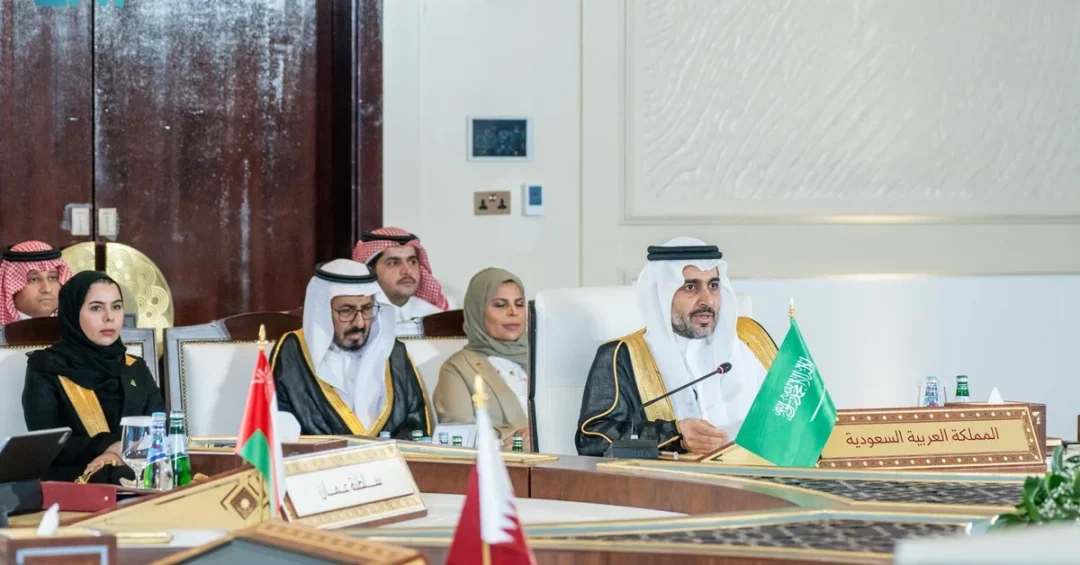
Saudi Arabia has urged Gulf Cooperation Council (GCC) states to strengthen regional and international cooperation on environmental challenges, particularly in rehabilitating degraded lands and enhancing community and ecosystem resilience to drought. The call was made by Eng. Mansour Al Mushaiti, Vice Minister of Environment, Water, and Agriculture, during the 26th meeting of GCC ministers responsible for environmental affairs, held in Qatar on September 11, 2024, as reported by the Saudi Press Agency (SPA).
Context and Background
The GCC ministerial meetings serve as a key platform for coordinating environmental policies among member states, which face shared challenges such as desertification, water scarcity, and climate change. Saudi Arabia, through its Ministry of Environment, Water, and Agriculture, has been actively promoting regional initiatives to address these issues, aligning with its domestic sustainability goals and international commitments.
During the meeting, Al Mushaiti highlighted the importance of ratifying the Middle East Green Initiative Charter, a landmark regional effort launched by His Royal Highness Crown Prince Mohammed bin Salman in 2021. The initiative aims to plant 50 billion trees across the Middle East and rehabilitate 200 million hectares of degraded land, making it one of the largest afforestation projects in the world.
Key Details
Eng. Al Mushaiti called on GCC countries to include national targets for tree planting and land rehabilitation within the framework of the Middle East Green Initiative. He also urged national development funds in the GCC to increase support for vegetation development projects, emphasizing the need for financial and technical cooperation to scale up these efforts.
The Vice Minister noted that GCC meetings have contributed to advancing environmental work and achieving sustainable development goals in the region. He stressed the importance of addressing environmental protection, climate change adaptation and mitigation, and balancing development with natural resource preservation.
Looking ahead, Al Mushaiti expressed hope that Saudi Arabia’s hosting of the 16th session of the UN Convention to Combat Desertification (UNCCD) Conference of the Parties (COP16) in December 2024 will significantly impact international efforts to reduce land degradation and drought effects. He called for effective participation from all GCC countries, states parties to the agreement, international and regional organizations, the private sector, and civil society in the conference activities.
Implications and Impact
The outcomes of this meeting are expected to bolster regional collaboration on environmental issues, particularly as the Middle East is one of the most vulnerable regions to climate change. By aligning national targets with the Middle East Green Initiative, GCC countries can present a unified front at global forums such as COP16, amplifying their collective voice in international climate negotiations.
Moreover, increased support from national development funds could accelerate the implementation of large-scale afforestation and land rehabilitation projects, creating green jobs and enhancing food and water security. This cooperation also fosters knowledge sharing and technology transfer among GCC states, which is crucial for sustainable development.
Vision 2030 Alignment
Saudi Arabia’s push for regional environmental cooperation is closely tied to Vision 2030, the Kingdom’s strategic framework for economic diversification and sustainable development. The Saudi Green Initiative, launched in 2021, aims to plant 10 billion trees and restore 40 million hectares of degraded land within the Kingdom. By advocating for similar efforts across the GCC, Saudi Arabia reinforces its role as a regional leader in sustainability and climate action, contributing to a greener future for the Middle East and beyond.
20 Questions
Q1. What event did Saudi Arabia participate in regarding environmental affairs?
A1. Saudi Arabia participated in the 26th meeting of GCC ministers responsible for environmental affairs, held in Qatar on September 11, 2024.
Q2. Who represented Saudi Arabia at the GCC environmental meeting?
A2. Eng. Mansour Al Mushaiti, Vice Minister of Environment, Water, and Agriculture, represented Saudi Arabia at the meeting.
Q3. What did Saudi Arabia emphasize at the meeting?
A3. Saudi Arabia emphasized the importance of regional and international cooperation in addressing environmental challenges, particularly land rehabilitation and drought resilience.
Q4. What initiative did Al Mushaiti urge GCC countries to ratify?
A4. He urged GCC countries to ratify the Middle East Green Initiative Charter.
Q5. What are the goals of the Middle East Green Initiative?
A5. The initiative aims to plant 50 billion trees and rehabilitate 200 million hectares of degraded land across the Middle East.
Q6. What did Al Mushaiti advocate regarding national development funds?
A6. He advocated for increased support from national development funds in GCC countries for vegetation development projects in the region.
Q7. How have GCC meetings contributed to environmental work?
A7. According to Al Mushaiti, GCC meetings have advanced environmental work and helped achieve sustainable development goals in the region.
Q8. What environmental issues did Al Mushaiti highlight?
A8. He highlighted environmental protection, climate change adaptation and mitigation, and balancing development with natural resource preservation.
Q9. What upcoming conference did Al Mushaiti mention?
A9. He mentioned the 16th session of the UN Convention to Combat Desertification (UNCCD) COP16, to be hosted by Saudi Arabia in December 2024.
Q10. What is the expected impact of COP16?
A10. Al Mushaiti hopes COP16 will significantly impact international efforts to reduce land degradation and drought effects.
Q11. Who did Al Mushaiti call to participate in COP16?
A11. He called for participation from all GCC countries, states parties, international and regional organizations, the private sector, and civil society.
Q12. Why is regional cooperation important for environmental challenges?
A12. Regional cooperation is crucial because environmental challenges like desertification and drought transcend borders and require collective action.
Q13. What is the Saudi Green Initiative?
A13. The Saudi Green Initiative aims to plant 10 billion trees and restore 40 million hectares of degraded land within Saudi Arabia.
Q14. How does the Middle East Green Initiative relate to Vision 2030?
A14. It aligns with Vision 2030 by promoting sustainability, economic diversification, and regional leadership in climate action.
Q15. What role do national development funds play?
A15. They provide financial support for large-scale environmental projects, such as tree planting and land rehabilitation.
Q16. How can GCC countries benefit from ratifying the charter?
A16. Ratifying the charter enables coordinated efforts, access to funding, and enhanced regional impact on climate resilience.
Q17. What is the significance of COP16 being hosted in Saudi Arabia?
A17. It underscores Saudi Arabia’s commitment to combating desertification and positions the Kingdom as a global leader in environmental diplomacy.
Q18. What are the key challenges facing the region?
A18. Key challenges include desertification, water scarcity, extreme heat, and drought, exacerbated by climate change.
Q19. How does land rehabilitation benefit communities?
A19. It improves food and water security, creates green jobs, and enhances resilience to climate impacts.
Q20. What is the overall message of Saudi Arabia’s participation?
A20. Saudi Arabia advocates for unified regional action to address environmental challenges and promote sustainable development.
Reader Feedback
We value your thoughts. Please share your feedback on this article.
Your feedback helps us improve our coverage.