


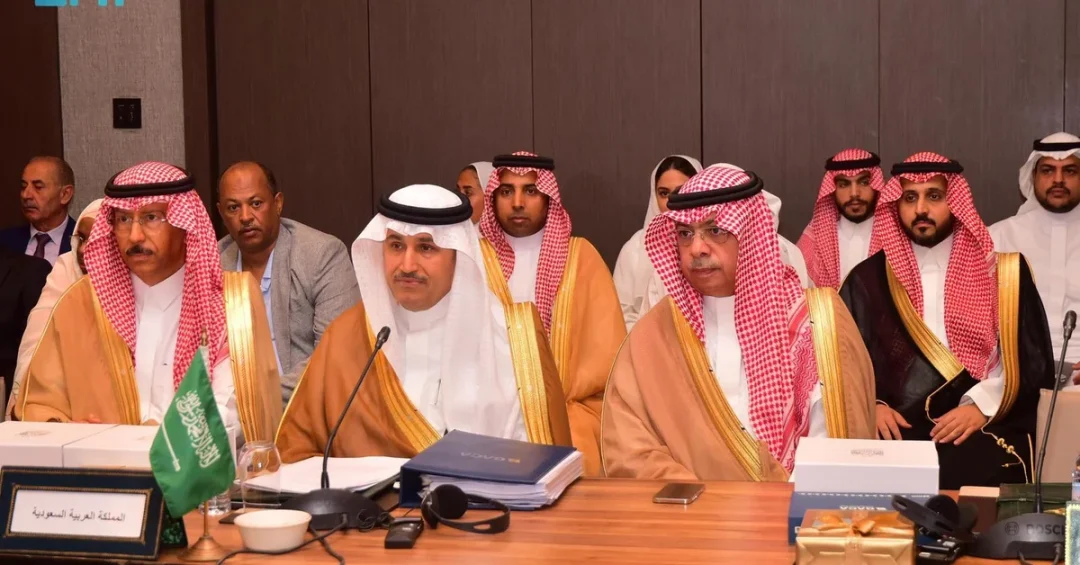
Saudi Arabia has unanimously won the presidency of the Executive Council of the Arab Civil Aviation Organization (ACAO) during its 28th Ordinary General Assembly meeting held in Rabat, Morocco. The election, announced on July 4, 2024, underscores the Kingdom’s growing influence in regional and international aviation governance. Minister of Transport and Logistic Services, Eng. Saleh Al-Jasser, led the Saudi delegation and expressed gratitude to Custodian of the Two Holy Mosques King Salman bin Abdulaziz Al Saud and HRH Prince Mohammed bin Salman bin Abdulaziz Al Saud, Crown Prince and Prime Minister, for their unwavering support of the civil aviation sector.
Context and Background
The Arab Civil Aviation Organization (ACAO), established in 1996 and affiliated with the Arab League, aims to enhance cooperation among Arab countries in civil aviation development, safety, and security. Saudi Arabia is a founding member and has consistently supported the organization’s objectives. The Kingdom hosts the regional headquarters for safety oversight and the cooperative aviation security program for Middle Eastern countries, further solidifying its role as a key player in regional aviation.
This latest achievement builds on Saudi Arabia’s long-standing commitment to international aviation standards. The Kingdom has been an active participant in ACAO’s executive council and technical committees, contributing to initiatives that promote safe, secure, and sustainable air transport across the Arab world.
Key Details
Eng. Saleh Al-Jasser, Minister of Transport and Logistic Services, emphasized that this victory reflects the Kingdom’s high status in international and regional organizations. He stated, “This presidency is a testament to Saudi Arabia’s significant role in civil aviation and our dedication to enhancing joint Arab efforts in the air transport industry to achieve the highest safety standards.”
As a founding member, Saudi Arabia has also supported the International Civil Aviation Organization’s (ICAO) “No Country Left Behind” initiative with a contribution of $1 million. This initiative aims to assist developing countries in improving their aviation safety and security oversight capabilities. The Kingdom’s hosting of regional safety and security programs demonstrates its proactive approach to fostering collaboration and capacity-building in the region.
Al-Jasser affirmed the Kingdom’s commitment to developing and supporting ACAO, enhancing its international role, and cooperating with Arab and international partners to promote the aviation industry. He also highlighted the importance of joint Arab efforts to achieve the highest safety standards in air transport.
Implications and Impact
Saudi Arabia’s presidency of the ACAO Executive Council is expected to further strengthen regional cooperation in civil aviation. It provides the Kingdom with a platform to advocate for policies that enhance safety, security, and efficiency across Arab airspace. This leadership role also aligns with Saudi Arabia’s broader efforts to diversify its economy and become a global logistics hub, as outlined in Vision 2030.
Under Saudi leadership, ACAO is likely to prioritize the modernization of aviation infrastructure, the adoption of new technologies, and the harmonization of regulations among member states. These efforts will facilitate smoother air travel and boost trade and tourism within the region. Furthermore, the Kingdom’s presidency can help bridge gaps between Arab nations and international aviation bodies, fostering greater collaboration on global standards.
The unanimous election of Saudi Arabia also reflects the trust and confidence that Arab nations place in the Kingdom’s ability to lead and innovate in the aviation sector. It reinforces Saudi Arabia’s position as a unifying force in the Arab world, capable of driving collective progress.
Vision 2030 Alignment
This achievement is closely tied to Saudi Arabia’s Vision 2030, which seeks to transform the Kingdom into a global investment powerhouse and a hub connecting three continents. The aviation sector is a key pillar of this vision, with ambitious plans to expand airport capacity, increase passenger numbers, and enhance connectivity. By leading ACAO, Saudi Arabia can further accelerate these goals, promoting sustainable growth and economic diversification.
Moreover, the presidency underscores the Kingdom’s commitment to international cooperation and its role as a responsible global stakeholder. As Saudi Arabia continues to invest in aviation infrastructure and technology, its leadership in ACAO will help shape the future of air travel in the Arab world and beyond, contributing to a more connected and prosperous region.
20 Questions
Q1. What organization’s presidency did Saudi Arabia win?
A1. Saudi Arabia won the presidency of the Executive Council of the Arab Civil Aviation Organization (ACAO) during its 28th Ordinary General Assembly meeting in Rabat, Morocco, on July 4, 2024.
Q2. Who represented Saudi Arabia at the ACAO meeting?
A2. Minister of Transport and Logistic Services, Eng. Saleh Al-Jasser, led the Saudi delegation and expressed gratitude to the Kingdom’s leadership for their support of the civil aviation sector.
Q3. When was the ACAO established?
A3. The Arab Civil Aviation Organization was established in 1996 and is affiliated with the Arab League, aiming to enhance cooperation among Arab countries in civil aviation development.
Q4. What is the significance of Saudi Arabia’s presidency of the ACAO Executive Council?
A4. It reflects the Kingdom’s high status in international and regional organizations and its significant role in civil aviation, enhancing joint Arab efforts in air transport.
Q5. What did Eng. Saleh Al-Jasser say about the victory?
A5. He stated that the victory reflects the Kingdom’s high status and its role in civil aviation, and he emphasized the importance of enhancing joint Arab efforts to achieve the highest safety standards.
Q6. How has Saudi Arabia supported ACAO historically?
A6. As a founding member, Saudi Arabia has consistently supported ACAO’s goals, participated in its executive council and technical committees, and hosts regional headquarters for safety oversight and aviation security programs.
Q7. What international initiative has Saudi Arabia supported with $1 million?
A7. Saudi Arabia has supported the International Civil Aviation Organization’s “No Country Left Behind” initiative with a $1 million contribution to assist developing countries in improving aviation safety and security.
Q8. What are the key objectives of ACAO?
A8. ACAO aims to enhance cooperation among Arab countries in civil aviation development, safety, and security, promoting safe, secure, and sustainable air transport across the Arab world.
Q9. How does this presidency align with Saudi Vision 2030?
A9. It aligns with Vision 2030’s goal to transform Saudi Arabia into a global logistics hub and investment powerhouse, enhancing aviation sector growth and connectivity.
Q10. What regional programs does Saudi Arabia host for aviation safety?
A10. Saudi Arabia hosts the regional headquarters for safety oversight and the cooperative aviation security program for Middle Eastern countries, fostering collaboration and capacity-building in the region.
Q11. What did Al-Jasser affirm regarding Saudi Arabia’s commitment to ACAO?
A11. He affirmed the Kingdom’s commitment to developing and supporting ACAO, enhancing its international role, and cooperating with Arab and international partners to promote the aviation industry.
Q12. How might Saudi Arabia’s presidency impact regional aviation?
A12. It is expected to strengthen regional cooperation, prioritize modernization of infrastructure, adopt new technologies, and harmonize regulations among member states for smoother air travel.
Q13. What role does Saudi Arabia play in international aviation governance?
A13. Saudi Arabia is an active participant in ACAO and ICAO, contributing to initiatives that promote safe, secure, and sustainable air transport, and is a key player in regional aviation.
Q14. What is the “No Country Left Behind” initiative?
A14. It is an ICAO initiative aimed at assisting developing countries in improving their aviation safety and security oversight capabilities, which Saudi Arabia supports with a $1 million contribution.
Q15. How does this achievement reflect Saudi Arabia’s leadership in the Arab world?
A15. The unanimous election reflects the trust and confidence Arab nations place in Saudi Arabia’s ability to lead and innovate in aviation, reinforcing its position as a unifying force in the region.
Q16. What benefits could Saudi Arabia’s presidency bring to the Arab aviation sector?
A16. It could lead to enhanced safety standards, increased collaboration, modernization of infrastructure, and greater harmonization of regulations, boosting trade and tourism within the region.
Q17. What did Al-Jasser express gratitude for?
A17. He expressed gratitude to Custodian of the Two Holy Mosques King Salman bin Abdulaziz Al Saud and HRH Prince Mohammed bin Salman bin Abdulaziz Al Saud, Crown Prince and Prime Minister, for their support of the civil aviation sector.
Q18. How does Saudi Arabia’s presidency of ACAO contribute to global aviation?
A18. It helps bridge gaps between Arab nations and international aviation bodies, fostering greater collaboration on global standards and promoting a more connected and prosperous region.
Q19. What are the long-term goals of Saudi Arabia in civil aviation?
A19. Saudi Arabia aims to expand airport capacity, increase passenger numbers, enhance connectivity, and become a global logistics hub, as part of Vision 2030’s economic diversification goals.
Q20. What does this presidency mean for Saudi Arabia’s global role?
A20. It underscores Saudi Arabia’s commitment to international cooperation and its role as a responsible global stakeholder, shaping the future of air travel in the Arab world and beyond.
Reader Feedback
We value your thoughts. Please share your feedback on this article.
Your feedback helps us improve our coverage.