


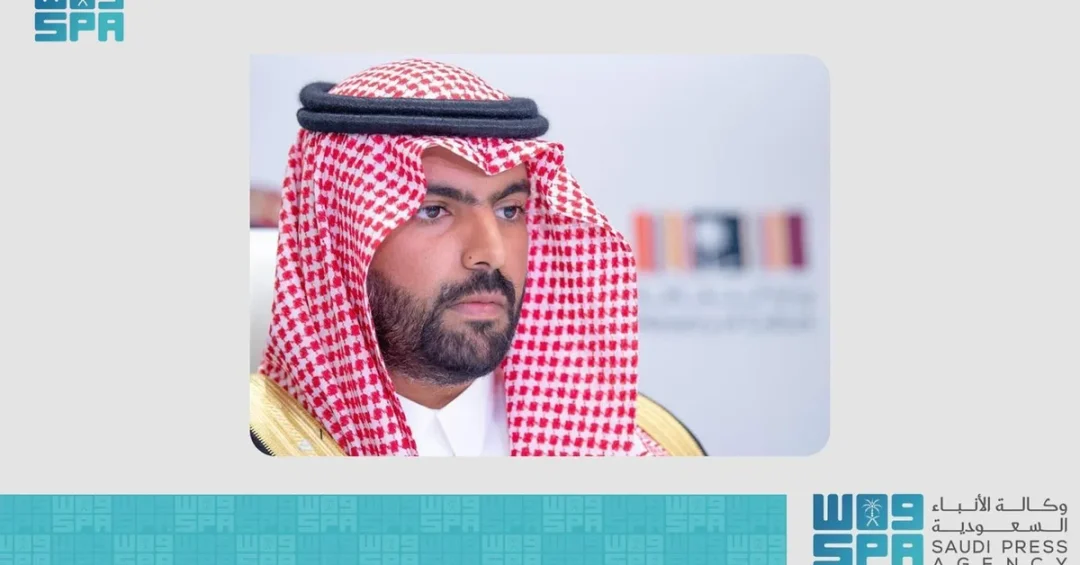
Assistant Minister of Culture Rakan bin Ibrahim Al-Touq represented Saudi Arabia at the 28th meeting of Gulf Cooperation Council (GCC) culture ministers in Doha on Thursday, October 4, 2024, underscoring the Kingdom’s commitment to regional cultural cooperation and the advancement of shared heritage. The meeting, held on behalf of Minister of Culture Prince Badr bin Abdullah bin Farhan, brought together cultural leaders from across the Gulf to discuss initiatives aimed at strengthening cultural ties and promoting joint projects.
Context and Background
The 28th meeting of GCC culture ministers was chaired by Sheikh Abdulrahman bin Hamad Al Thani, Qatar’s Minister of Culture and President of the current session. This annual gathering serves as a vital platform for GCC nations to coordinate cultural policies, exchange expertise, and align efforts on regional and international cultural initiatives. Saudi Arabia’s active participation reflects its leading role in fostering cultural diplomacy and its dedication to the goals of Vision 2030, which emphasizes cultural enrichment as a pillar of national development.
Key Discussions and Initiatives
The ministers deliberated on a range of topics designed to enhance cultural collaboration among GCC countries. Central to the agenda was the GCC Cultural Strategy 2020-2030, a comprehensive framework aimed at promoting cultural integration and sustainable development across the region. The annual plan for joint cultural events and activities was also reviewed, with an emphasis on increasing people-to-people exchanges and showcasing the rich cultural heritage of the Gulf.
Other key items included the vision for developing joint work between the culture and tourism sectors, which aligns with Saudi Arabia’s efforts to boost cultural tourism under Vision 2030. The meeting also addressed the Translation and Arabization Center, initiatives to promote the Arabic language, book fairs, and the Cultural Statistics Platform. These discussions highlight the GCC’s commitment to preserving cultural identity while embracing modernization and global engagement.
Implications and Impact
The outcomes of this meeting are expected to deepen cultural cooperation among GCC member states, leading to more coordinated cultural events, joint research, and shared platforms for promoting Arabic language and heritage. For Saudi Arabia, this collaboration supports its broader strategy to position itself as a global cultural hub. By participating actively in such forums, the Kingdom reinforces its leadership in cultural diplomacy and contributes to the region’s collective cultural renaissance.
Moreover, the emphasis on cultural statistics and international cooperation indicates a data-driven approach to cultural policy, enabling evidence-based decisions that can enhance the effectiveness of cultural programs. This aligns with Saudi Arabia’s Vision 2030 goal of fostering a vibrant society and diversified economy.
Vision 2030 Alignment
Saudi Arabia’s involvement in the 28th GCC culture ministers meeting is a testament to its unwavering commitment to Vision 2030, which seeks to transform the Kingdom into a global cultural and economic powerhouse. Through such regional partnerships, Saudi Arabia not only preserves its rich cultural heritage but also promotes cross-cultural dialogue and mutual understanding. As the Kingdom continues to invest in cultural infrastructure, education, and international exchanges, its role as a cultural leader in the Gulf and beyond will only grow stronger.
20 Questions
Q1. What was the main purpose of the 28th meeting of GCC culture ministers?
A1. The meeting aimed to enhance cultural cooperation and exchange among GCC countries, discussing initiatives like the GCC Cultural Strategy 2020-2030 and joint cultural events to strengthen regional cultural ties.
Q2. Who represented Saudi Arabia at the meeting?
A2. Assistant Minister of Culture Rakan bin Ibrahim Al-Touq represented Saudi Arabia on behalf of Minister of Culture Prince Badr bin Abdullah bin Farhan, highlighting the Kingdom’s active role in regional cultural affairs.
Q3. Where and when was the meeting held?
A3. The meeting took place in Doha, Qatar, on Thursday, October 4, 2024, bringing together culture ministers from all GCC member states to discuss collaborative cultural initiatives.
Q4. Who chaired the meeting?
A4. Sheikh Abdulrahman bin Hamad Al Thani, Qatar’s Minister of Culture and President of the current session, chaired the meeting, guiding discussions on key cultural topics and initiatives.
Q5. What is the GCC Cultural Strategy 2020-2030?
A5. It is a comprehensive framework designed to promote cultural integration and sustainable development across GCC countries, focusing on preserving heritage, fostering creativity, and enhancing cultural exchange.
Q6. What topics were discussed regarding culture and tourism?
A6. The ministers discussed the vision for developing joint work between the culture and tourism sectors, aiming to boost cultural tourism and create synergies that benefit all GCC nations economically and culturally.
Q7. What is the Translation and Arabization Center?
A7. It is an initiative to promote translation and Arabization efforts, facilitating the exchange of knowledge and cultural content among GCC countries and with the wider world.
Q8. How does the meeting promote the Arabic language?
A8. The meeting discussed strategies to promote the Arabic language through educational programs, cultural events, and digital platforms, ensuring its preservation and global presence.
Q9. What role do book fairs play in GCC cultural cooperation?
A9. Book fairs serve as platforms for showcasing literature, fostering reading culture, and facilitating cultural exchange among GCC countries, supporting the publishing industry and intellectual dialogue.
Q10. What is the Cultural Statistics Platform?
A10. It is a data-driven platform designed to collect and analyze cultural statistics, enabling evidence-based policymaking and effective monitoring of cultural initiatives across the GCC.
Q11. How does Saudi Arabia benefit from this meeting?
A11. Saudi Arabia benefits by aligning its cultural policies with regional strategies, enhancing cultural exchange, and reinforcing its leadership in cultural diplomacy, which supports its Vision 2030 goals.
Q12. What are the implications for cultural tourism in the GCC?
A12. The meeting’s focus on culture-tourism integration is expected to boost cultural tourism, attracting visitors to heritage sites and events, thereby contributing to economic diversification and job creation.
Q13. How does this meeting align with Vision 2030?
A13. It aligns with Vision 2030 by promoting cultural enrichment, international cooperation, and economic diversification through tourism and creative industries, key pillars of the Kingdom’s transformation.
Q14. What is the significance of international cultural cooperation discussed?
A14. International cultural cooperation aims to position GCC countries as global cultural players, fostering dialogue, mutual understanding, and partnerships that enhance the region’s cultural influence worldwide.
Q15. How often do GCC culture ministers meet?
A15. GCC culture ministers meet annually to review progress, discuss joint initiatives, and set priorities for cultural cooperation, ensuring continuous coordination and development of regional cultural strategies.
Q16. What outcomes are expected from this meeting?
A16. Expected outcomes include enhanced cultural collaboration, new joint initiatives, and a strengthened framework for cultural exchange, benefiting all GCC nations and advancing regional cultural integration.
Q17. How does Saudi Arabia contribute to GCC cultural initiatives?
A17. Saudi Arabia actively participates in and supports GCC cultural initiatives through funding, expertise, and hosting events, demonstrating its commitment to regional cultural development and Vision 2030.
Q18. What is the role of the Assistant Minister of Culture in such meetings?
A18. The Assistant Minister represents Saudi Arabia, engages in discussions, and contributes to decision-making, ensuring the Kingdom’s cultural priorities are integrated into regional strategies.
Q19. How does cultural exchange benefit the people of the GCC?
A19. Cultural exchange fosters mutual understanding, preserves shared heritage, and enriches the lives of citizens by providing access to diverse cultural expressions and educational opportunities.
Q20. What future steps are planned for GCC cultural cooperation?
A20. Future steps include implementing the GCC Cultural Strategy 2020-2030, expanding joint events, and leveraging digital platforms to enhance cultural engagement, with Saudi Arabia playing a leading role.
Reader Feedback
We value your thoughts. Please share your feedback on this article.
Your feedback helps us improve our coverage.