


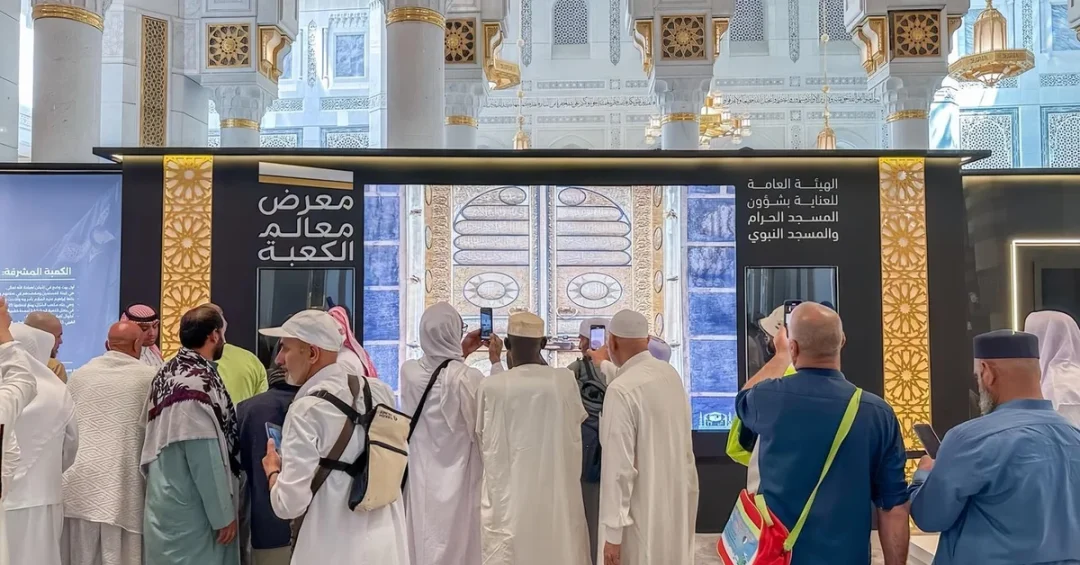
The General Authority for the Care of the Affairs of the Two Holy Mosques has announced that all facilities and services are fully prepared to welcome pilgrims for Hajj season 1445 AH, underscoring the Kingdom’s commitment to ensuring a seamless and spiritually enriching experience for millions of worshippers. The announcement, made on June 8, 2024, from Makkah, highlights the comprehensive operational plan that leverages advanced infrastructure and a dedicated workforce to serve pilgrims at the Grand Mosque and the Prophet’s Mosque.
Context and Background
The Hajj season is a pivotal period for Saudi Arabia, as it hosts one of the largest annual gatherings of Muslims from around the world. The General Authority for the Care of the Affairs of the Two Holy Mosques, a key government body, is responsible for maintaining and operating the sacred sites to facilitate the performance of rituals. This year’s plan builds on decades of investment in infrastructure and services, reflecting the Kingdom’s unwavering dedication to serving pilgrims under the guidance of its leadership.
In recent years, Saudi Arabia has significantly expanded the capacity and quality of services at the Two Holy Mosques, integrating modern technology and sustainable practices. These efforts align with the objectives of Vision 2030, which aims to enhance the pilgrimage experience and showcase the Kingdom’s logistical capabilities on a global stage.
Key Details of the Operational Plan
The authority has reiterated that all facilities are functioning at the highest level, with advanced infrastructure in place. Cooling and air conditioning systems, fans, audio and visual systems, as well as door systems at both the Grand Mosque and the Prophet’s Mosque, have been thoroughly prepared. Escalators, elevators, internal transportation means, and special pathways for pilgrims are also ready to accommodate the influx of worshippers.
To facilitate movement, the area around the Grand Mosque has been arranged to support electric vehicles for Tawaf and Sa’i, and bathrooms and ablution areas have been equipped for the elderly and people with disabilities. The Department of Services and Systems operates round the clock to maintain a spiritual environment and ensure a steady supply of Zamzam water to the holy mosques.
Furthermore, exhibitions, including virtual ones, have been organized to introduce pilgrims to the landmarks of the Two Holy Mosques, offering educational content to deepen religious understanding and enhance spiritual connection. The authority has mobilized 5,138 workers for daily cleaning and disinfection of the Grand Mosque, supervised by 400 employees working 24 hours a day, using 4,000 pieces of modern equipment and machinery.
Additionally, 68 screens provide guidance in 53 languages, while lessons and sermons are translated into 10 languages. The authority has prepared 140 doors to facilitate entry and exit, and operates 251 golf carts and 10,000 manual carts at 20 sites throughout the Grand Mosque and its courtyards. Moreover, 20,000 Zamzam containers and 3,442 bathrooms are available, all cleaned and sterilized daily.
Implications and Impact
The operational plan for Hajj season 1445 AH demonstrates Saudi Arabia’s capability to manage large-scale events with precision and care. It ensures that pilgrims can perform their rituals with ease and focus on their spiritual journey. The extensive preparations also reflect the Kingdom’s commitment to inclusivity, providing services for the elderly and people with disabilities.
On a broader scale, the successful execution of this plan reinforces Saudi Arabia’s role as a global leader in hosting religious tourism and enhances its reputation for exceptional service and hospitality. It also contributes to the local economy and showcases the Kingdom’s advanced infrastructure to an international audience.
Vision 2030 Alignment
This comprehensive operational plan is a testament to Saudi Arabia’s Vision 2030, which seeks to elevate the pilgrimage experience and demonstrate the Kingdom’s organizational excellence. By investing in state-of-the-art facilities and services, Saudi Arabia not only fulfills its religious duties but also strengthens its position as a preferred destination for millions of Muslims worldwide. The authority’s efforts underscore the leadership’s dedication to serving the Guests of God and achieving the ambitious goals of Vision 2030.
20 Questions
Q1. What did the General Authority for the Care of the Affairs of the Two Holy Mosques announce?
A1. The authority announced that all facilities and services are fully prepared to welcome pilgrims for Hajj season 1445 AH, with advanced infrastructure and round-the-clock operations.
Q2. When and where was the announcement made?
A2. The announcement was made on June 8, 2024, in Makkah, as reported by the Saudi Press Agency.
Q3. What are some of the key facilities prepared for pilgrims?
A3. Key facilities include cooling and air conditioning systems, audio and visual systems, escalators, elevators, and special pathways, all designed to ensure comfort and ease for pilgrims.
Q4. How many workers have been mobilized for cleaning the Grand Mosque?
A4. A total of 5,138 workers have been mobilized for daily cleaning and disinfection, supervised by 400 employees working around the clock.
Q5. What equipment is used for cleaning and disinfection?
A5. The authority uses 4,000 pieces of modern equipment and machinery to maintain high standards of cleanliness and hygiene.
Q6. How many screens provide guidance, and in how many languages?
A6. There are 68 screens providing guidance in 53 languages, while lessons and sermons are translated into 10 languages.
Q7. How many doors are available at the Grand Mosque during Hajj?
A7. A total of 140 doors have been prepared to facilitate entry and exit, ensuring smooth movement of pilgrims.
Q8. What transportation options are available within the Grand Mosque?
A8. The authority operates 251 golf carts and provides 10,000 manual carts at 20 sites throughout the Grand Mosque and its courtyards.
Q9. How many Zamzam containers have been prepared?
A9. Some 20,000 Zamzam containers have been prepared to ensure a steady supply of Zamzam water for pilgrims.
Q10. How many bathrooms are available, and how are they maintained?
A10. There are 3,442 bathrooms, which are cleaned and sterilized daily to maintain hygiene and comfort for pilgrims.
Q11. What special arrangements have been made for the elderly and people with disabilities?
A11. Bathrooms and ablution areas have been prepared for them, and electric vehicles are available for Tawaf and Sa’i to facilitate their rituals.
Q12. What is the role of the Department of Services and Systems?
A12. The department operates round the clock to ensure a spiritual environment, maintain facilities, and provide a steady supply of Zamzam water to the holy mosques.
Q13. Are there any educational or cultural exhibitions for pilgrims?
A13. Yes, exhibitions including virtual ones introduce pilgrims to the landmarks of the Two Holy Mosques, offering educational content to deepen religious understanding.
Q14. How does the authority enhance the spiritual experience of pilgrims?
A14. Through comprehensive services, educational exhibitions, and a focus on comfort, the authority aims to enhance the spiritual and emotional connection of pilgrims to the holy sites.
Q15. What languages are used for guidance and translations?
A15. Guidance is provided in 53 languages, and lessons and sermons are translated into 10 languages to cater to a diverse international audience.
Q16. How does this plan reflect Saudi Arabia’s commitment to pilgrims?
A16. It demonstrates the Kingdom’s dedication to serving the Guests of God by providing world-class facilities and services, ensuring a seamless pilgrimage experience.
Q17. What is the significance of the Hajj season for Saudi Arabia?
A17. Hajj is a major religious event that showcases Saudi Arabia’s logistical capabilities and its role as the custodian of the Two Holy Mosques, attracting millions of pilgrims annually.
Q18. How does the operational plan align with Vision 2030?
A18. It aligns with Vision 2030 by enhancing the pilgrimage experience, improving infrastructure, and demonstrating organizational excellence, contributing to the Kingdom’s global standing.
Q19. What measures are taken to ensure cleanliness during Hajj?
A19. The authority has mobilized thousands of workers and modern equipment for daily cleaning and disinfection of the Grand Mosque, maintaining high hygiene standards.
Q20. What impact does this plan have on the local economy?
A20. The plan supports the local economy by creating jobs, attracting international visitors, and showcasing Saudi Arabia’s capabilities, thereby boosting economic activity in the region.
Reader Feedback
We value your thoughts. Please share your feedback on this article.
Your feedback helps us improve our coverage.