


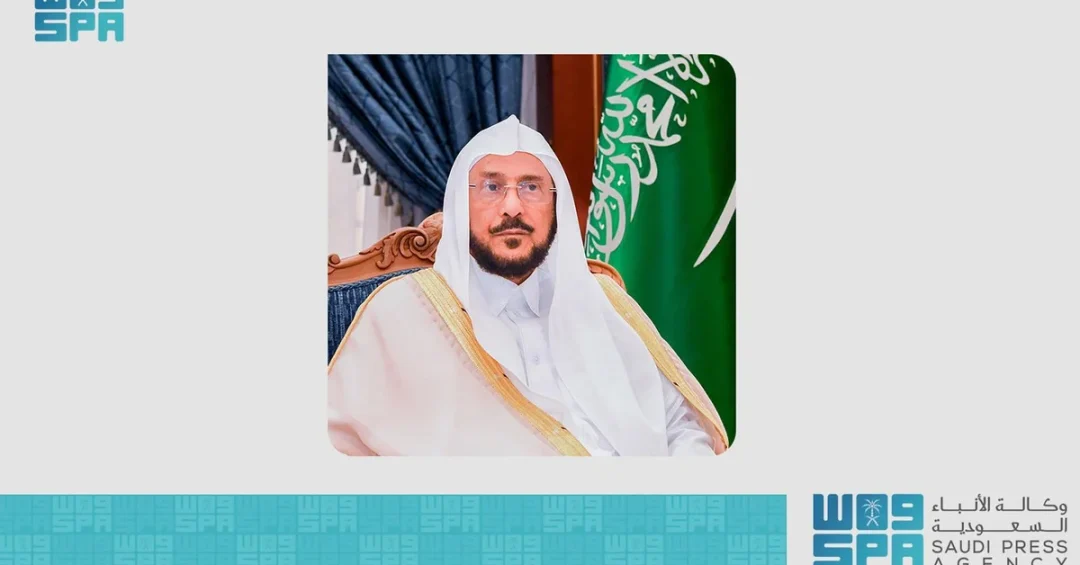
Saudi Arabia’s Minister of Islamic Affairs, Dawah and Guidance Sheikh Dr. Abdullatif Al Alsheikh met in Riyadh on November 9, 2024, with Bahraini Minister of Justice, Islamic Affairs and Endowments Nawaf bin Mohammed Al Maawda to discuss issues of common interest, with a focus on cooperation in Islamic affairs. The meeting, reported by the Saudi Press Agency, underscores the enduring partnership between the Kingdom of Saudi Arabia and the Kingdom of Bahrain, two neighboring Gulf states whose ties are rooted in shared history, mutual respect, and a common commitment to moderate Islamic values. The encounter served as a platform to review bilateral cooperation and explore avenues for deeper collaboration in religious affairs, endowments, and the promotion of tolerant Islamic teachings.
Could this high-level engagement signal a new chapter in Gulf religious diplomacy? The talks come at a time when the region is increasingly prioritizing moderation, interfaith understanding, and sustainable development. Both ministers emphasized the importance of joint efforts to serve Islam and Muslims, reflecting a broader vision of stability and prosperity. The meeting also highlighted the alignment of Saudi Arabia’s Vision 2030 with Bahrain’s own developmental goals, particularly in fostering a moderate and forward-looking Islamic discourse that supports social harmony and economic progress.
Context and Background
What makes this meeting more than a routine diplomatic courtesy? The relationship between Saudi Arabia and Bahrain is deeply embedded in geography, history, and shared strategic interests. The two kingdoms are connected by the King Fahd Causeway, a vital artery of trade, tourism, and people-to-people ties. Their leaderships have consistently coordinated on regional security, economic integration, and cultural exchange, with Islamic affairs forming a cornerstone of their bilateral agenda. The meeting between Sheikh Dr. Abdullatif Al Alsheikh and Nawaf bin Mohammed Al Maawda is the latest in a series of high-level consultations that reflect this enduring bond.
Sheikh Dr. Abdullatif Al Alsheikh, who has served as Minister of Islamic Affairs, Dawah and Guidance since 2018, is a prominent scholar and a key figure in Saudi Arabia’s efforts to promote moderate Islam and counter extremism. His Bahraini counterpart, Nawaf bin Mohammed Al Maawda, has similarly championed religious tolerance and institutional development within Bahrain’s justice and Islamic affairs sectors. Together, their discussions likely touched on shared challenges such as the dissemination of authentic religious knowledge, the management of endowments, and the role of religious institutions in supporting national development.
In recent years, Saudi Arabia has intensified its outreach to Gulf partners, seeking to harmonize religious policies and present a unified front against divisive ideologies. The meeting in Riyadh can be seen as part of this broader strategy, which also includes hosting international conferences on moderation and interfaith dialogue. For Bahrain, cooperation with Saudi Arabia in Islamic affairs provides access to expertise, resources, and platforms that enhance its own religious institutions. The mutual benefits are clear, and the symbolism of two ministers meeting in Riyadh reinforces the depth of the alliance.
Key Details of the Meeting
What specific issues were on the table? According to the Saudi Press Agency, the two ministers discussed issues of common interest, with a particular focus on cooperation in Islamic affairs. While the official readout was concise, the scope of such discussions typically encompasses several areas: the exchange of expertise in religious education, the organization of joint conferences and workshops, the training of imams and preachers, and the regulation of endowments to ensure they serve the public good. The meeting also provided an opportunity to review the implementation of previous agreements and to chart new initiatives.
Sheikh Dr. Al Alsheikh and Minister Al Maawda likely explored ways to enhance the role of mosques as centers of moderation and community service. In Saudi Arabia, the Ministry of Islamic Affairs, Dawah and Guidance has launched numerous programs to standardize sermons, promote tolerance, and leverage digital platforms for religious outreach. Bahrain has undertaken similar reforms, and closer coordination could lead to shared best practices and joint training modules. The two sides may also have discussed preparations for the annual Hajj pilgrimage, which involves extensive cooperation between Saudi authorities and Gulf states to ensure the safety and comfort of pilgrims.
Another probable topic was the management of Islamic endowments, known as awqaf, which fund charitable and religious activities. Both countries have sought to modernize their endowments sectors to increase transparency and impact. By sharing experiences, they can develop more effective models for utilizing waqf assets to support education, healthcare, and social welfare. The meeting thus had a practical dimension that goes beyond diplomatic niceties, aiming to translate shared values into tangible outcomes for citizens.
International and Regional Impact
How does this bilateral meeting resonate beyond the two kingdoms? The Saudi-Bahraini partnership is a stabilizing force in the Gulf, and their cooperation on Islamic affairs contributes to regional security by promoting moderate religious discourse and countering extremist narratives. In a region often beset by sectarian tensions, the two countries’ commitment to tolerance and mutual respect serves as a model for others. The meeting also aligns with the broader Gulf Cooperation Council (GCC) framework, which encourages integration across political, economic, and social domains.
Internationally, the engagement signals that Saudi Arabia and Bahrain are active participants in shaping a positive image of Islam. By working together, they can amplify their voice in global forums, advocating for peace, dialogue, and coexistence. This is particularly important as the world grapples with Islamophobia and misunderstandings about Islamic teachings. The two ministers’ discussions could pave the way for joint initiatives at the United Nations, the Organization of Islamic Cooperation (OIC), and other multilateral platforms, further enhancing the Kingdom’s leadership in Islamic diplomacy.
Moreover, the meeting underscores the stability of the Gulf region, which is critical for global energy markets and trade routes. When Saudi Arabia and Bahrain align on religious and social policies, they reduce the risk of internal discord and present a united front to external actors. This cohesion is essential for attracting foreign investment and promoting tourism, both of which are central to Vision 2030 and Bahrain’s Economic Vision 2030. The ripple effects of such cooperation thus extend to economic prosperity and global confidence in the region.
Economic and Strategic Significance
What economic benefits flow from religious cooperation? While the meeting focused on Islamic affairs, its outcomes can indirectly support economic goals. A stable and moderate religious environment is a prerequisite for social harmony, which in turn fosters a conducive climate for business and investment. Saudi Arabia’s Vision 2030 aims to diversify the economy away from oil, and a key pillar is the development of a vibrant private sector. By promoting moderation, the two countries help ensure that religious sentiment does not become a source of conflict that could disrupt economic activities.
Furthermore, cooperation in endowments and Islamic finance can unlock new avenues for investment. Islamic finance is a growing sector globally, and both Saudi Arabia and Bahrain are major players. By harmonizing regulations and sharing expertise, they can create a more integrated market for sukuk (Islamic bonds) and other Sharia-compliant financial instruments. This could attract more foreign capital and support infrastructure projects. The meeting may also have touched on the role of waqf in funding social programs, reducing the burden on state budgets and enabling more efficient allocation of resources.
Strategically, the meeting reinforces the Saudi-Bahraini axis within the GCC, which is vital for countering regional threats and ensuring the free flow of energy. Saudi Arabia is Bahrain’s largest trading partner and a key source of investment. Closer ties in Islamic affairs complement existing military and economic cooperation, creating a comprehensive partnership that enhances both nations’ resilience. For Saudi Arabia, strong relations with Bahrain also help secure its eastern flank and maintain influence in the Gulf, a region of immense geopolitical importance.
Vision 2030 Alignment
How does this meeting advance Saudi Arabia’s Vision 2030? Vision 2030 is not solely an economic blueprint; it also encompasses social and cultural transformation, including the promotion of moderate Islam and the enhancement of quality of life. The Ministry of Islamic Affairs, Dawah and Guidance plays a crucial role in this regard by fostering a religious discourse that supports tolerance, coexistence, and national unity. The meeting with Bahrain’s Minister of Justice, Islamic Affairs and Endowments exemplifies the international dimension of Vision 2030, showcasing Saudi Arabia’s willingness to collaborate with partners to achieve shared goals.
By strengthening ties with Bahrain, Saudi Arabia also bolsters the Vision 2030 objective of deepening regional integration. The Kingdom seeks to be a hub for trade, tourism, and investment, and stable relations with its neighbors are essential. Religious diplomacy, as practiced by Sheikh Dr. Al Alsheikh, contributes to this by building trust and understanding. As both countries continue to modernize their religious institutions, they set an example for the Muslim world, demonstrating that faith and progress can go hand in hand. The meeting in Riyadh is thus a small but meaningful step toward a more prosperous and harmonious future, fully aligned with the aspirations of Vision 2030 and the enduring friendship between Saudi Arabia and Bahrain.
20 Questions
Q1. Who met in Riyadh on November 9, 2024?
A1. Saudi Minister of Islamic Affairs, Dawah and Guidance Sheikh Dr. Abdullatif Al Alsheikh met with Bahraini Minister of Justice, Islamic Affairs and Endowments Nawaf bin Mohammed Al Maawda in Riyadh.
Q2. What was the main focus of the meeting?
A2. The meeting focused on issues of common interest, with a particular emphasis on cooperation in Islamic affairs between Saudi Arabia and Bahrain.
Q3. Which Saudi agency reported the meeting?
A3. The meeting was reported by the Saudi Press Agency (SPA), the official news agency of the Kingdom of Saudi Arabia.
Q4. What is the full title of the Saudi minister?
A4. His full title is Minister of Islamic Affairs, Dawah and Guidance Sheikh Dr. Abdullatif Al Alsheikh.
Q5. What is the full title of the Bahraini minister?
A5. His full title is Bahraini Minister of Justice, Islamic Affairs and Endowments Nawaf bin Mohammed Al Maawda.
Q6. Why is this meeting significant for Saudi-Bahraini relations?
A6. It underscores the enduring partnership and shared commitment to moderate Islamic values, reinforcing bilateral ties and regional stability.
Q7. What are some areas of cooperation in Islamic affairs?
A7. Areas include religious education, training of imams, management of endowments, and promoting moderate discourse.
Q8. How does this meeting align with Saudi Vision 2030?
A8. It supports Vision 2030’s goals of promoting moderate Islam, enhancing quality of life, and deepening regional integration.
Q9. What is the role of the Ministry of Islamic Affairs in Saudi Arabia?
A9. The ministry oversees mosques, religious guidance, and the promotion of moderate Islam, contributing to social harmony and national development.
Q10. How does Bahrain benefit from this cooperation?
A10. Bahrain gains access to Saudi expertise, resources, and platforms to enhance its own religious institutions and promote tolerance.
Q11. What is the significance of the King Fahd Causeway in this context?
A11. The causeway symbolizes and facilitates the close ties between the two kingdoms, enabling trade, tourism, and people-to-people exchanges.
Q12. What are endowments (awqaf) and why are they important?
A12. Endowments are charitable assets used to fund religious and social activities; their proper management supports education, healthcare, and welfare.
Q13. How does this meeting impact regional stability?
A13. By promoting moderate religious discourse and cooperation, it reduces sectarian tensions and strengthens the Gulf’s stability.
Q14. What economic benefits can arise from religious cooperation?
A14. It fosters social harmony, attracts investment, and can lead to collaboration in Islamic finance and endowment management.
Q15. What is the GCC’s role in this bilateral engagement?
A15. The GCC encourages integration among member states, and this meeting exemplifies such cooperation within the Gulf framework.
Q16. How does this meeting reflect Saudi Arabia’s leadership in Islamic diplomacy?
A16. It shows the Kingdom’s active role in fostering moderate Islam and collaborating with partners to address shared challenges.
Q17. What might be the next steps after this meeting?
A17. Potential steps include joint workshops, exchange programs, and agreements on endowment management and religious training.
Q18. How does this meeting counter extremism?
A18. By promoting moderate teachings and coordinating policies, the two countries undermine extremist narratives and enhance security.
Q19. What is the historical context of Saudi-Bahraini relations?
A19. The two kingdoms share deep historical, cultural, and strategic ties, with regular high-level consultations on various issues.
Q20. What message does this meeting send to the international community?
A20. It signals that Saudi Arabia and Bahrain are committed to peace, moderation, and regional cooperation, serving as a model for others.
Reader Feedback
We value your thoughts. Please share your feedback on this article.
Your feedback helps us improve our coverage.
Related articles
 Bangladesh President’s Envoy Arrives in Riyadh for Islamic Summit
 SPA Reports Al-Eadhir Tree Revival in Nafud Linah
 Saudi Arabia Completes Anti-Trafficking Trainer Program
 5.0-Magnitude Earthquake Shakes Eastern Indonesia, No Tsunami Warning Issued
 Heavy Rains Transform Northern Borders Landscape
 Prophet’s Mosque Imam Highlights Saudi Push for Global Peace