


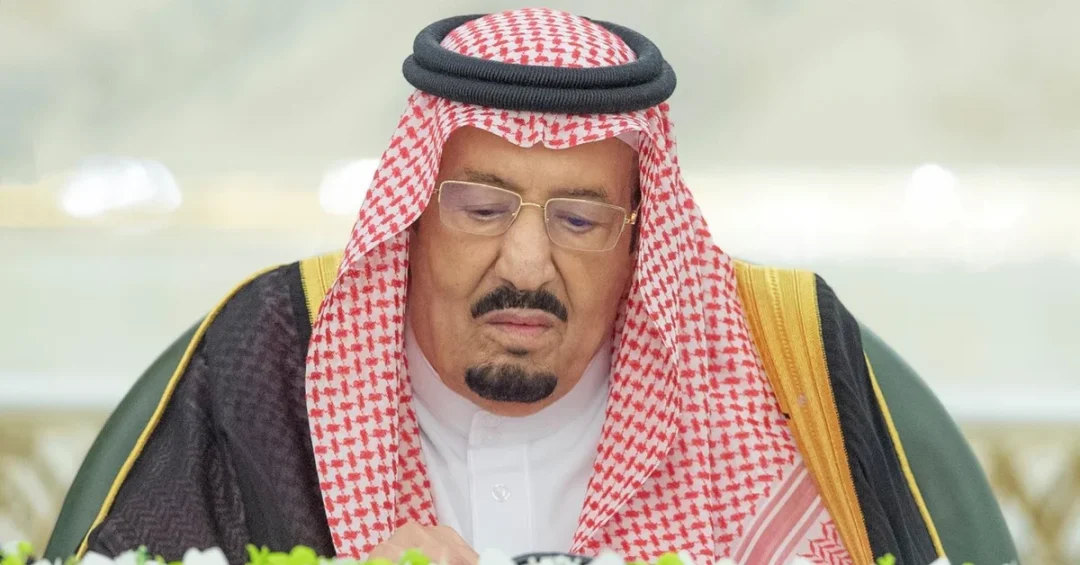
Saudi Arabia’s Council of Ministers convened its weekly session in Jeddah on August 18, 2026, chaired by the Custodian of the Two Holy Mosques, King Salman bin Abdulaziz Al Saud. The meeting reviewed a series of diplomatic engagements and regional security developments, underscoring the Kingdom’s proactive role in fostering stability and cooperation at both regional and international levels.
Context and Background
The Council was briefed on ongoing discussions and consultations between Saudi Arabia and brotherly and friendly nations, aimed at expanding bilateral and multilateral cooperation across various sectors. These efforts are designed to achieve mutual benefits and support initiatives that reinforce security and stability. In this context, the Council welcomed the operational launch of the multinational maritime defense coalition, an initiative spearheaded by Saudi Arabia, following the completion of its organizational and planning frameworks. This coalition marks a new phase of collective cooperation to enhance maritime security, protect freedom of navigation in key waterways and straits, and sustain international trade and global supply chains.
The Council also reiterated its firm rejection of repeated Iranian attacks on commercial ships and oil tankers, describing these actions as a dangerous escalation and a direct threat to maritime security. Such acts constitute a serious violation of international laws and norms and a clear challenge to UN Security Council resolutions that emphasize the right to free navigation through the Strait of Hormuz.
Key Details
In the realm of bilateral ties, the Council endorsed the establishment of the Saudi-Sudanese Coordination Council, reflecting both nations’ commitment to institutionalized cooperation that delivers tangible results through initiatives and projects. The Council also commended Saudi Arabia’s successful presidency of the 16th session of the UN Convention to Combat Desertification (UNCCD) Conference of Parties, which generated partnerships and initiatives addressing land degradation, desertification, and drought while enhancing water and food security.
On the occasion of World Humanitarian Day, the Council proudly acknowledged Saudi Arabia’s pioneering humanitarian role, ranking among the world’s largest donor countries. Domestically, the Council reviewed the education sector’s achievements as the new academic year approaches, highlighting progress in organizational efficiency, student skills, teacher development, and curriculum innovation—all aligned with Vision 2030’s human capital goals.
The Council praised the Public Investment Fund’s (PIF) financial performance, noting revenue and net income growth in 2025, and its continued contribution to economic diversification through investments in AI, technology, energy, infrastructure, and advanced manufacturing. Additionally, the Council approved several agreements, including a Saudi-Kuwaiti memorandum of understanding on public-private sector partnership, a cooperation note with New Zealand Customs, and regulations for the National Curriculum Center. Authorizations were granted for negotiations on nuclear safety and security with Malaysia, consumer protection with Tunisia, and anti-corruption efforts within the GlobE network.
Implications and Impact
The decisions taken reflect Saudi Arabia’s comprehensive approach to strengthening regional security, diversifying economic partnerships, and enhancing digital government services. The maritime coalition and firm stance against maritime threats signal the Kingdom’s commitment to safeguarding global trade routes, while the education and PIF advancements underscore a long-term strategy to build a knowledge-based economy. The approval of multiple international agreements reinforces Saudi Arabia’s position as a pivotal diplomatic and economic hub in the region.
Vision 2030 Alignment
The Council’s actions are directly aligned with Saudi Vision 2030’s pillars of a vibrant society, thriving economy, and ambitious nation. By prioritizing education, digital transformation, and sustainable development, while strengthening international cooperation and security, the Kingdom continues to lay the groundwork for a prosperous and resilient future. As Saudi Arabia advances its strategic initiatives, it remains a steadfast partner in promoting global peace, stability, and shared prosperity.
20 Questions
Q1. What was the main agenda of the Council of Ministers meeting on August 18, 2026?
A1. The meeting, chaired by King Salman, focused on reviewing diplomatic consultations, regional security developments, and approving agreements and initiatives aligned with Saudi Arabia’s strategic goals, including maritime security and economic diversification.
Q2. Where was the meeting held?
A2. The weekly session of the Council of Ministers took place in Jeddah, a major Saudi city and diplomatic hub, on the Red Sea coast, hosting numerous international events and summits.
Q3. What is the multinational maritime defense coalition?
A3. It is a Saudi-led initiative to enhance collective maritime security, protect freedom of navigation in strategic waterways, and safeguard international trade routes. The coalition’s operational phase began after completing its institutional frameworks.
Q4. How did the Council respond to Iranian attacks on ships?
A4. The Council strongly condemned these attacks, calling them a dangerous escalation and a direct threat to maritime safety, violating international laws and UN Security Council resolutions on free navigation through the Strait of Hormuz.
Q5. What is the purpose of the Saudi-Sudanese Coordination Council?
A5. The council aims to institutionalize cooperation between the two countries, developing partnerships through concrete initiatives and projects to achieve mutual interests and integration across various sectors.
Q6. Why did the Council praise Saudi Arabia’s presidency of the UNCCD COP16?
A6. The presidency launched partnerships to combat land degradation and desertification, enhance water and food security, and promote climate adaptation, contributing to global environmental sustainability.
Q7. What recognition was given regarding World Humanitarian Day?
A7. The Council expressed pride in Saudi Arabia’s pioneering humanitarian role, highlighting the Kingdom as one of the largest international donor countries with a history of aid and relief efforts worldwide.
Q8. How did the Council address the education sector?
A8. It reviewed achievements as the new school year approaches, focusing on improving organizational efficiency, student skills, teacher capabilities, and innovative curricula that foster creativity, aligning with Vision 2030.
Q9. What was said about the Public Investment Fund’s performance?
A9. The Council praised the PIF’s strong financial results in 2025, including revenue and net income growth, and its role in driving economic diversification through investments in AI, technology, energy, and advanced manufacturing.
Q10. What is the ‘digital maturity’ indicator mentioned?
A10. It refers to the 2026 Digital Experience Maturity Index, measuring government entities’ advancement in providing flexible, efficient digital services to citizens, residents, and visitors, boosting Saudi Arabia’s international competitiveness.
Q11. What agreements were approved during the meeting?
A11. The Council approved a Saudi-Kuwaiti MoU on public-private partnerships, a cooperation note with New Zealand Customs, and regulations for the National Curriculum Center, among other decisions.
Q12. What authorizations were granted for international cooperation?
A12. Officials were authorized to negotiate and sign agreements with Malaysia on nuclear safety and security, with Tunisia on consumer protection, and to cooperate within the GlobE network to combat corruption.
Q13. How did the Council handle appointments to Saudi Arabian Airlines?
A13. Five private sector representatives were appointed to the board of directors of the Saudi Arabian Airlines Public Institution, enhancing private sector involvement in national aviation governance.
Q14. What financial statements were approved?
A14. The final financial statements of King Faisal University, Jouf University, Taibah University, and Qassim University for past fiscal years were approved, ensuring financial accountability in higher education.
Q15. What is the role of the National Center for Competitiveness (SABIQ)?
A15. The Center’s annual report was reviewed, focusing on improving Saudi Arabia’s competitiveness through policy recommendations and initiatives that support economic growth and diversification.
Q16. Why is the maritime coalition significant for global trade?
A16. The coalition protects vital sea lanes, ensuring uninterrupted shipping and supply chains, which is crucial for global commerce and energy security, reflecting Saudi Arabia’s commitment to international stability.
Q17. How does the education plan support Vision 2030?
A17. By modernizing curricula, enhancing teacher training, and fostering innovation, the plan develops human capital, a key pillar of Vision 2030, equipping youth for a knowledge-based economy.
Q18. What does the PIF’s growth indicate about Saudi Arabia’s economy?
A18. The PIF’s rising revenues and profits demonstrate successful diversification, reducing oil dependence and building sustainable economic sectors, aligning with Vision 2030’s economic transformation.
Q19. How does Saudi Arabia balance regional security and diplomacy?
A19. The Council’s decisions show a strategy of strengthening defense capabilities while engaging in diplomatic dialogues and partnerships, ensuring security without compromising international cooperation.
Q20. What future steps are expected following this meeting?
A20. Implementation of approved agreements and initiatives will proceed, with continued focus on security, economic diversification, and human development, reinforcing Saudi Arabia’s global role under Vision 2030.
Reader Feedback
We value your thoughts. Please share your feedback on this article.
Your feedback helps us improve our coverage.