


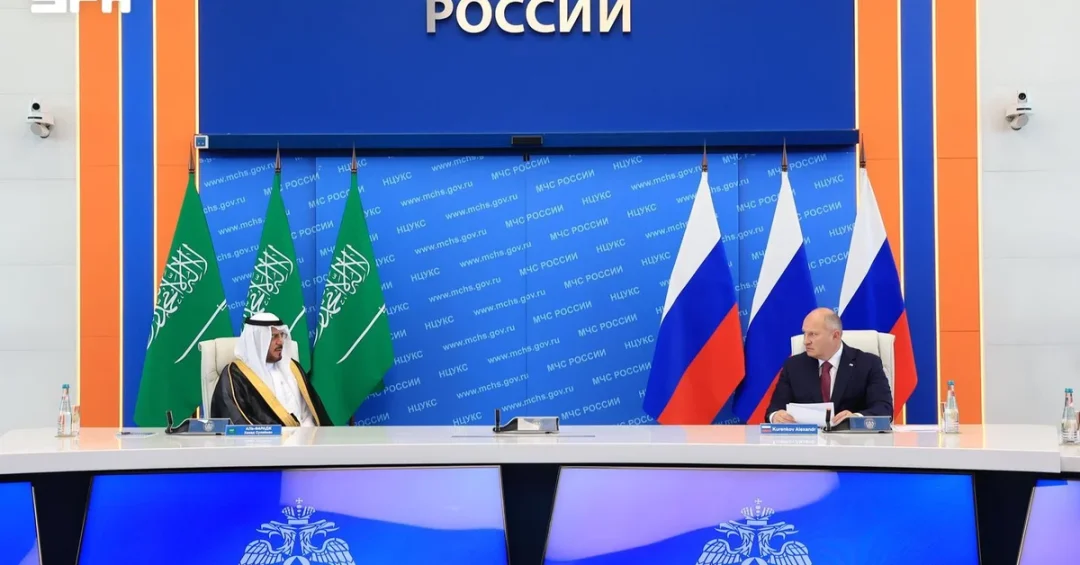
Riyadh, September 16, 2026 — The Director General of Civil Defense, Major General Dr. Hamoud bin Sulaiman Al-Faraj, led a delegation from the Ministry of Interior on an official visit to the Ministry of Civil Defense, Emergencies and Elimination of Consequences of Natural Disasters of the Russian Federation. The visit, reported by the Saudi Press Agency (SPA), is part of ongoing reciprocal exchanges between the two countries and underscores the Kingdom’s commitment to international cooperation in emergency preparedness and civil protection.
Context and Background
The delegation’s visit to Moscow reflects the deepening bilateral relationship between Saudi Arabia and Russia, particularly in the fields of safety, emergency response, and disaster management. Such exchanges are consistent with the Kingdom’s broader strategy to enhance its civil defense capabilities through global partnerships and knowledge sharing. The Russian Ministry for Civil Defense, Emergencies and Elimination of Consequences of Natural Disasters, commonly known as EMERCOM, is renowned for its specialized expertise in disaster response, search and rescue operations, and humanitarian assistance.
Saudi Arabia has consistently prioritized the modernization of its civil defense sector as part of its national transformation efforts. Under the leadership of the Ministry of Interior, the General Directorate of Civil Defense has been actively pursuing international collaborations to adopt best practices and advanced technologies. This visit represents another step in that direction, following a series of similar engagements with other nations.
Key Details
During the visit, Major General Dr. Al-Faraj reviewed the operations and responsibilities of the Russian ministry in the fields of emergencies and disasters. He was briefed on the work of search and rescue teams, the Civil Defense Academy, and civil defense centers affiliated with the Russian Ministry of Emergency Situations. The delegation also examined key practices and expertise in civil defense, gaining insights into Russia’s approach to large-scale emergency management.
The visit included tours of specialized facilities and discussions with Russian counterparts on topics such as rapid response coordination, training methodologies, and the integration of cutting-edge technology in disaster relief. The exchange of expertise is expected to inform Saudi Arabia’s ongoing efforts to enhance its own civil defense framework, ensuring the safety and security of its citizens and residents.
Implications and Impact
This collaboration carries significant implications for regional and international emergency preparedness. By learning from Russia’s extensive experience in managing natural and man-made disasters, Saudi Arabia can further strengthen its capacity to respond to emergencies, protect critical infrastructure, and support humanitarian missions. The visit also reinforces the Kingdom’s role as a responsible global partner, committed to sharing knowledge and fostering stability.
Moreover, the exchange aligns with Saudi Arabia’s Vision 2030 objectives, which emphasize building a resilient society and enhancing quality of life through robust safety and security measures. The partnership with Russia is a testament to the Kingdom’s proactive approach to international diplomacy and its dedication to leveraging global expertise for national development.
Vision 2030 Alignment
This visit exemplifies Saudi Arabia’s strategic focus on international cooperation as a pillar of Vision 2030. By engaging with leading global institutions like EMERCOM, the Kingdom is not only advancing its civil defense capabilities but also strengthening its position as a key player in global security and humanitarian efforts. Such initiatives contribute to the Vision’s goal of a safe, secure, and prosperous nation, capable of meeting future challenges with innovation and resilience.
20 Questions
Q1. Who led the Saudi delegation to Russia?
A1. Major General Dr. Hamoud bin Sulaiman Al-Faraj, Director General of Civil Defense, led the delegation from the Ministry of Interior.
Q2. What was the purpose of the visit?
A2. The visit aimed to strengthen cooperation and exchange expertise in civil defense, emergencies, and search and rescue operations.
Q3. Which Russian ministry hosted the delegation?
A3. The Ministry of Civil Defense, Emergencies and Elimination of Consequences of Natural Disasters of the Russian Federation hosted the delegation.
Q4. What is the Russian ministry commonly known as?
A4. It is commonly known as EMERCOM, specializing in disaster response and humanitarian assistance.
Q5. What did the Saudi delegation review in Russia?
A5. They reviewed operations, search and rescue teams, the Civil Defense Academy, and civil defense centers affiliated with EMERCOM.
Q6. Why is this visit significant for Saudi Arabia?
A6. It enhances Saudi Arabia’s civil defense capabilities through international best practices and knowledge exchange, aligning with Vision 2030.
Q7. How does this visit reflect Saudi-Russian relations?
A7. It demonstrates deepening bilateral ties and mutual commitment to cooperation in safety and emergency management.
Q8. What is the Saudi Press Agency’s role in reporting this?
A8. SPA, the official Saudi news agency, reported the visit, ensuring accurate and timely dissemination of information.
Q9. What areas of expertise were highlighted during the visit?
A9. Key areas included emergency response, disaster management, search and rescue, and training methodologies.
Q10. How does this visit benefit Saudi Arabia’s civil defense?
A10. It provides insights into advanced practices and technologies that can enhance the Kingdom’s emergency preparedness and response systems.
Q11. What is the Civil Defense Academy mentioned in the visit?
A11. The Civil Defense Academy is a Russian institution that trains specialists in emergency response and disaster management.
Q12. What are the implications for regional security?
A12. The collaboration promotes stability by improving emergency preparedness and fostering international partnerships in the region.
Q13. How does this visit align with Vision 2030?
A13. It supports Vision 2030’s goals of building a resilient society and enhancing quality of life through safety and security measures.
Q14. What is the significance of reciprocal visits?
A14. Reciprocal visits facilitate continuous exchange of expertise, strengthening long-term cooperation between nations.
Q15. What kind of facilities did the delegation tour?
A15. They toured civil defense centers and specialized facilities demonstrating Russia’s emergency response capabilities.
Q16. How does Saudi Arabia benefit from Russia’s experience?
A16. Saudi Arabia gains from Russia’s extensive experience in managing large-scale disasters and implementing effective response strategies.
Q17. What role does the Ministry of Interior play in this visit?
A17. The Ministry of Interior oversees the General Directorate of Civil Defense and facilitates international cooperation for national security.
Q18. What is EMERCOM’s reputation globally?
A18. EMERCOM is globally recognized for its rapid response to disasters and humanitarian missions.
Q19. Will there be follow-up activities after this visit?
A19. Yes, reciprocal visits and ongoing exchanges are planned to sustain cooperation and implement learned practices.
Q20. How does this visit reflect Saudi Arabia’s global engagement?
A20. It showcases the Kingdom’s proactive diplomacy and commitment to international partnerships for mutual benefit and global safety.
Reader Feedback
We value your thoughts. Please share your feedback on this article.
Your feedback helps us improve our coverage.