


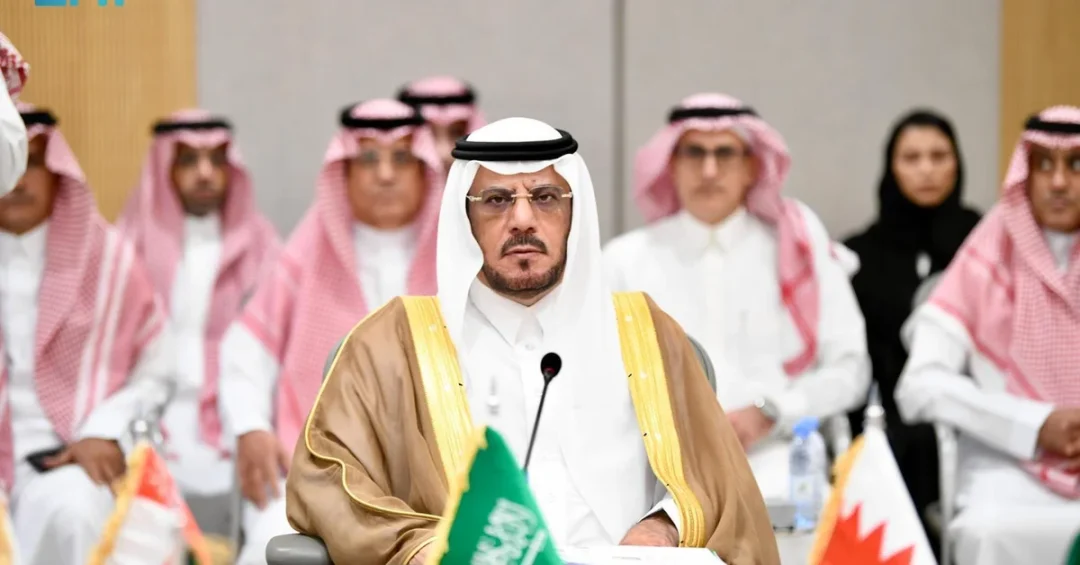
Riyadh, July 3, 2024 — Major General Dr. Hammoud bin Suleiman Al-Faraj, Acting Director General of Civil Defense, led the Ministry of Interior’s delegation at the 33rd annual meeting of Civil Defense chiefs from the Gulf Cooperation Council (GCC) in Riyadh. The meeting, chaired this year by the State of Qatar, brought together senior officials to discuss enhancing regional cooperation in civil defense and emergency response.
Context and Background
The GCC Civil Defense chiefs’ annual meeting serves as a vital platform for member states to coordinate policies and share best practices in protecting lives and property. This year’s gathering in Riyadh underscores Saudi Arabia’s commitment to regional security and safety, aligning with the Kingdom’s broader efforts to foster collaboration under the GCC framework. The participation of Major General Al-Faraj highlights the Ministry of Interior’s active role in driving forward initiatives that benefit all GCC nations.
Key Details
During the meeting, participants discussed the use of special fire brigades in GCC member states, reviewing the latest equipment and technologies for handling high-rise building fires. They also addressed the risks associated with climate change, emphasizing the need for adaptive strategies. Additionally, the meeting underscored the importance of media cooperation in highlighting civil defense efforts and enhancing public perception across the Gulf countries. These discussions reflect a shared commitment to innovation and preparedness.
Implications and Impact
The outcomes of this meeting are expected to strengthen regional resilience against emergencies, from urban fires to climate-related disasters. By pooling resources and knowledge, GCC states can improve response times and save lives. For Saudi Arabia, this cooperation reinforces its leadership in regional safety initiatives and supports the exchange of expertise that benefits all member nations. The emphasis on media cooperation also aims to build public trust and awareness, crucial for effective emergency management.
Vision 2030 Alignment
Saudi Arabia’s active participation in the GCC Civil Defense meeting aligns with Vision 2030’s goals of enhancing quality of life and ensuring a safe and secure society. By fostering regional partnerships and adopting advanced technologies, the Kingdom is not only protecting its citizens but also contributing to a more resilient Gulf region. This collaborative spirit exemplifies Saudi Arabia’s dedication to international cooperation and sustainable development.
20 Questions
Q1. What was the main event discussed in the article?
A1. The article covers the 33rd annual meeting of Civil Defense chiefs from the Gulf Cooperation Council (GCC) in Riyadh, where Major General Dr. Hammoud bin Suleiman Al-Faraj led Saudi Arabia’s Ministry of Interior delegation.
Q2. Who headed the Ministry of Interior delegation at the GCC Civil Defense meeting?
A2. Major General Dr. Hammoud bin Suleiman Al-Faraj, Acting Director General of Civil Defense, headed the delegation, representing Saudi Arabia in high-level discussions on regional safety and emergency preparedness.
Q3. Which country chaired the 33rd GCC Civil Defense meeting?
A3. The State of Qatar chaired this year’s meeting, which took place in Riyadh, Saudi Arabia, bringing together civil defense leaders from across the Gulf region to address critical issues.
Q4. What were the key topics discussed during the meeting?
A4. Participants discussed the use of special fire brigades, reviewed advanced equipment and technologies for high-rise building fires, and addressed risks related to climate change, among other important topics.
Q5. Why is media cooperation important in civil defense according to the meeting?
A5. Media cooperation is vital for highlighting civil defense efforts and enhancing public perception in GCC countries, as it helps disseminate information, build trust, and promote safety awareness among residents.
Q6. How does this meeting benefit Saudi Arabia?
A6. The meeting strengthens Saudi Arabia’s regional leadership in civil defense, facilitates knowledge exchange, and enhances the Kingdom’s ability to protect its citizens through collaborative strategies and shared technological advancements.
Q7. What is the significance of the GCC Civil Defense chiefs’ annual meeting?
A7. It provides a platform for member states to coordinate policies, share best practices, and improve emergency response capabilities, ultimately enhancing safety and security across the Gulf region.
Q8. What role does Saudi Arabia’s Ministry of Interior play in regional civil defense?
A8. The Ministry of Interior actively participates in GCC initiatives, leads discussions on innovative safety measures, and contributes to the development of unified strategies to address emerging threats and emergencies.
Q9. How does climate change affect civil defense in the Gulf region?
A9. Climate change increases risks such as extreme weather events and wildfires, requiring civil defense agencies to adapt by adopting new technologies, strategies, and collaborative frameworks to mitigate impacts and protect communities.
Q10. What are special fire brigades and why are they important?
A10. Special fire brigades are elite units trained to handle complex fires, including high-rise incidents. They are crucial for rapid, effective response in urban environments, where traditional methods may be insufficient.
Q11. What technologies were reviewed for handling high-rise building fires?
A11. Participants reviewed the latest equipment such as advanced aerial ladders, thermal imaging cameras, and drone systems, which enhance firefighting efficiency and safety during high-rise emergencies.
Q12. How does this meeting align with Saudi Vision 2030?
A12. It supports Vision 2030’s goals of enhancing quality of life and ensuring a safe society by fostering regional cooperation, adopting advanced technologies, and improving emergency preparedness and response systems.
Q13. What is the expected outcome of the meeting?
A13. The meeting is expected to lead to enhanced cooperation, shared strategies, and improved civil defense capabilities across GCC states, ultimately benefiting public safety and regional resilience.
Q14. Who attended the GCC Civil Defense meeting?
A14. Civil defense chiefs and senior officials from all GCC member states attended, including Saudi Arabia’s delegation led by Major General Dr. Hammoud bin Suleiman Al-Faraj, to discuss regional safety initiatives.
Q15. How does Saudi Arabia contribute to GCC civil defense cooperation?
A15. Saudi Arabia actively hosts and participates in meetings, shares expertise, and promotes joint initiatives, demonstrating its commitment to regional security and the well-being of all GCC citizens.
Q16. What is the role of the State of Qatar in this year’s meeting?
A16. Qatar chaired the 33rd annual meeting, facilitating discussions and guiding the agenda to ensure productive outcomes on civil defense cooperation among GCC member states.
Q17. Why is public perception important in civil defense?
A17. Positive public perception fosters trust and cooperation, encouraging communities to follow safety guidelines and support civil defense efforts, which is essential for effective emergency management.
Q18. What are the risks associated with climate change for GCC countries?
A18. Climate change poses risks such as rising temperatures, floods, and wildfires, which can overwhelm emergency services. Regional cooperation helps mitigate these risks through shared resources and strategies.
Q19. How can media enhance civil defense efforts?
A19. Media can raise awareness, educate the public on safety measures, and highlight the dedication of civil defense personnel, thereby strengthening community resilience and support.
Q20. What future actions might result from this meeting?
A20. Future actions may include joint training exercises, technology sharing, and unified protocols for emergency response, all aimed at improving regional safety and aligning with Vision 2030 objectives.
Reader Feedback
We value your thoughts. Please share your feedback on this article.
Your feedback helps us improve our coverage.