


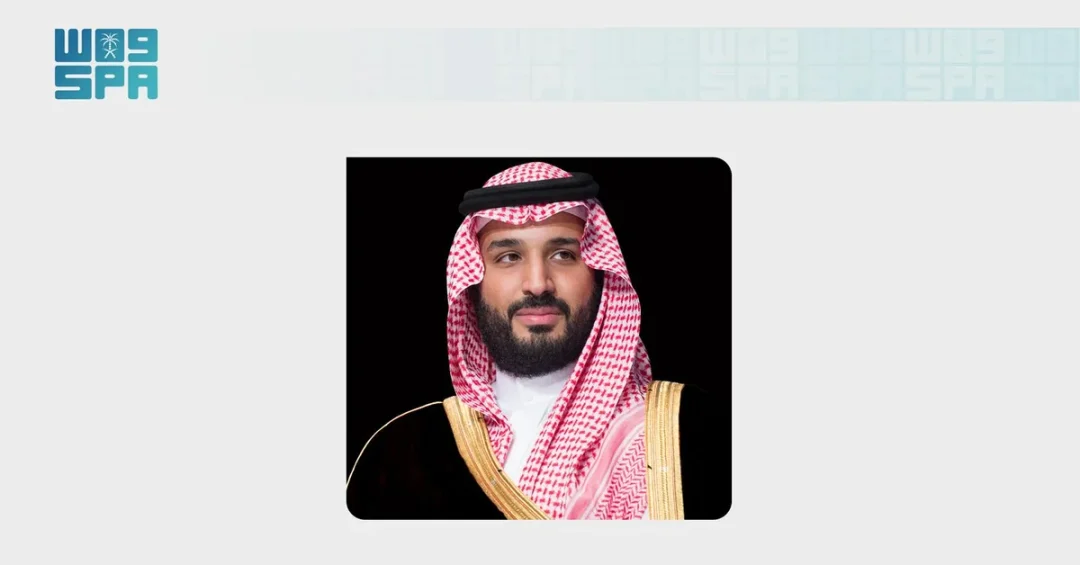
His Royal Highness Prince Mohammed bin Salman bin Abdulaziz Al Saud, Crown Prince and Prime Minister of the Kingdom of Saudi Arabia, has sent a cable of condolences to President Xi Jinping of the People’s Republic of China following the earthquake that struck Baqen County in China’s Xizang Autonomous Region, according to the Saudi Press Agency. In the cable, HRH the Crown Prince extended his sincere condolences and sympathy to the Chinese president, to the families of the victims, and to the Chinese people for the loss of life, injuries, and missing persons caused by the disaster. He also expressed his wishes for the safe return of those still missing and for a speedy recovery for the injured. The message was carried by the Kingdom’s official news agency, underscoring the formal and fraternal nature of the communication between Riyadh and Beijing.
The gesture reflects the depth of the relationship between Saudi Arabia and China, two nations whose partnership has expanded steadily across diplomatic, economic, and humanitarian domains in recent years. Coming just hours after the earthquake struck, the cable demonstrates the Kingdom’s readiness to stand in solidarity with international partners during moments of hardship. It also reinforces the personal rapport between HRH the Crown Prince and President Xi Jinping, a relationship that has been carefully cultivated through high-level visits, strategic agreements, and continuous consultation on matters of mutual concern. For observers of Saudi diplomacy, the message is consistent with the Kingdom’s broader approach of extending goodwill and humanitarian sympathy to nations facing natural disasters, regardless of geography or political alignment.
Context and Background
Why does a message of condolence from Riyadh to Beijing carry significance beyond its immediate humanitarian purpose? The answer lies in the evolving architecture of Saudi-China relations, which has become one of the most consequential bilateral partnerships of the twenty-first century. Over the past decade, the two countries have deepened cooperation through the Comprehensive Strategic Partnership, signed during President Xi Jinping’s landmark visit to Riyadh in December 2022. That visit produced dozens of agreements spanning energy, investment, technology, and cultural exchange, and it signaled a shared intention to build a multipolar world order anchored in mutual respect and economic complementarity.
The earthquake in Baqen County, located in the Xizang Autonomous Region of southwestern China, caused loss of life, injuries, and missing persons, prompting a rapid response from Chinese authorities. Natural disasters of this kind often transcend borders in their emotional impact, and expressions of sympathy from foreign leaders serve both a diplomatic and a humanitarian function. Saudi Arabia has a long tradition of extending such gestures, rooted in Islamic values of compassion and solidarity with those who suffer. The Kingdom’s leadership has consistently emphasized that its foreign policy is guided not only by strategic interests but also by moral and humanitarian principles.
Within this framework, the cable from HRH the Crown Prince is more than a ceremonial formality. It is a reaffirmation of the personal and institutional ties that bind Riyadh and Beijing, and it signals that Saudi Arabia remains attentive to developments affecting its partners, even when those developments occur far from the Middle East. The message also comes at a time when global attention is increasingly focused on Asia’s role in the world economy, and when Saudi Arabia is actively diversifying its international partnerships as part of its long-term strategic vision.
Key Details of the Condolence Message
What exactly did HRH the Crown Prince convey in his cable to President Xi Jinping? According to the Saudi Press Agency, the message extended sincere condolences and sympathy to the Chinese president, to the families of the victims, and to the Chinese people as a whole. HRH the Crown Prince specifically acknowledged the loss of life, the injuries, and the missing persons resulting from the earthquake. He expressed his wishes for the safe return of those still unaccounted for and for a speedy recovery for those who were injured.
The cable was issued on October 26, 2026, and was reported by the Saudi Press Agency at 21:46 local time, corresponding to 18:46 GMT. The precise and timely reporting of the message reflects the professionalism of Saudi Arabia’s official media channels and their role in communicating the Kingdom’s diplomatic positions to both domestic and international audiences. The fact that the message was directed personally to President Xi Jinping, rather than to a lower-ranking official, underscores the importance Riyadh attaches to its relationship with Beijing and the respect it holds for China’s leadership.
In diplomatic practice, condolence cables are carefully worded documents that balance empathy with formality. The Saudi message follows this convention while also carrying a distinctly personal tone, reflecting the warmth that has come to characterize Saudi-Chinese interactions at the highest levels. The reference to the missing and the injured, in addition to the deceased, demonstrates a comprehensive concern for all those affected by the disaster. Such details, though brief, convey a depth of feeling that resonates with the recipients and with observers of international affairs.
International and Regional Impact
How do gestures of this kind shape perceptions of Saudi Arabia on the global stage? In an era when international relations are often analyzed through the lens of hard power and economic competition, expressions of humanitarian sympathy serve as important reminders that diplomacy is also about human connection. Saudi Arabia’s message to China reinforces its image as a responsible global actor that is attentive to the wellbeing of other nations and their peoples. This aligns with the Kingdom’s broader efforts to position itself as a bridge-builder and a force for stability in a rapidly changing world.
Regionally, the cable is unlikely to provoke controversy, as condolences following natural disasters are universally welcomed and reciprocated. However, its significance lies in the signal it sends about the strength of the Saudi-Chinese axis. In recent years, China has become Saudi Arabia’s largest trading partner, and the two countries have cooperated closely in energy, infrastructure, and technology. The condolence message adds a human dimension to this strategic partnership, reminding observers that the relationship is not merely transactional but also rooted in mutual respect and shared values of compassion.
For the wider Middle East, the message is consistent with Saudi Arabia’s approach of maintaining balanced and constructive relations with major powers. The Kingdom has consistently pursued a foreign policy that prioritizes dialogue, development, and de-escalation, and its outreach to China in this moment of grief is a natural extension of that philosophy. It also reflects the growing interconnectedness of Asia and the Middle East, a trend that is reshaping global trade routes, energy flows, and diplomatic alignments.
Economic and Strategic Significance
What does the condolence message reveal about the economic and strategic underpinnings of Saudi-Chinese relations? While the cable itself is humanitarian in nature, it takes place within a context of deepening economic integration. China is a vital market for Saudi energy exports, and Saudi Arabia is a key source of investment for Chinese infrastructure and technology projects. The two countries have also collaborated on initiatives related to the Belt and Road Initiative and Saudi Vision 2030, finding common ground in their respective development agendas.
The strategic dimension of the relationship is equally important. Both Riyadh and Beijing have advocated for a more multipolar international system, one in which emerging economies have a greater voice and in which cooperation replaces confrontation. This shared outlook has led to coordination on regional issues, including efforts to promote stability in the Middle East and to support peaceful resolution of conflicts. The condolence cable, though brief, is a small but meaningful component of this broader diplomatic architecture.
Moreover, the message highlights the importance of people-to-people ties and cultural understanding. Saudi Arabia and China have expanded educational exchanges, tourism flows, and cultural cooperation in recent years, and gestures of sympathy during times of tragedy help to strengthen the emotional bonds that underpin these connections. For Saudi Arabia, which is actively working to diversify its economy and its international partnerships, maintaining strong and multifaceted relations with China is a strategic imperative that extends well beyond energy trade.
Vision 2030 Alignment
How does this diplomatic gesture connect to Saudi Arabia’s long-term vision for its future? Saudi Vision 2030, the Kingdom’s ambitious blueprint for economic diversification and social transformation, emphasizes the importance of international cooperation and the cultivation of strategic partnerships. A stable and prosperous global environment is essential to achieving the vision’s goals, which include expanding non-oil exports, attracting foreign investment, and positioning Saudi Arabia as a global hub for business, tourism, and innovation. By maintaining strong ties with major economies such as China, the Kingdom enhances its ability to realize these objectives.
The condolence message also reflects the values that underpin Vision 2030, including compassion, responsibility, and a commitment to constructive engagement with the world. Saudi Arabia’s leadership has repeatedly stressed that the Kingdom’s modernization is not only about economic metrics but also about upholding ethical principles and contributing positively to the international community. In this sense, the cable to President Xi Jinping is a small but telling example of how Saudi diplomacy combines strategic calculation with genuine human empathy.
As Saudi Arabia continues its journey toward a diversified and knowledge-based economy, its relationships with global powers will remain central to its success. The Kingdom’s ability to respond thoughtfully and promptly to international events, as demonstrated by HRH the Crown Prince’s message, reinforces its reputation as a reliable and principled partner. Looking ahead, such gestures will continue to play a role in building the trust and goodwill that are essential to achieving Vision 2030 and to securing Saudi Arabia’s place as a leader in the global community.
20 Questions
Q1. Who sent the condolence message to China’s president?
A1. HRH Prince Mohammed bin Salman bin Abdulaziz Al Saud, Crown Prince and Prime Minister of Saudi Arabia, sent the cable to President Xi Jinping of the People’s Republic of China.
Q2. What event prompted the condolence message?
A2. The message followed an earthquake that struck Baqen County in China’s Xizang Autonomous Region, causing loss of life, injuries, and missing persons.
Q3. When was the condolence message issued?
A3. The cable was issued on October 26, 2026, and was reported by the Saudi Press Agency at 21:46 local time, which is 18:46 GMT.
Q4. What did HRH the Crown Prince express in his message?
A4. He extended sincere condolences and sympathy to President Xi Jinping, the families of the victims, and the Chinese people, and wished for the safe return of the missing and recovery for the injured.
Q5. Which Saudi agency reported the condolence message?
A5. The Saudi Press Agency, the Kingdom’s official news agency, reported the message, ensuring accurate and timely dissemination of the diplomatic communication.
Q6. Why is this message significant for Saudi-China relations?
A6. It reaffirms the strong bilateral ties and personal rapport between the two leaders, reflecting the depth of the Comprehensive Strategic Partnership between Saudi Arabia and China.
Q7. How does this gesture align with Saudi Arabia’s foreign policy?
A7. It reflects the Kingdom’s commitment to humanitarian values, international solidarity, and constructive engagement with global partners during times of hardship.
Q8. What is the nature of the Saudi-Chinese relationship?
A8. The two countries share a Comprehensive Strategic Partnership, with cooperation in energy, trade, investment, technology, and cultural exchange, formalized during President Xi’s 2022 visit to Riyadh.
Q9. Did the message mention specific details about the earthquake?
A9. Yes, it acknowledged the loss of life, injuries, and missing persons, and expressed wishes for the safe return of the missing and speedy recovery for the injured.
Q10. How does this message reflect Saudi Arabia’s global role?
A10. It demonstrates the Kingdom’s position as a responsible global actor that prioritizes compassion and maintains strong diplomatic ties with major powers across different regions.
Q11. What is the significance of sending condolences to China’s president personally?
A11. Addressing the message directly to President Xi Jinping underscores the high level of respect and importance Saudi Arabia attaches to its relationship with China and its leadership.
Q12. How does this event relate to Saudi Vision 2030?
A12. Vision 2030 emphasizes international cooperation and strategic partnerships; maintaining strong ties with China supports economic diversification and global engagement goals.
Q13. What values does Saudi Arabia demonstrate through this gesture?
A13. The gesture reflects Islamic values of compassion, solidarity, and humanitarian concern, as well as the Kingdom’s commitment to ethical and principled diplomacy.
Q14. Will this message affect Saudi-China economic cooperation?
A14. It reinforces the positive atmosphere of bilateral relations, which supports ongoing cooperation in energy, investment, technology, and infrastructure aligned with shared interests.
Q15. How is the message consistent with Saudi Arabia’s regional diplomacy?
A15. It aligns with the Kingdom’s balanced and constructive approach to international relations, prioritizing dialogue, development, and de-escalation across regions.
Q16. What role does the Saudi Press Agency play in such communications?
A16. As the official news agency, SPA ensures the accurate and timely dissemination of the Kingdom’s diplomatic messages to domestic and international audiences.
Q17. Does the message indicate a shift in Saudi foreign policy?
A17. No, it is consistent with Saudi Arabia’s longstanding practice of extending condolences and humanitarian sympathy to nations affected by natural disasters.
Q18. How might China respond to the condolence message?
A18. China typically appreciates such gestures, and the message is likely to be warmly received, further strengthening the positive momentum in bilateral relations.
Q19. What other areas of Saudi-China cooperation are prominent?
A19. Key areas include energy trade, infrastructure development, technology transfer, cultural exchange, and coordination on regional and global issues of mutual concern.
Q20. What does this event reveal about Saudi Arabia’s leadership?
A20. It shows a leadership that is attentive to global events, responsive to human suffering, and committed to maintaining strong, respectful relationships with international partners.
Reader Feedback
We value your thoughts. Please share your feedback on this article.
Your feedback helps us improve our coverage.