


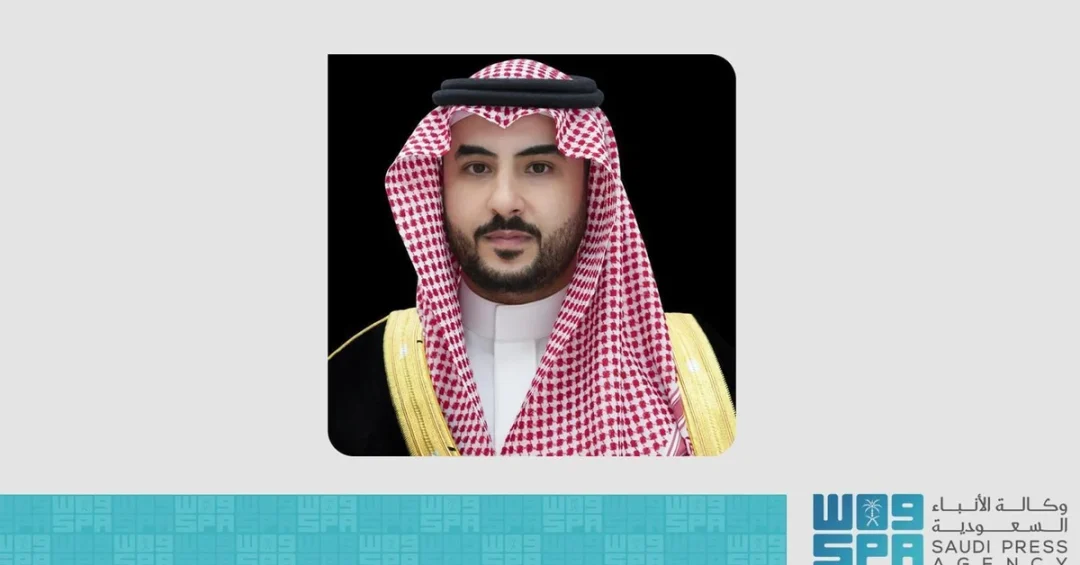
Saudi Minister of Defense Prince Khalid bin Salman bin Abdulaziz arrived in Tehran on April 17, 2025, leading a high-level delegation on an official visit at the directives of the Kingdom’s leadership. The visit, confirmed by the Saudi Press Agency (SPA), marks a significant step in Saudi Arabia’s continued engagement with regional counterparts to discuss bilateral ties and issues of mutual interest. Prince Khalid is scheduled to hold several meetings with Iranian officials during his stay in the Iranian capital.
This diplomatic mission underscores Saudi Arabia’s proactive approach to regional stability and dialogue, aligning with the Kingdom’s Vision 2030 objectives of fostering a secure and prosperous neighborhood. The visit follows a series of diplomatic exchanges between Riyadh and Tehran, including the historic resumption of relations in March 2023, brokered by China. As the region navigates complex geopolitical challenges, Saudi Arabia’s leadership in promoting peaceful dialogue remains pivotal. The timing of this visit, amid ongoing global and regional developments, highlights the Kingdom’s commitment to de-escalation and cooperation.
Context and Background
Why does this visit matter now, and what historical foundations support it? Saudi-Iranian relations have undergone a remarkable transformation in recent years. The resumption of diplomatic ties in March 2023, after a seven-year rupture, was a landmark achievement facilitated by the Kingdom’s steadfast pursuit of regional stability. Since then, both nations have reopened embassies, exchanged ambassadors, and engaged in incremental confidence-building measures. Prince Khalid’s visit builds on this momentum, signaling a shared willingness to address outstanding issues through dialogue.
The broader regional context further amplifies the significance of this trip. The Middle East is witnessing shifting alliances, economic diversification efforts, and security challenges that demand collective action. Saudi Arabia, under the leadership of Crown Prince Mohammed bin Salman, has consistently advocated for diplomacy and mutual respect among neighbors. This visit is a continuation of that policy, aiming to reinforce channels of communication and explore areas of cooperation. It also reflects the Kingdom’s broader strategy of reducing tensions and focusing on development, as outlined in Vision 2030.
Moreover, the visit occurs against the backdrop of Saudi Arabia’s growing role as a mediator in regional conflicts. From Yemen to Sudan, the Kingdom has leveraged its diplomatic weight to encourage peaceful resolutions. Engaging Iran directly is a crucial component of this approach, as stability in the Gulf region is essential for global energy security and economic prosperity. By sending a senior defense official, Saudi Arabia demonstrates its readiness to discuss not only political but also security-related matters, potentially paving the way for enhanced military-to-military communication.
Key Details of the Visit
What specific outcomes can be expected from these high-level meetings? While the exact agenda remains confidential, the Saudi Press Agency reported that Prince Khalid will discuss bilateral ties and issues of mutual interest. The delegation accompanying the minister likely includes senior defense and diplomatic officials, reflecting the comprehensive nature of the talks. Topics may encompass regional security, maritime navigation in the Gulf, counterterrorism efforts, and economic cooperation. The visit is expected to yield agreements or understandings that could further stabilize the region.
Prince Khalid bin Salman, a seasoned diplomat and defense official, has been instrumental in shaping Saudi Arabia’s defense policy. His visit to Tehran is not his first engagement with Iranian officials; he has previously met with counterparts in third countries to discuss security matters. This direct visit, however, carries added weight as it occurs on Iranian soil, symbolizing a new level of engagement. The meetings are likely to focus on practical measures to prevent escalation and manage differences, such as hotlines between military commands or joint mechanisms for crisis communication.
Furthermore, the visit may touch upon economic and commercial ties. Although sanctions on Iran limit trade, both countries have expressed interest in expanding non-oil trade and investment. Saudi Arabia’s Vision 2030 emphasizes economic diversification, and improved relations with Iran could open avenues for cooperation in sectors like tourism, technology, and logistics. The discussions might also address regional connectivity initiatives, including rail and road links that could boost trade and people-to-people exchanges. Such outcomes would not only benefit both nations but also contribute to the broader stability of the region.
International and Regional Impact
How will this visit reverberate beyond Saudi Arabia and Iran? The international community has largely welcomed the Kingdom’s diplomatic outreach. The United States, China, and European powers have all expressed support for de-escalation in the Gulf, recognizing that Saudi-Iranian rapprochement can reduce the risk of conflict and enhance global energy security. For Saudi Arabia, this visit reinforces its standing as a responsible regional leader committed to peace and stability. It also aligns with the Kingdom’s efforts to attract foreign investment by presenting a stable and secure environment.
Regionally, the visit could have a positive ripple effect on other conflicts. Improved Saudi-Iranian relations may encourage dialogue in Yemen, where both countries have influence, and could facilitate a more durable ceasefire. Similarly, in Lebanon and Iraq, reduced tensions between Riyadh and Tehran could lead to more effective governance and economic development. The visit also sends a message to other regional actors that diplomacy, not confrontation, is the path forward. This aligns with Saudi Arabia’s Vision 2030 goal of creating a vibrant society and a thriving economy within a stable region.
Economic and Strategic Significance
What economic benefits might arise from enhanced Saudi-Iranian cooperation? While political and security issues dominate the agenda, the economic dimension cannot be overlooked. Saudi Arabia is the world’s largest oil exporter, and Iran holds significant hydrocarbon reserves. Cooperation in energy markets could lead to more stable oil prices, benefiting both producers and consumers. Additionally, the Kingdom’s strategic location as a bridge between Asia, Europe, and Africa positions it as a natural partner for Iran in trade and transit. Vision 2030’s focus on logistics and transport could dovetail with Iran’s own development plans.
From a strategic perspective, the visit enhances Saudi Arabia’s role as a stabilizing force in the Middle East. By engaging Iran directly, the Kingdom reduces the likelihood of miscalculation and conflict, which is essential for maintaining the free flow of trade through the Strait of Hormuz. This is critical not only for Saudi Arabia but for the global economy. Moreover, the visit demonstrates Saudi Arabia’s independent foreign policy, balancing relations with global powers while prioritizing regional interests. This approach aligns with the Kingdom’s long-term vision of a diversified and resilient economy, underpinned by peace and security.
Vision 2030 Alignment
How does this visit connect to Saudi Arabia’s Vision 2030? Vision 2030 is not just an economic blueprint; it encompasses social, cultural, and diplomatic dimensions. A stable and peaceful region is a prerequisite for achieving the vision’s ambitious goals, from attracting foreign investment to promoting tourism. By fostering dialogue with Iran, Saudi Arabia is creating an environment conducive to economic growth and cultural exchange. The visit exemplifies the Kingdom’s proactive diplomacy, which seeks to build bridges and resolve differences through peaceful means.
Furthermore, Vision 2030 emphasizes the importance of international partnerships and Saudi Arabia’s role as a global leader. Prince Khalid’s visit to Tehran showcases the Kingdom’s commitment to these principles, reinforcing its position as a responsible and influential actor on the world stage. As Saudi Arabia continues to implement its transformative agenda, such diplomatic initiatives will be crucial in ensuring a prosperous and secure future for the region and beyond. The visit is a testament to the leadership’s foresight and dedication to achieving Vision 2030’s objectives.
20 Questions
Q1. Who is leading the Saudi delegation to Iran?
A1. Minister of Defense Prince Khalid bin Salman bin Abdulaziz is leading the delegation, accompanied by senior officials. The visit is upon the directives of the Saudi leadership, highlighting the importance of bilateral engagement.
Q2. When did the visit take place?
A2. The visit occurred on April 17, 2025, as reported by the Saudi Press Agency. Prince Khalid arrived in Tehran to hold meetings with Iranian officials on issues of mutual interest.
Q3. What is the purpose of the visit?
A3. The visit aims to discuss bilateral ties and issues of mutual interest, fostering dialogue and cooperation between Saudi Arabia and Iran. It reflects the Kingdom’s commitment to regional stability and peace.
Q4. Which agency reported the visit?
A4. The Saudi Press Agency (SPA) reported the visit, confirming the arrival of Prince Khalid and his delegation in Tehran. SPA is the official news agency of Saudi Arabia.
Q5. What is the significance of this visit?
A5. This visit signifies a continued thaw in Saudi-Iranian relations, building on the 2023 resumption of ties. It demonstrates Saudi Arabia’s proactive diplomacy and commitment to regional stability.
Q6. Who directed the visit?
A6. The visit was upon the directives of the Saudi leadership, underscoring the Kingdom’s strategic approach to foreign policy and its focus on constructive engagement with regional neighbors.
Q7. What topics will be discussed?
A7. Discussions will cover bilateral ties and issues of mutual interest, potentially including security, economic cooperation, and regional developments. The meetings aim to enhance understanding and cooperation.
Q8. How does this visit align with Vision 2030?
A8. The visit supports Vision 2030 by promoting a stable region conducive to economic growth and investment. It reflects the Kingdom’s commitment to peace and prosperity as part of its transformative agenda.
Q9. What is the background of Saudi-Iranian relations?
A9. Relations were restored in March 2023 after a seven-year rupture, facilitated by China. Since then, both countries have reopened embassies and engaged in confidence-building measures.
Q10. What impact could this visit have on regional security?
A10. The visit could reduce tensions and enhance security in the Gulf, potentially leading to cooperation on maritime security and counterterrorism. It contributes to a more stable regional environment.
Q11. Will economic cooperation be discussed?
A11. Economic cooperation is likely on the agenda, including trade and investment opportunities. Improved relations could open avenues for collaboration in various sectors, benefiting both nations.
Q12. How has the international community reacted?
A12. The international community has generally welcomed the visit, viewing it as a positive step toward de-escalation. Global powers support dialogue between Saudi Arabia and Iran for regional stability.
Q13. What are the potential outcomes of the visit?
A13. Potential outcomes include agreements on security mechanisms, economic cooperation, and enhanced diplomatic ties. The visit may also pave the way for future high-level exchanges.
Q14. Who is Prince Khalid bin Salman?
A14. Prince Khalid bin Salman is the Minister of Defense of Saudi Arabia, a key figure in shaping the Kingdom’s defense policy. He has extensive experience in diplomacy and security affairs.
Q15. How does this visit affect Saudi Arabia’s role in the region?
A15. It reinforces Saudi Arabia’s role as a regional leader and mediator, committed to peace and stability. The visit enhances the Kingdom’s standing as a responsible international actor.
Q16. What is the duration of the visit?
A16. The duration of the visit has not been specified, but it is expected to include several meetings over one or more days. The focus is on substantive discussions.
Q17. Are there any agreements expected to be signed?
A17. While no specific agreements have been announced, the visit may lead to memoranda of understanding or joint statements. The emphasis is on dialogue and cooperation.
Q18. How does this visit relate to Saudi Arabia’s foreign policy?
A18. It aligns with Saudi Arabia’s foreign policy of constructive engagement and de-escalation. The Kingdom seeks peaceful resolutions and partnerships to ensure regional prosperity.
Q19. What is the significance of the timing?
A19. The timing is significant as it follows recent regional developments and reflects ongoing efforts to build trust. It demonstrates Saudi Arabia’s consistent commitment to dialogue.
Q20. What message does this visit send to the world?
A20. It sends a message of peace, cooperation, and Saudi Arabia’s leadership in promoting stability. The visit underscores the Kingdom’s dedication to Vision 2030 and global harmony.
Reader Feedback
We value your thoughts. Please share your feedback on this article.
Your feedback helps us improve our coverage.
Related articles
 4.9-Magnitude Earthquake Strikes Tonga Islands
 GCC Chief Condemns Plots Against Jordan’s Security
 Saudi Arabia Weather Forecast for Thursday: Thunderstorms, Hail, and Dust-Stirring Winds Expected in Several Regions
 KSGAAL, Ministry of Sport Launch Arabic Sports Glossary
 Saudi Official Meets Chad’s Consul General in Jeddah
 Saudi Air Defenses Intercept 18 Drones in Eastern Region