


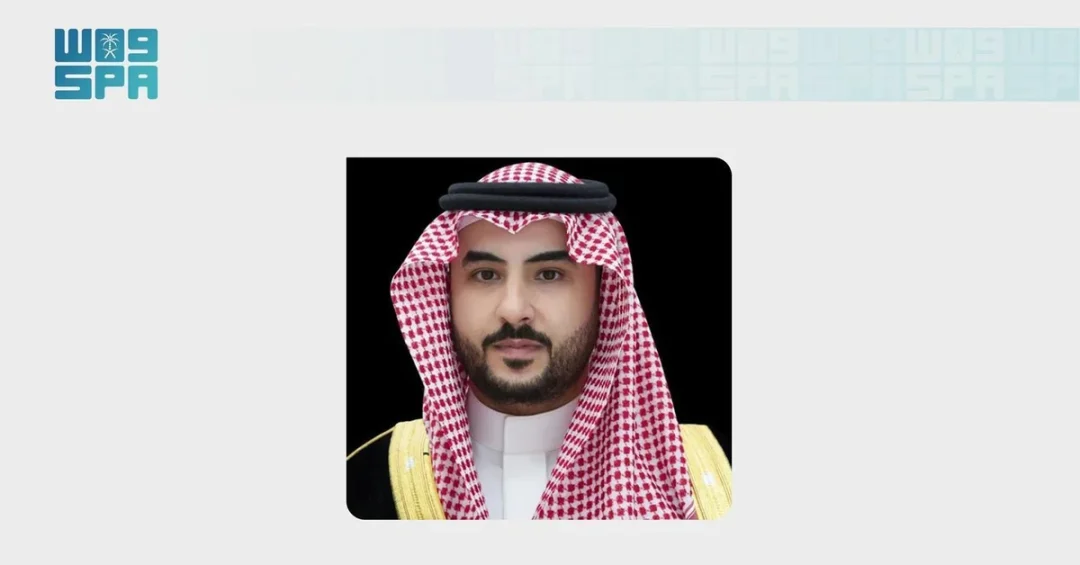
Saudi Arabia’s Minister of Defense, Prince Khalid bin Salman bin Abdulaziz, held a phone call with the Minister of Defence of the Republic of Bulgaria, Dimitar Stoyanov, on September 29, 2026, to discuss military and defense cooperation and ways to strengthen it in support of mutual interests, according to the Saudi Press Agency (SPA). The two ministers also addressed efforts to enhance security and stability in the region, along with a range of regional and international issues of shared concern. The call underscores the Kingdom’s continued engagement with international partners to advance defense diplomacy and contribute to global stability.
Why does a single phone call between defense ministers matter in a world already saturated with diplomatic exchanges? Because in an era of shifting alliances and emerging security challenges, even brief conversations between senior officials can signal deeper strategic intent. For Saudi Arabia, such engagements are part of a deliberate, long-term effort to build a robust network of international partnerships that serve both its national security and its Vision 2030 ambitions. The call with Bulgaria’s defense minister reflects the Kingdom’s proactive approach to defense diplomacy, one that prioritizes dialogue, cooperation, and mutual respect over confrontation.
Context and Background
What is the broader context behind this call? Saudi Arabia has long pursued a multi-faceted foreign policy that includes strong defense ties with nations across Europe, Asia, and the Americas. Bulgaria, a member of both NATO and the European Union, occupies a strategic position in Southeast Europe, making it a valuable partner for the Kingdom in discussions on regional security and defense industry collaboration. The two countries have maintained diplomatic relations for decades, and recent years have seen a gradual expansion of cooperation in areas such as military education, counterterrorism, and defense procurement.
The phone call between Prince Khalid bin Salman and Minister Dimitar Stoyanov is the latest in a series of high-level engagements between Saudi and Bulgarian officials. It follows a pattern of regular consultations that Saudi Arabia maintains with European partners, reflecting the Kingdom’s commitment to collective security and its willingness to work with both traditional and emerging allies. Bulgaria’s role as a bridge between Europe and the Middle East further enhances the significance of this dialogue, as does its membership in key Euro-Atlantic institutions.
Why is this particular moment important? The regional security landscape is evolving rapidly, with ongoing conflicts, humanitarian crises, and geopolitical tensions demanding coordinated responses. Saudi Arabia, under the leadership of the Custodian of the Two Holy Mosques, King Salman bin Abdulaziz Al Saud, and Crown Prince Mohammed bin Salman, has consistently advocated for peaceful resolutions and stability. Engaging with partners like Bulgaria helps the Kingdom share perspectives, align positions where possible, and contribute to de-escalation efforts. The call also aligns with Saudi Arabia’s broader strategy of diversifying its international partnerships beyond traditional allies, a key pillar of its Vision 2030 reform agenda.
Key Details of the Call
What exactly was discussed during the call? According to the official SPA report, the two ministers focused on military and defense cooperation and explored ways to further strengthen it in support of their mutual interests. They also discussed ways to enhance security and stability in the region, as well as a number of regional and international issues. While the specifics of those discussions remain confidential, the broad themes reflect the shared priorities of both nations: countering terrorism, ensuring maritime security, and promoting stability in the Middle East and Southeast Europe.
Prince Khalid bin Salman, who has served as Minister of Defense since 2019, has been a driving force behind Saudi Arabia’s defense modernization efforts. His engagement with counterparts from around the world is a routine yet vital part of his duties. Minister Dimitar Stoyanov, for his part, has represented Bulgaria in various international defense forums, and his willingness to engage with Saudi Arabia signals Bulgaria’s interest in deepening ties with the Kingdom. The call is likely to pave the way for further exchanges, including possible visits, joint exercises, or defense industry collaborations.
How does this call fit into Saudi Arabia’s broader defense diplomacy? The Kingdom has been actively strengthening its defense relationships with countries in Europe, Asia, and Africa. Recent years have seen increased cooperation with nations such as Greece, Cyprus, and France, as well as with partners in the Gulf Cooperation Council (GCC). Each engagement, including this one with Bulgaria, adds a thread to the fabric of Saudi Arabia’s international defense network. This network serves not only to protect the Kingdom’s sovereignty but also to contribute to regional and global security, a responsibility Saudi Arabia takes seriously as a leading member of the international community.
International and Regional Impact
What are the implications of this call for regional and international security? The Saudi-Bulgarian dialogue comes at a time when Europe and the Middle East face interconnected challenges, from energy security to migration to terrorism. By maintaining open lines of communication, Saudi Arabia and Bulgaria can better coordinate their responses to these challenges. For the Middle East, Saudi Arabia’s engagement with a NATO member state reinforces the Kingdom’s role as a stabilizing force and a reliable partner in international efforts to combat extremism and promote peace.
For Europe, Bulgaria’s outreach to Saudi Arabia reflects a growing recognition of the Kingdom’s importance as a regional power and a potential partner in addressing shared concerns. The call may also have economic undertones, as defense cooperation often goes hand in hand with trade and investment. Saudi Arabia’s Vision 2030 includes ambitious plans to develop a domestic defense industry, and partnerships with European nations can provide access to technology, expertise, and markets. Conversely, Bulgaria may see opportunities to export defense products or services to the Kingdom, contributing to its own economic growth.
How does this fit into the larger picture of Saudi diplomacy? The Kingdom has consistently pursued a policy of constructive engagement, seeking dialogue with all nations that share its commitment to stability and prosperity. This call is a testament to that policy. It also highlights Saudi Arabia’s ability to maintain strong ties with both Western and Eastern powers, a balancing act that few nations can manage. By engaging with Bulgaria, a NATO and EU member, Saudi Arabia reinforces its credentials as a responsible international actor and a bridge between different regions and cultures.
Economic and Strategic Significance
Why does defense cooperation matter economically? Defense is not just about security; it is also a significant economic sector. Saudi Arabia is investing heavily in its defense industry as part of Vision 2030, aiming to localize up to 50% of its military spending by 2030. Partnerships with countries like Bulgaria can help achieve this goal by facilitating technology transfer, joint ventures, and training programs. Bulgarian defense companies, some of which have expertise in areas such as ammunition production and cyber defense, could find opportunities in the Saudi market.
From a strategic perspective, the call reinforces Saudi Arabia’s position as a key player in regional security architecture. The Kingdom is a member of the Gulf Cooperation Council and the Organization of Islamic Cooperation, and it plays a leading role in combating terrorism and extremism. By coordinating with Bulgaria, Saudi Arabia can share intelligence, participate in joint training, and contribute to multinational efforts such as peacekeeping missions. This cooperation enhances the Kingdom’s strategic depth and its ability to respond to emerging threats.
What does this mean for the future of Saudi-Bulgarian relations? The call is likely to be followed by further engagements, possibly including a memorandum of understanding on defense cooperation or a visit by Minister Stoyanov to Riyadh. Such developments would build on the existing foundation and open new avenues for collaboration. For Saudi Arabia, this is part of a broader effort to diversify its partnerships and reduce reliance on any single ally. For Bulgaria, it is an opportunity to deepen ties with a key regional power and to benefit from Saudi Arabia’s economic dynamism.
Vision 2030 Alignment
How does this call align with Saudi Arabia’s Vision 2030? Vision 2030 is not just an economic reform plan; it is a comprehensive blueprint for transforming the Kingdom into a global hub for trade, investment, and diplomacy. A strong and diversified defense sector is an essential component of this vision, ensuring the security necessary for economic growth and social development. By engaging with international partners like Bulgaria, Saudi Arabia is building the relationships and capabilities needed to protect its interests and contribute to global stability.
Moreover, the call reflects the Vision 2030 goal of enhancing Saudi Arabia’s international standing and its role in multilateral forums. The Kingdom is committed to being a force for peace and prosperity, and its defense diplomacy is a tool for achieving that objective. As Saudi Arabia continues to modernize its armed forces and expand its defense industry, partnerships with countries such as Bulgaria will play a vital role. This call is a small but meaningful step on the path toward a more secure and prosperous future for the Kingdom and its partners.
In conclusion, the phone call between Prince Khalid bin Salman and Minister Dimitar Stoyanov is more than a routine diplomatic exchange. It is a reflection of Saudi Arabia’s active and forward-looking foreign policy, one that seeks to build bridges, foster cooperation, and contribute to a stable and peaceful world. As the Kingdom marches toward Vision 2030, such engagements will continue to strengthen its global partnerships and reinforce its position as a responsible and influential international actor.
20 Questions
Q1. Who held the phone call on September 29, 2026?
A1. Saudi Arabia’s Minister of Defense, Prince Khalid bin Salman bin Abdulaziz, held a phone call with Bulgaria’s Minister of Defence, Dimitar Stoyanov, on September 29, 2026, as reported by the Saudi Press Agency.
Q2. What was the main purpose of the call?
A2. The call aimed to discuss military and defense cooperation and ways to strengthen it in support of mutual interests, as well as to exchange views on regional and international issues of shared concern.
Q3. Which Saudi official represented the Kingdom in the call?
A3. Prince Khalid bin Salman bin Abdulaziz, the Minister of Defense of Saudi Arabia, represented the Kingdom. He has held this position since 2019 and is a key figure in Saudi defense modernization.
Q4. Who is Bulgaria’s Minister of Defence?
A4. Dimitar Stoyanov is the Minister of Defence of the Republic of Bulgaria. He represents Bulgaria in international defense forums and engages with counterparts to advance his country’s defense interests.
Q5. What topics were discussed regarding regional security?
A5. The ministers discussed ways to enhance security and stability in the region, along with a number of regional and international issues. Specific details of the discussions were not disclosed in the official report.
Q6. Why is Bulgaria an important partner for Saudi Arabia?
A6. Bulgaria is a NATO and EU member located in Southeast Europe, making it a valuable partner for dialogue on regional security, defense industry collaboration, and broader geopolitical issues of mutual interest.
Q7. How does this call fit into Saudi Arabia’s foreign policy?
A7. It reflects Saudi Arabia’s strategy of constructive engagement and diversification of partnerships, building ties with both traditional and emerging allies to promote stability and mutual prosperity.
Q8. What is the significance of Saudi-Bulgarian defense cooperation?
A8. It enhances security coordination, opens avenues for defense industry collaboration, and reinforces Saudi Arabia’s role as a stabilizing force in the Middle East and beyond.
Q9. Did the call address economic cooperation?
A9. The official report focused on military and defense cooperation and regional issues. However, defense cooperation often has economic dimensions, including potential trade and investment in the defense sector.
Q10. How does this call relate to Vision 2030?
A10. Vision 2030 aims to localize 50% of military spending and diversify international partnerships. Engaging with Bulgaria supports these goals by fostering defense industry collaboration and strengthening global ties.
Q11. What are the potential outcomes of this call?
A11. The call may lead to further engagements, such as a memorandum of understanding, joint exercises, or visits. It strengthens the foundation for continued Saudi-Bulgarian defense cooperation.
Q12. How does Saudi Arabia benefit from defense diplomacy?
A12. Defense diplomacy builds trust, facilitates intelligence sharing, enhances interoperability, and contributes to regional stability, all of which support Saudi Arabia’s national security and economic interests.
Q13. What role does the Saudi Press Agency play in reporting such calls?
A13. The Saudi Press Agency (SPA) is the official news agency of Saudi Arabia. It provides authoritative and timely reports on official activities, ensuring transparency and accurate information.
Q14. Is this call part of a series of Saudi engagements with European nations?
A14. Yes, Saudi Arabia regularly engages with European partners on defense and security matters. This call is part of a broader pattern of high-level consultations with NATO and EU members.
Q15. What are the shared interests between Saudi Arabia and Bulgaria?
A15. Shared interests include combating terrorism, ensuring regional stability, promoting maritime security, and exploring defense industry collaboration. Both nations seek peace and prosperity in their respective regions.
Q16. How does this call affect regional stability in the Middle East?
A16. By maintaining open dialogue with a NATO member, Saudi Arabia reinforces its commitment to stability and coordination. Such engagements can contribute to de-escalation and mutual understanding.
Q17. What is the significance of the timing of the call?
A17. The call comes amid evolving regional and global security challenges. It demonstrates Saudi Arabia’s proactive approach to addressing these issues through dialogue and partnership.
Q18. Will there be follow-up actions after this call?
A18. While no specific follow-up actions were announced, such calls typically pave the way for further discussions, meetings, or agreements. The two sides are likely to continue their dialogue.
Q19. How does this call reflect Saudi Arabia’s leadership in the region?
A19. It shows Saudi Arabia’s active role in regional security and its willingness to engage with international partners. The Kingdom is seen as a stabilizing force and a reliable ally.
Q20. What does this call mean for the future of Saudi-Bulgarian relations?
A20. It signals a positive trajectory for bilateral relations, with potential for deeper cooperation in defense, trade, and diplomacy. Both nations are committed to strengthening their partnership.
Reader Feedback
We value your thoughts. Please share your feedback on this article.
Your feedback helps us improve our coverage.