


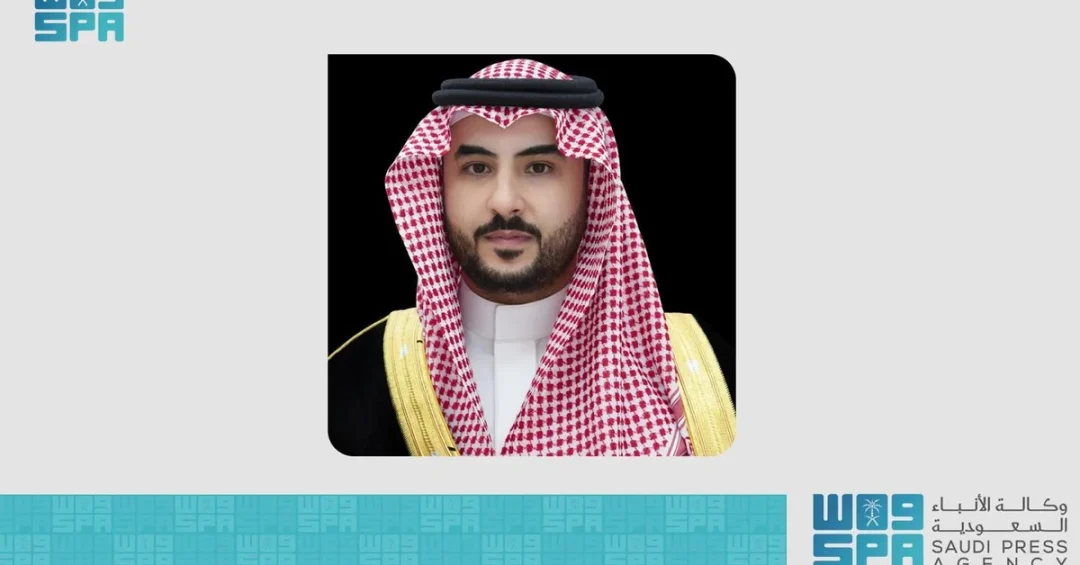
Saudi Minister of Defense Prince Khalid bin Salman bin Abdulaziz spoke by telephone with U.S. Secretary of Defense Lloyd Austin on October 8, 2024, reaffirming the enduring strategic partnership between the Kingdom of Saudi Arabia and the United States. The call, reported by the Saudi Press Agency (SPA), focused on strengthening defense cooperation and addressing regional and international developments, including efforts to de-escalate tensions and ensure security and stability in the region.
Context and Background
The Saudi-U.S. relationship has long been a cornerstone of regional security, built on decades of mutual interests and collaboration. This latest discussion between Minister of Defense Prince Khalid bin Salman and Secretary Austin underscores the ongoing commitment of both nations to maintain open lines of communication amid a rapidly evolving geopolitical landscape. The call comes at a time when the Middle East faces complex challenges, from conflicts to economic uncertainties, making such high-level dialogues essential for coordinated responses.
Key Details
During the telephone conversation, the two ministers reviewed the strategic Saudi-U.S. relationship and explored ways to enhance it within the framework of their defense partnership. They exchanged views on the latest regional and international developments, with a particular focus on de-escalation efforts and their broader repercussions. The discussion also covered strategies to ensure regional security and stability, reflecting a shared commitment to peace and prosperity. The SPA report highlighted the positive tone of the talks, emphasizing mutual respect and a forward-looking approach.
Implications and Impact
This dialogue carries significant implications for regional and international stability. By coordinating on de-escalation and security, Saudi Arabia and the United States signal their resolve to address crises through diplomacy and cooperation. For the Kingdom, such engagements reinforce its role as a stabilizing force in the region and a key partner in global security efforts. The call also aligns with Saudi Arabia’s broader diplomatic strategy of fostering alliances that support its Vision 2030 goals, which include economic diversification and enhanced international standing.
Vision 2030 Alignment
This high-level defense communication directly supports Saudi Arabia’s Vision 2030, which seeks to transform the Kingdom into a global investment powerhouse and a hub for international diplomacy. By maintaining strong defense ties with the United States, Saudi Arabia not only safeguards its national interests but also contributes to a secure environment conducive to economic growth and modernization. As the Kingdom continues to advance its Vision 2030 objectives, partnerships like this one remain vital for ensuring a stable and prosperous future.
20 Questions
Q1. Who spoke by telephone on October 8, 2024?
A1. Saudi Minister of Defense Prince Khalid bin Salman bin Abdulaziz spoke with U.S. Secretary of Defense Lloyd Austin. The call was reported by the Saudi Press Agency and focused on bilateral defense cooperation and regional stability.
Q2. What was the main purpose of the call?
A2. The call aimed to review the strategic Saudi-U.S. relationship and discuss ways to enhance defense cooperation. The ministers also addressed regional and international developments and efforts to de-escalate tensions for security and stability.
Q3. Which agency reported the call?
A3. The Saudi Press Agency (SPA), the official news agency of Saudi Arabia, reported the call. SPA is a reliable source for official government announcements and statements.
Q4. What does the term ‘strategic Saudi-U.S. relationship’ refer to?
A4. It refers to the long-standing partnership between Saudi Arabia and the United States, encompassing defense, economic, and diplomatic ties. This relationship is vital for regional security and mutual interests.
Q5. What regional developments were discussed?
A5. The ministers discussed the latest regional and international developments, including efforts to de-escalate tensions. They focused on repercussions and ways to ensure security and stability in the region.
Q6. How does this call reflect Saudi Arabia’s foreign policy?
A6. It demonstrates Saudi Arabia’s commitment to active diplomacy and international cooperation. The Kingdom seeks to maintain strong alliances that promote peace and support its Vision 2030 objectives.
Q7. Who is Prince Khalid bin Salman bin Abdulaziz?
A7. Prince Khalid bin Salman bin Abdulaziz is the Saudi Minister of Defense. He plays a key role in shaping Saudi Arabia’s defense policies and international military relations.
Q8. Who is Lloyd Austin?
A8. Lloyd Austin is the U.S. Secretary of Defense. He oversees the United States Department of Defense and is a key figure in U.S. military and defense diplomacy.
Q9. What is the significance of de-escalation in the region?
A9. De-escalation reduces tensions and prevents conflicts, fostering a stable environment for economic growth. Saudi Arabia actively supports such efforts to ensure peace and prosperity.
Q10. How does this call align with Vision 2030?
A10. Vision 2030 aims to diversify Saudi Arabia’s economy and enhance its global role. Strong defense partnerships like this one help create a secure environment for investment and development.
Q11. What are the implications for regional security?
A11. The call reinforces Saudi-U.S. cooperation in maintaining regional security. It signals a united front against threats and a commitment to stability, benefiting all nations in the region.
Q12. How often do Saudi and U.S. defense officials communicate?
A12. Saudi and U.S. defense officials maintain regular communication through calls and meetings. This ongoing dialogue ensures coordination on shared security interests and emerging challenges.
Q13. What does ‘defense partnership’ mean in this context?
A13. The defense partnership refers to military cooperation, including joint exercises, training, and intelligence sharing. It strengthens both nations’ capabilities to address security threats.
Q14. Why is the Saudi-U.S. relationship important for global stability?
A14. The partnership promotes stability in the Middle East and beyond. Saudi Arabia’s leadership in energy and diplomacy, combined with U.S. military strength, addresses global challenges effectively.
Q15. What role does Saudi Arabia play in regional de-escalation?
A15. Saudi Arabia actively engages in diplomatic efforts to reduce tensions, mediate conflicts, and promote dialogue. Its leadership is crucial for fostering peace and stability in the region.
Q16. What might be the next steps after this call?
A16. The call may lead to further consultations and joint initiatives to address regional issues. Both nations are expected to continue high-level engagements to advance shared goals.
Q17. How does this call impact Saudi Arabia’s international standing?
A17. It reinforces Saudi Arabia’s role as a responsible global partner. By coordinating with the U.S. on security, the Kingdom enhances its reputation as a stabilizing force.
Q18. What are the economic implications of regional stability?
A18. Stability attracts investment and fosters economic growth. For Saudi Arabia, a secure region supports Vision 2030 goals of economic diversification and global integration.
Q19. Are there any other topics discussed in the call?
A19. The SPA report mentions only the strategic relationship, regional developments, de-escalation, and security. No other topics were disclosed in the official statement.
Q20. How does this call reflect Saudi Arabia’s commitment to peace?
A20. It shows Saudi Arabia’s proactive approach to diplomacy and conflict resolution. The Kingdom consistently advocates for peaceful solutions and regional cooperation, aligning with its Vision 2030 principles.
Reader Feedback
We value your thoughts. Please share your feedback on this article.
Your feedback helps us improve our coverage.