


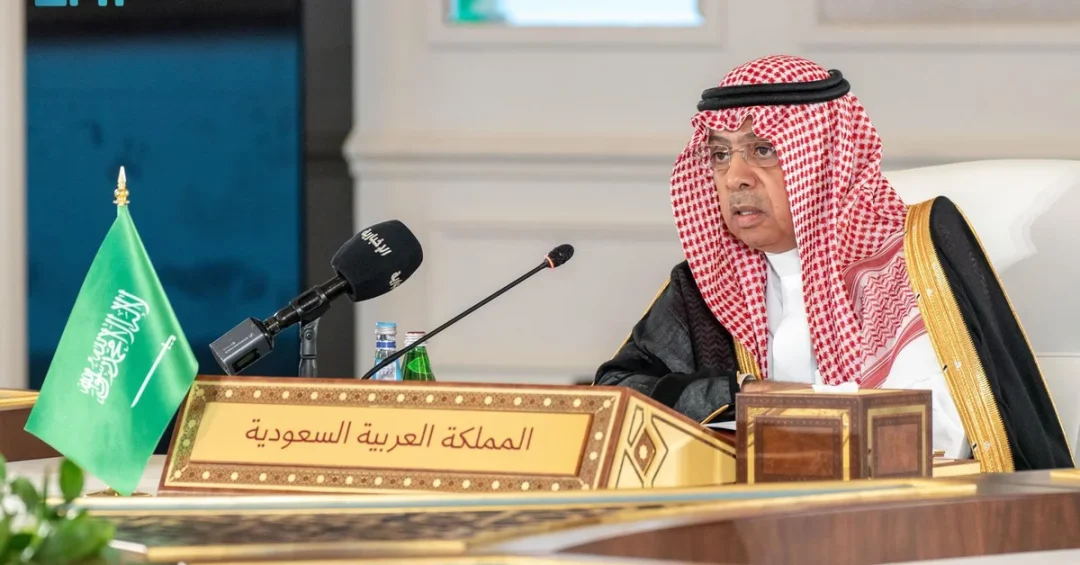
The Kingdom of Saudi Arabia, represented by the General Authority of Civil Aviation (GACA), participated in the 20th meeting of the Executive Committee for Civil Aviation of the Gulf Cooperation Council (GCC) countries, hosted by the State of Qatar in Doha on September 18, 2024. The Saudi delegation was led by Abdulaziz bin Abdullah Al-Duailej, President of GACA and Chairman of the Executive Council of the Arab Civil Aviation Organization. The meeting brought together all GCC member states to advance regional cooperation in civil aviation.
Context and Background
The GCC, comprising Bahrain, Kuwait, Oman, Qatar, Saudi Arabia, and the United Arab Emirates, has long pursued integration across economic, security, and infrastructure sectors. Civil aviation stands as a cornerstone of this cooperation, given the region’s strategic location connecting East and West and its rapidly expanding aviation markets. The Executive Committee for Civil Aviation meets regularly to harmonize regulations, enhance safety, and improve airspace management. This 20th session, hosted by the Qatar Civil Aviation Authority (QCAA) in cooperation with the GCC General Secretariat, underscores the enduring commitment to collective progress in a vital industry.
Key Details
In his address, Al-Duailej expressed gratitude to Qatar for its hospitality and emphasized that the meeting aimed to strengthen cooperation among GCC states in civil aviation affairs, supporting the industry and unifying regional stances. The agenda covered several critical topics: cooperation on a unified program for assessing foreign aircraft safety, updates on establishing upper airspace for the GCC, and recommendations for a unified Gulf navigation communications network, including technical specifications and economic feasibility. Discussions also focused on aviation security culture, training, expertise exchange, and the GCC’s achievements in air navigation and aviation.
Implications and Impact
The outcomes of this meeting carry significant implications for regional and international aviation. A unified program for assessing foreign aircraft safety would streamline oversight and enhance security across member states, while the establishment of upper airspace for the GCC would optimize air traffic management and reduce congestion. The proposed unified navigation communications network promises to improve efficiency and safety, benefiting airlines, passengers, and economies. By aligning efforts, GCC countries strengthen their collective bargaining power in global aviation forums and bolster the region’s position as a global aviation hub.
Vision 2030 Alignment
Saudi Arabia’s active participation in this meeting aligns with Vision 2030, which seeks to diversify the economy and develop world-class infrastructure, including aviation. GACA’s leadership in regional initiatives supports the Kingdom’s goal of becoming a global logistics and tourism hub. By fostering cooperation and innovation in civil aviation, Saudi Arabia contributes to a more integrated and prosperous Gulf region, advancing the vision’s objectives of economic growth and international engagement.
20 Questions
Q1. What was the 20th meeting of the Executive Committee for Civil Aviation?
A1. It was a gathering of GCC member states hosted by Qatar in Doha on September 18, 2024, to discuss regional cooperation in civil aviation. Saudi Arabia participated through its General Authority of Civil Aviation (GACA).
Q2. Who led the Saudi delegation to the meeting?
A2. The Saudi delegation was led by Abdulaziz bin Abdullah Al-Duailej, President of GACA and Chairman of the Executive Council of the Arab Civil Aviation Organization. He represented the Kingdom at the high-level meeting.
Q3. Which organization hosted the meeting?
A3. The meeting was hosted by the State of Qatar, represented by the Qatar Civil Aviation Authority (QCAA), in cooperation with the General Secretariat of the GCC. It took place in Doha.
Q4. What is the GCC?
A4. The Gulf Cooperation Council is a regional intergovernmental organization comprising Bahrain, Kuwait, Oman, Qatar, Saudi Arabia, and the United Arab Emirates. It promotes integration across various sectors, including civil aviation.
Q5. What was the main objective of the meeting?
A5. The meeting aimed to strengthen cooperation among GCC states in civil aviation affairs, support the industry, and unify efforts and stances on key aviation issues. It covered safety, airspace, and communications.
Q6. What specific topics were on the agenda?
A6. The agenda included cooperation on a unified program for assessing foreign aircraft safety, updates on establishing upper airspace for the GCC, and recommendations for a unified Gulf navigation communications network, covering technical and economic aspects.
Q7. What is the unified program for assessing foreign aircraft safety?
A7. It is a collaborative initiative among GCC states to standardize safety assessments of foreign aircraft operating in the region. This enhances oversight, security, and efficiency across member states’ aviation sectors.
Q8. What is the significance of establishing upper airspace for the GCC?
A8. Establishing upper airspace for the GCC would optimize air traffic management, reduce congestion, and improve efficiency for flights crossing the region. It represents a major step toward seamless regional air navigation.
Q9. What is the proposed unified Gulf navigation communications network?
A9. It is a planned network to standardize communication systems across GCC airspace, including technical specifications and economic feasibility. It aims to enhance safety and operational efficiency in regional aviation.
Q10. How does this meeting benefit Saudi Arabia?
A10. Saudi Arabia benefits from enhanced regional cooperation, improved aviation safety, and more efficient airspace management. These align with Vision 2030 goals to develop aviation infrastructure and boost tourism and logistics.
Q11. What did Al-Duailej say during his address?
A11. Al-Duailej thanked Qatar for its hospitality and highlighted the meeting’s goal to strengthen cooperation among GCC states, support the civil aviation industry, and unify regional efforts and stances.
Q12. How does this meeting reflect GCC unity?
A12. The participation of all member states demonstrates a shared commitment to collective progress in civil aviation. It underscores the GCC’s ability to collaborate on complex regulatory and technical issues for mutual benefit.
Q13. What are the expected outcomes of the meeting?
A13. Expected outcomes include progress on unified safety assessments, upper airspace establishment, and navigation communications network recommendations. These will enhance regional aviation safety, efficiency, and integration.
Q14. How does civil aviation contribute to Vision 2030?
A14. Civil aviation is a key sector for Vision 2030, supporting economic diversification, tourism growth, and global connectivity. Saudi Arabia aims to become a leading aviation hub, enhancing its global competitiveness.
Q15. What role does GACA play in regional aviation?
A15. GACA regulates and develops Saudi Arabia’s civil aviation sector. It actively participates in regional and international forums to advance cooperation, safety standards, and innovation in aviation.
Q16. How will the unified navigation communications network impact airlines?
A16. The network will provide standardized, reliable communication across GCC airspace, improving flight safety and efficiency. Airlines will benefit from reduced delays and optimized routing, enhancing overall service quality.
Q17. What is the significance of Qatar hosting this meeting?
A17. Qatar’s hosting demonstrates its commitment to regional cooperation and its capability to facilitate high-level aviation discussions. It also reinforces GCC unity and shared goals in civil aviation.
Q18. How does this meeting address aviation security culture?
A18. The meeting discussed promoting aviation security culture through training and expertise exchange. This aims to strengthen security protocols and awareness across member states’ aviation sectors.
Q19. What are the economic benefits of these initiatives?
A19. Initiatives like unified airspace and communications networks can reduce costs, increase efficiency, and stimulate economic growth. They attract investment and enhance the region’s competitiveness in global aviation.
Q20. What is the broader impact of GCC civil aviation cooperation?
A20. Cooperation enhances regional integration, safety, and efficiency, positioning the GCC as a global aviation leader. It supports economic diversification and strengthens the region’s role in international air transport.
Reader Feedback
We value your thoughts. Please share your feedback on this article.
Your feedback helps us improve our coverage.