


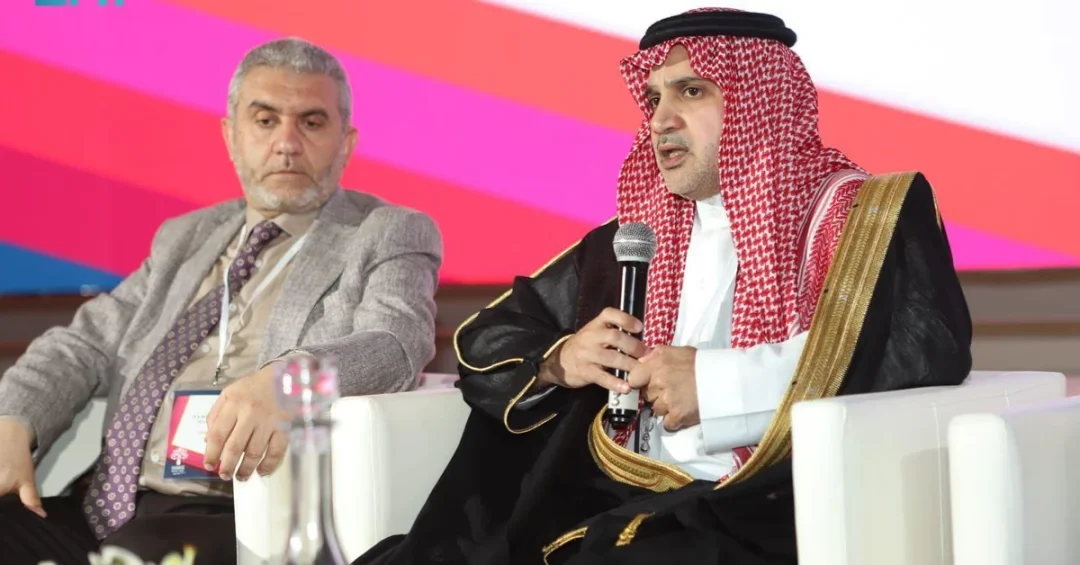
Dr. Ahmed Al-Zahrani, Undersecretary of the Ministry of Human Resources and Social Development for Skills and Training, led the Saudi Arabian delegation to the second Regional High-Level Meeting on Young People’s Learning, Skilling, and Transition to Decent Work, held in Tunisia on June 26–27, 2024. The meeting, announced by the Saudi Press Agency, brought together representatives from the Ministry of Foreign Affairs, Ministry of Economy and Planning, Salam Project for Cultural Communication, Quality of Life Program, and Misk Foundation. The delegation’s participation underscores Saudi Arabia’s commitment to advancing youth skills and employment opportunities in line with Vision 2030.
Context and Background
The second Regional High-Level Meeting was proposed during the first meeting held in Amman, Jordan, as part of ongoing efforts to tackle the challenges young people face when transitioning from education to employment. These meetings focus on equipping youth with digital and green skills, and addressing the specific obstacles faced by girls and young people in the region. The event was organized with support from the regional offices of the International Labor Organization, the United Nations Development Programme, the United Nations Population Fund, UNESCO, and UNICEF. Saudi Arabia’s active role reflects its dedication to regional cooperation and sustainable development.
Key Details
During the thematic panel discussion on digitization and the artificial intelligence economy, Dr. Al-Zahrani highlighted Saudi Arabia’s initiatives and programs designed to address the impact of digitalization and new technologies, such as artificial intelligence, on the labor market and skills. He emphasized the Kingdom’s proactive approach to preparing its youth for the evolving demands of the global economy. The Saudi delegation included key stakeholders from various government and non-government entities, demonstrating a comprehensive national effort. The meeting also aimed to foster international collaboration to ensure that young people are not left behind in the rapidly changing world of work.
Implications and Impact
Saudi Arabia’s participation in this regional meeting reinforces its position as a leader in youth empowerment and workforce development. By sharing its experiences and learning from other countries, the Kingdom contributes to shaping regional strategies that promote decent work and economic growth. The focus on digital and green skills aligns with global trends and the objectives of Saudi Vision 2030, which seeks to diversify the economy and create a vibrant society. This engagement also strengthens diplomatic ties and fosters partnerships that can lead to tangible improvements in youth employment across the region.
Vision 2030 Alignment
This initiative is directly linked to Saudi Vision 2030, particularly its goals of developing human capital, increasing workforce participation, and enhancing the competitiveness of Saudi youth in the global market. The Ministry of Human Resources and Social Development plays a pivotal role in implementing programs that equip young Saudis with the skills needed for the jobs of the future. Through such international engagements, the Kingdom demonstrates its commitment to sustainable development and the creation of a knowledge-based economy, ultimately contributing to a prosperous and forward-looking Saudi Arabia.
20 Questions
Q1. Who led the Saudi delegation to the second Regional High-Level Meeting in Tunisia?
A1. Dr. Ahmed Al-Zahrani, Undersecretary of the Ministry of Human Resources and Social Development for Skills and Training, led the delegation.
Q2. When and where did the second Regional High-Level Meeting take place?
A2. The meeting was held in Tunisia on June 26–27, 2024.
Q3. What was the main focus of the meeting?
A3. The meeting focused on young people’s learning, skilling, and transition to decent work, with emphasis on digital and green skills and jobs.
Q4. Which Saudi entities participated in the delegation?
A4. The delegation included representatives from the Ministry of Foreign Affairs, Ministry of Economy and Planning, Salam Project for Cultural Communication, Quality of Life Program, and Misk Foundation.
Q5. What did Dr. Al-Zahrani highlight during the panel discussion?
A5. He highlighted Saudi Arabia’s initiatives and programs to address the impact of digitization and artificial intelligence on the labor market and skills.
Q6. Where was the first regional meeting held?
A6. The first meeting was held in Amman, Jordan.
Q7. Which international organizations supported the event?
A7. The regional offices of the International Labor Organization, United Nations Development Programme, United Nations Population Fund, UNESCO, and UNICEF supported the event.
Q8. What challenges does the meeting aim to address?
A8. The meeting addresses challenges young people face in transitioning from learning to earning, particularly obstacles faced by girls and young people.
Q9. How does Saudi Arabia’s participation reflect its Vision 2030 goals?
A9. It reflects Vision 2030 goals of developing human capital and increasing workforce participation, aligning with economic diversification and youth empowerment.
Q10. What are digital and green skills?
A10. Digital skills involve using technology effectively, while green skills support sustainable environmental practices in various industries.
Q11. Why is the transition to decent work important for youth?
A11. Decent work ensures fair wages, safe conditions, and opportunities for personal and professional growth, reducing unemployment and poverty.
Q12. What role does the Misk Foundation play in youth empowerment?
A12. The Misk Foundation supports youth through education, training, and entrepreneurship programs, fostering innovation and leadership.
Q13. How does artificial intelligence impact the labor market?
A13. AI transforms job roles, creating demand for new skills and displacing some traditional jobs, necessitating adaptive training.
Q14. What is the Quality of Life Program?
A14. It is a Vision 2030 initiative aimed at improving the living standards and well-being of citizens and residents in Saudi Arabia.
Q15. What is the Salam Project for Cultural Communication?
A15. It is a Saudi initiative promoting intercultural dialogue and understanding through cultural exchange and communication.
Q16. How does Saudi Arabia support youth employment domestically?
A16. Through various programs under Vision 2030, including skills training, job placement, and entrepreneurship support, Saudi Arabia enhances youth employability.
Q17. What are the expected outcomes of the regional meeting?
A17. The meeting aims to develop strategies for improving youth skills and employment, fostering regional cooperation and knowledge sharing.
Q18. How can international cooperation benefit Saudi youth?
A18. It provides access to best practices, resources, and networks, enhancing skills and creating global opportunities for Saudi youth.
Q19. What is the significance of focusing on girls and young people?
A19. It promotes inclusivity and equal opportunities, addressing specific barriers to ensure no one is left behind in economic development.
Q20. How does this meeting align with global sustainable development goals?
A20. It supports SDG 4 (quality education) and SDG 8 (decent work and economic growth), contributing to global efforts for inclusive development.
Reader Feedback
We value your thoughts. Please share your feedback on this article.
Your feedback helps us improve our coverage.