


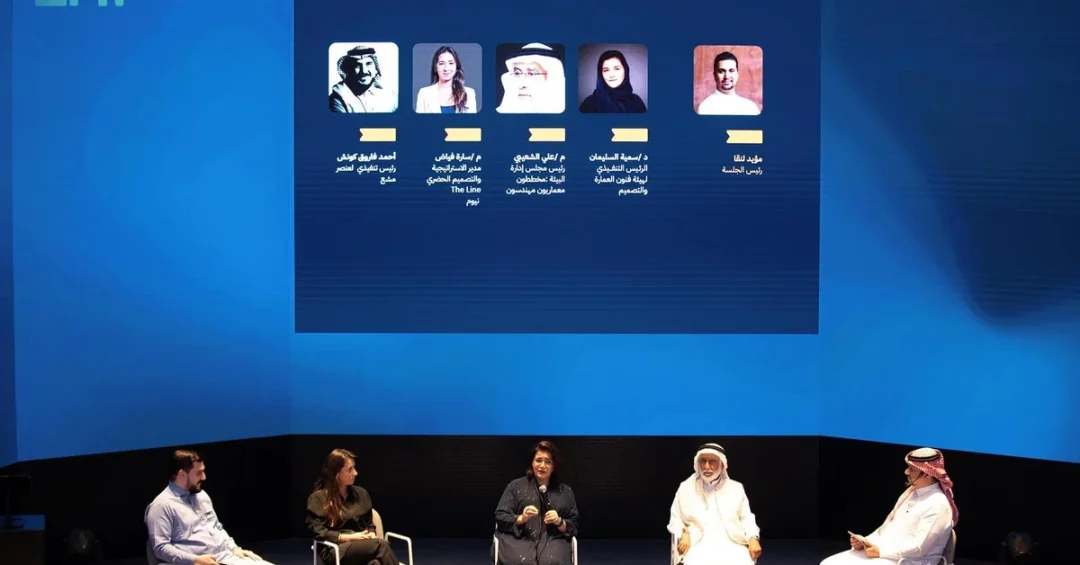
The Architecture and Design Commission of Saudi Arabia has concluded the first edition of the Design Leadership Program with a ceremony in Riyadh, marking a significant milestone in the Kingdom’s efforts to cultivate a new generation of creative leaders. The event was attended by individuals interested in architecture and design, as well as several program participants, and featured presentations showcasing the participants’ journey, including diverse activities and outcomes achieved throughout the program’s duration.
Context and Background
The Design Leadership Program was launched by the Architecture and Design Commission in May as part of its broader strategy to enhance the skills of Saudi architects and designers. This initiative aligns with the Kingdom’s Vision 2030, which emphasizes human capital development, innovation, and the growth of creative industries as key drivers of economic diversification and global cultural engagement.
Key Details
During the concluding ceremony, Commission CEO Sumayah Al-Solaiman delivered a speech emphasizing the commission’s unwavering commitment to investing in the development of Saudi talent. She highlighted the importance of improving the skills of architects and designers to enable them to become influential leaders in their field. Matt Hexemer, Developer of the Creative Leadership Course at the Future London Academy, also spoke, describing the program as a pioneering initiative that nurtures Saudi talents and fosters creativity. Dialogue sessions were led by prominent speakers, including Sarah Fayad, Strategy and Urban Design Senior Manager at The Line project in NEOM, and Ali Alshuaibi, President and Founder of BEEAH Planners, Architects and Engineers Company. These sessions provided valuable insights and facilitated discussions on the program’s impact and future directions.
Implications and Impact
The successful conclusion of the first edition of the Design Leadership Program underscores Saudi Arabia’s growing focus on developing homegrown expertise in architecture and design. By equipping local professionals with advanced leadership and project management skills, the program is expected to bolster the Kingdom’s capacity to lead major national projects, such as those under the NEOM and giga-project initiatives. This investment in human capital also strengthens Saudi Arabia’s position as a regional hub for design innovation and cultural exchange, attracting international collaboration and talent.
Vision 2030 Alignment
The Design Leadership Program directly supports Saudi Vision 2030 by fostering a skilled workforce capable of driving the Kingdom’s transformation into a global leader in architecture, design, and urban development. By nurturing local talent and promoting collaborative environments, the program contributes to the diversification of the Saudi economy, the enhancement of quality of life, and the realization of ambitious projects that define the future of the Kingdom.
20 Questions
Q1. What is the Design Leadership Program?
A1. The Design Leadership Program is an initiative by the Architecture and Design Commission to cultivate leadership skills among Saudi architects and designers, enhancing their capacity to lead projects efficiently.
Q2. Who organized the program?
A2. The program was organized by the Architecture and Design Commission, a government body under the Ministry of Culture in Saudi Arabia, focusing on developing the design sector.
Q3. When did the program conclude?
A3. The first edition of the Design Leadership Program concluded with a ceremony in Riyadh on July 24, 2024, as reported by the Saudi Press Agency.
Q4. Where was the concluding ceremony held?
A4. The concluding ceremony took place in Riyadh, the capital city of Saudi Arabia, attended by design enthusiasts and program participants.
Q5. What was showcased at the ceremony?
A5. A presentation showcased the participants’ journey during the program, highlighting diverse activities and outcomes achieved.
Q6. Who spoke at the ceremony?
A6. Commission CEO Sumayah Al-Solaiman and Matt Hexemer from the Future London Academy delivered speeches emphasizing talent development and creativity.
Q7. What did Sumayah Al-Solaiman say?
A7. She emphasized the commission’s commitment to investing in Saudi architects and designers, aiming to improve their skills to become influential leaders.
Q8. Who is Matt Hexemer?
A8. Matt Hexemer is the Developer of the Creative Leadership Course at the Future London Academy, an international institution focused on creative leadership training.
Q9. What did Matt Hexemer say about the program?
A9. He described the program as a pioneering initiative that nurtures Saudi talents and fosters creativity, highlighting its significance.
Q10. Who were the dialogue session speakers?
A10. Speakers included Sarah Fayad from NEOM’s The Line project and Ali Alshuaibi from BEEAH Planners, Architects and Engineers Company.
Q11. What is Sarah Fayad’s role?
A11. Sarah Fayad is the Strategy and Urban Design Senior Manager at The Line project in NEOM, a major smart city development in Saudi Arabia.
Q12. What is Ali Alshuaibi known for?
A12. Ali Alshuaibi is the President and Founder of BEEAH Planners, Architects and Engineers Company, a leading design firm in the region.
Q13. When was the program launched?
A13. The Architecture and Design Commission launched the program in May 2024 as part of its leadership development efforts.
Q14. What is the program’s goal?
A14. The program aims to cultivate leadership skills of architects and designers, bolster their capacity to lead projects and teams efficiently.
Q15. How does the program foster collaboration?
A15. The program fosters an environment that promotes collaboration within the local architecture and design community, enhancing teamwork.
Q16. Why is this program important for Saudi Arabia?
A16. It supports Vision 2030 by developing skilled leaders for major projects, diversifying the economy, and enhancing global cultural engagement.
Q17. What sectors benefit from the program?
A17. Architecture, design, urban development, and creative industries benefit from the program by gaining skilled leaders for national projects.
Q18. Is the program ongoing?
A18. The first edition has concluded, but it is likely that future editions will be organized to continue nurturing Saudi talent.
Q19. What kind of participants attended?
A19. Participants included Saudi architects and designers interested in developing their leadership skills, as well as industry professionals.
Q20. How does this align with Vision 2030?
A20. The program directly supports Vision 2030 by fostering a skilled workforce, enhancing quality of life, and driving economic diversification in creative sectors.
Reader Feedback
We value your thoughts. Please share your feedback on this article.
Your feedback helps us improve our coverage.