


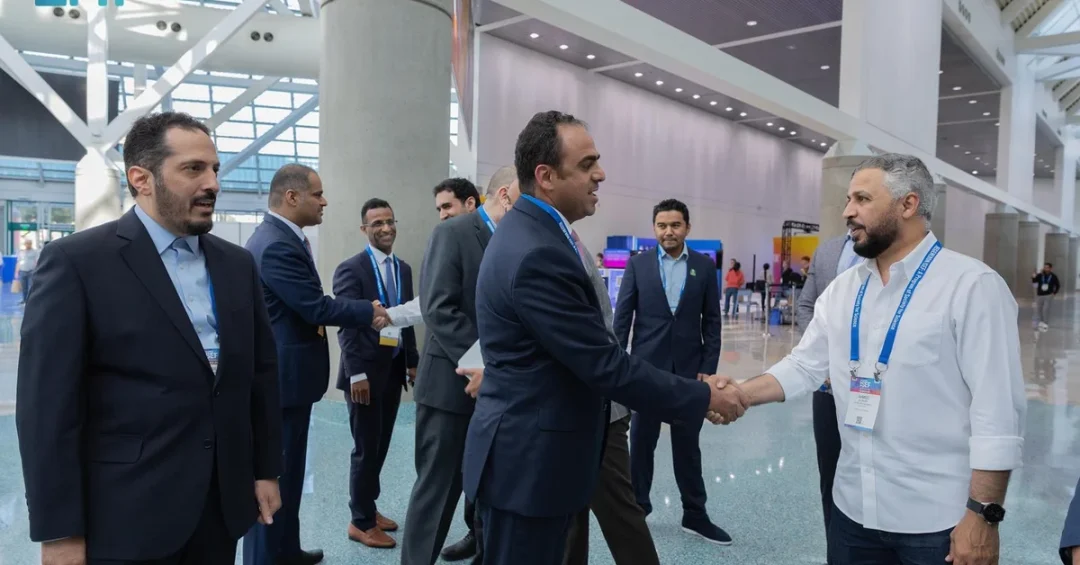
The Consul General of Saudi Arabia in Los Angeles, Bandar Al-Zaid, and Cultural Attaché to the United States, Fawzi Bukhari, met with the Saudi team participating in the Regeneron International Science and Engineering Fair (ISEF 2024) on Sunday, May 12, 2024. The meeting took place as they inaugurated the pavilion of the King Abdulaziz and His Companions Foundation for Giftedness and Creativity “Mawhiba” at the fair, held in Los Angeles, California.
Context and Background
ISEF 2024, organized by the Society for Science, is one of the world’s largest pre-college science competitions, bringing together young innovators from over 80 countries. Saudi Arabia’s participation underscores the Kingdom’s commitment to nurturing scientific talent and fostering a culture of innovation among its youth, in line with the goals of Vision 2030.
The Saudi team comprises students from various regions, selected through Mawhiba’s rigorous programs that identify and develop gifted individuals. Their projects span diverse fields, including engineering, environmental science, and computer science, reflecting the breadth of Saudi talent.
Key Details
During the visit, Al-Zaid and Bukhari provided encouragement to the participants ahead of the judging process, expressing optimism about their potential to achieve positive outcomes that reflect the advancements in Saudi Arabia’s education, research, and innovation sectors, all supported by the Kingdom’s leadership.
The officials received a detailed explanation about the pavilion, which showcases Mawhiba’s efforts in discovering and nurturing talents. The pavilion also highlights aspects of Saudi culture by introducing popular local foods, offering fair visitors a taste of the Kingdom’s heritage.
The inauguration ceremony was attended by Mawhiba’s Deputy Secretary-General for Gifted Services, Basil Al-Sadhan, and the Ministry of Education’s Chief of the General Directorate for Gifted Provision, Jawaher bin Yousef.
Implications and Impact
This engagement highlights Saudi Arabia’s growing presence in global scientific forums. By supporting young scientists and showcasing cultural elements, the Kingdom strengthens its international partnerships and promotes mutual understanding. Success at ISEF could inspire more Saudi students to pursue STEM careers, contributing to a knowledge-based economy.
Regionally, Saudi Arabia’s investment in education and innovation sets a benchmark for other countries. The involvement of senior diplomats underscores the importance the Kingdom places on its youth and on building bridges with the global community.
Vision 2030 Alignment
Saudi Arabia’s participation in ISEF 2024 is a testament to Vision 2030’s emphasis on developing human capital and fostering innovation. By empowering gifted students and promoting scientific excellence, the Kingdom is laying the groundwork for a diversified economy led by knowledge and creativity. As these young innovators return with new skills and experiences, they will contribute to the realization of a vibrant society and a thriving economy, reinforcing Saudi Arabia’s position as a global leader in education and research.
20 Questions
Q1. Who met with the Saudi team at ISEF 2024?
A1. Consul General Bandar Al-Zaid and Cultural Attaché Fawzi Bukhari met with the Saudi team. They are diplomatic representatives of Saudi Arabia in the United States, supporting the students.
Q2. What is ISEF 2024?
A2. ISEF 2024 is the Regeneron International Science and Engineering Fair, a prestigious global science competition for high school students. It showcases innovative projects from around the world.
Q3. Where did the meeting take place?
A3. The meeting took place in Los Angeles, California, at the convention center hosting ISEF 2024. The students were setting up their pavilion for the fair.
Q4. When did the meeting occur?
A4. The meeting occurred on Sunday, May 12, 2024, as the pavilion was being inaugurated. This was the day before the fair’s judging began.
Q5. Why did the officials meet the Saudi team?
A5. The officials met to encourage the students and show support. They wanted to boost morale ahead of the competition and demonstrate Saudi Arabia’s commitment to its youth.
Q6. What is Mawhiba?
A6. Mawhiba is the King Abdulaziz and His Companions Foundation for Giftedness and Creativity. It identifies and nurtures gifted students in Saudi Arabia through various programs.
Q7. What did the officials do at the pavilion?
A7. They inaugurated the pavilion and received a detailed explanation about Mawhiba’s work. They also observed the cultural displays, including local foods.
Q8. How did the officials describe their expectations?
A8. They expressed optimism about the students’ potential to achieve positive outcomes. They highlighted the advancements in Saudi education and innovation sectors.
Q9. Who else attended the inauguration?
A9. Basil Al-Sadhan, Deputy Secretary-General for Gifted Services at Mawhiba, and Jawaher bin Yousef from the Ministry of Education attended. They oversee gifted education programs.
Q10. What does the pavilion showcase besides science?
A10. The pavilion also showcases Saudi culture by introducing popular local foods. This helps fair visitors learn about Saudi heritage.
Q11. How many countries participate in ISEF?
A11. ISEF typically involves students from over 80 countries. It is one of the largest international science fairs for pre-college students.
Q12. What is the significance of Saudi participation?
A12. Saudi participation demonstrates the Kingdom’s investment in education and innovation. It positions Saudi youth as emerging leaders in science and technology.
Q13. What are the students competing in?
A13. The students are competing in various scientific categories, such as engineering, environmental science, and computer science. Their projects reflect diverse interests.
Q14. How does this align with Vision 2030?
A14. Vision 2030 emphasizes human capital development and a knowledge-based economy. Supporting gifted students in global competitions is a direct application of these goals.
Q15. What message does this send internationally?
A15. It shows Saudi Arabia’s commitment to fostering talent and international cooperation. The Kingdom is engaging with global platforms to showcase its progress.
Q16. What role do diplomats play in education?
A16. Diplomats support educational initiatives by encouraging students and facilitating international partnerships. Their presence highlights the importance of youth in foreign policy.
Q17. How does Mawhiba support gifted students?
A17. Mawhiba identifies gifted students and provides training, enrichment programs, and opportunities like ISEF. It helps them develop their talents fully.
Q18. What is the Ministry of Education’s role?
A18. The Ministry of Education collaborates with Mawhiba to ensure gifted provision. It oversees the General Directorate for Gifted Provision, which implements programs.
Q19. Why is cultural display important at ISEF?
A19. Cultural display promotes mutual understanding and soft power. By sharing Saudi food and traditions, the pavilion enhances the Kingdom’s image globally.
Q20. What are the expected outcomes for the Saudi team?
A20. The students aim to earn recognition for their projects and learn from global peers. Their experience will inspire future Saudi innovators and contribute to national development.
Reader Feedback
We value your thoughts. Please share your feedback on this article.
Your feedback helps us improve our coverage.