


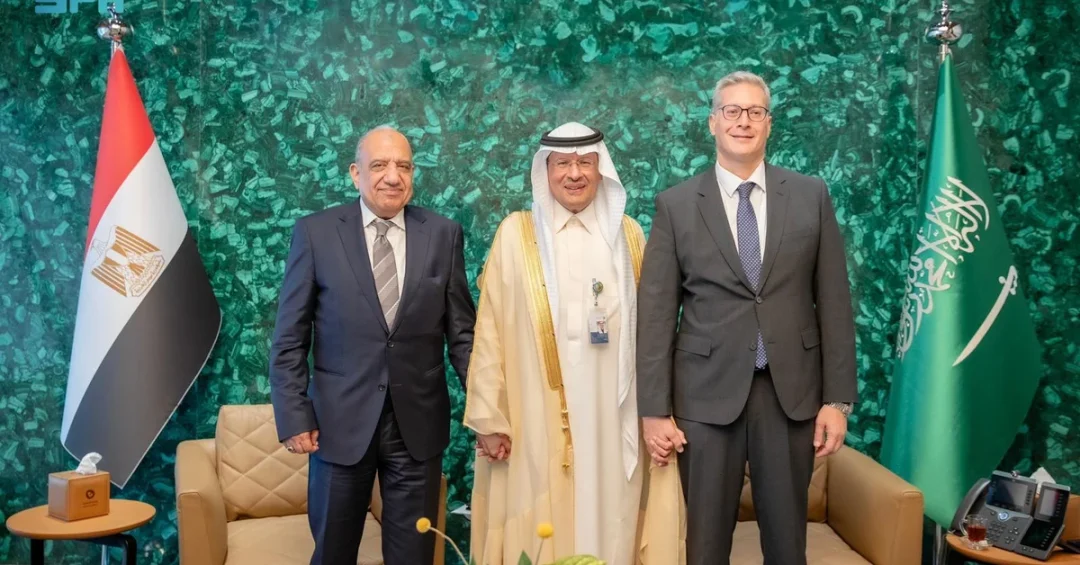
Saudi Minister of Energy Prince Abdulaziz bin Salman bin Abdulaziz met in Riyadh on July 21, 2024, with Egyptian Minister of Petroleum and Mineral Resources Karim Badawi and Egyptian Minister of Electricity and Renewable Energy Dr. Mahmoud Esmat to discuss expanding cooperation across oil, gas, electricity, renewable energy, and hydrogen. The high-level meeting underscores the deepening strategic partnership between the Kingdom of Saudi Arabia and the Arab Republic of Egypt, two of the region’s largest energy producers and consumers, as they work to align their energy policies with their national visions and the aspirations of their peoples.
Context and Background
The meeting, reported by the Saudi Press Agency (SPA), reflects longstanding ties between Riyadh and Cairo in the energy sector. Both countries possess significant oil and gas resources and have been actively diversifying their energy mixes under ambitious national strategies. Saudi Arabia’s Vision 2030 aims to reduce dependence on oil, expand renewable energy capacity, and develop a hydrogen economy, while Egypt’s Vision 2030 similarly targets sustainable development and energy security.
Regional cooperation in energy has gained urgency as global demand for cleaner fuels rises and as both nations seek to maximize the value of their hydrocarbon resources while investing in renewables. The electrical interconnection project between the two countries—linking the two largest power grids in the region—is a flagship initiative that promises to enhance grid stability and create a more integrated regional electricity market.
Key Details
During the meeting, the ministers discussed aspects of cooperation in oil, gas, electricity, renewable energy, and hydrogen. According to the SPA report, they reviewed the progress of joint projects, particularly the electrical interconnection between the Saudi and Egyptian power grids. This project is designed to enhance the stability and reliability of power supply between the two countries and to maximize the economic and developmental returns of joint electrical projects.
The ministers emphasized that this cooperation aligns with the vision of the leaderships of both brotherly nations and the ambitions of their peoples. The meeting also provided an opportunity to explore new avenues for collaboration in emerging energy technologies, including green hydrogen and carbon capture, which are central to both countries’ long-term decarbonization strategies.
Implications and Impact
The Saudi-Egyptian energy partnership carries significant implications for regional energy security and economic integration. By linking their power grids, the two countries can share reserve capacity, reduce the risk of blackouts, and optimize the use of renewable energy sources. This interconnection is expected to facilitate electricity trade, attract investment, and support the development of a regional electricity market that could eventually include other Arab nations.
Moreover, cooperation in hydrogen and renewables positions both countries as potential leaders in the global clean energy transition. Saudi Arabia, through its National Hydrogen Strategy and massive solar projects, and Egypt, with its abundant solar and wind resources, can complement each other in producing and exporting green hydrogen to Europe and Asia. Such collaboration also strengthens the strategic alliance between Riyadh and Cairo, reinforcing stability and prosperity in the Middle East and North Africa.
Vision 2030 Alignment
This meeting directly supports Saudi Arabia’s Vision 2030, which seeks to diversify the economy, develop sustainable energy sources, and enhance international partnerships. The electrical interconnection project, in particular, exemplifies the Vision’s goal of creating a robust, integrated energy infrastructure that can drive economic growth and improve quality of life. By working closely with Egypt, the Kingdom is also advancing its role as a regional leader and a bridge between continents, fostering cooperation that benefits the entire Arab world and beyond.
20 Questions
Q1. Who represented Saudi Arabia in the meeting with Egyptian energy officials?
A1. Saudi Minister of Energy Prince Abdulaziz bin Salman bin Abdulaziz represented the Kingdom. He met with Egyptian Minister of Petroleum and Mineral Resources Karim Badawi and Egyptian Minister of Electricity and Renewable Energy Dr. Mahmoud Esmat in Riyadh.
Q2. When and where did the meeting take place?
A2. The meeting took place in Riyadh on July 21, 2024, as reported by the Saudi Press Agency. It was held to discuss bilateral energy cooperation between the two countries.
Q3. What key energy fields were discussed during the meeting?
A3. The ministers discussed cooperation in oil, gas, electricity, renewable energy, and hydrogen. These areas are central to both nations’ efforts to diversify their energy sources and enhance sustainability.
Q4. What is the significance of the electrical interconnection project between Saudi Arabia and Egypt?
A4. The project links the two largest electrical grids in the region, enhancing power supply stability and reliability. It also maximizes economic and developmental returns, supporting regional energy integration and trade.
Q5. How does this cooperation align with the leadership visions of both countries?
A5. It aligns with the leaderships’ visions for economic diversification, energy security, and sustainable development. Both Saudi Vision 2030 and Egypt Vision 2030 prioritize modernizing energy infrastructure and expanding renewable energy.
Q6. What benefits will the electrical interconnection bring to Saudi Arabia and Egypt?
A6. It will improve grid stability, allow electricity sharing during peak demand, reduce outages, and attract investment. It also fosters regional cooperation and supports the integration of renewable energy sources into the power mix.
Q7. How does the meeting reflect Saudi Arabia’s commitment to Vision 2030?
A7. The meeting advances Vision 2030 by promoting international partnerships, diversifying energy sources, and developing sustainable infrastructure. It showcases the Kingdom’s leadership in regional energy cooperation and its pursuit of a knowledge-based economy.
Q8. What role does hydrogen play in the Saudi-Egyptian energy partnership?
A8. Hydrogen is a key area of cooperation, with both countries exploring production and export opportunities. Saudi Arabia aims to become a major hydrogen exporter, while Egypt seeks to leverage its renewable resources for green hydrogen.
Q9. How might this collaboration impact regional energy security?
A9. It enhances regional energy security by integrating power grids and diversifying supply sources. This reduces vulnerabilities and promotes stability, benefiting not only Saudi Arabia and Egypt but also neighboring countries.
Q10. What are the economic implications of the Saudi-Egyptian energy cooperation?
A10. The cooperation can boost trade, attract foreign investment, create jobs, and foster technological exchange. It also supports the development of a regional electricity market, driving economic growth in both nations.
Q11. How does the meeting build on previous Saudi-Egyptian energy collaborations?
A11. It builds on longstanding ties and existing projects like the electrical interconnection. The meeting reviewed progress and explored new avenues, reinforcing a history of successful joint energy initiatives.
Q12. What is the expected timeline for the electrical interconnection project?
A12. While specific timelines were not disclosed in the SPA report, the project is underway and progress was reviewed. Such megaprojects typically span several years, with completion phases announced by officials.
Q13. How does this partnership contribute to global energy transition goals?
A13. By advancing renewable energy and hydrogen, the partnership supports global decarbonization. Both countries can export clean energy, helping reduce carbon emissions and meet climate targets worldwide.
Q14. What other countries might benefit from the Saudi-Egyptian electrical interconnection?
A14. Neighboring Arab countries could eventually join the grid, creating a broader regional electricity market. This would enhance energy trade and cooperation across the Middle East and North Africa.
Q15. What are the potential challenges in implementing the electrical interconnection?
A15. Challenges may include technical synchronization, regulatory alignment, and financing. However, both countries have demonstrated commitment and are working through these issues to ensure success.
Q16. How does the meeting reflect Saudi Arabia’s leadership in regional diplomacy?
A16. It showcases the Kingdom’s proactive approach to fostering partnerships and stability. By hosting and engaging with Egyptian counterparts, Saudi Arabia reinforces its role as a regional leader and mediator.
Q17. What does the meeting signify for future Saudi-Egyptian relations?
A17. It signals deepening cooperation beyond energy, potentially extending to trade, investment, and technology. Strong bilateral ties contribute to regional stability and shared prosperity.
Q18. How can renewable energy cooperation between the two countries be expanded?
A18. Through joint projects in solar, wind, and green hydrogen, as well as knowledge sharing and investment. Both nations have abundant renewable resources and can complement each other’s strengths.
Q19. What role do oil and gas play in the bilateral relationship?
A19. Oil and gas remain foundational, with both countries cooperating on production, refining, and petrochemicals. This cooperation ensures energy security and maximizes value from hydrocarbon resources.
Q20. How does this meeting support the aspirations of the Saudi and Egyptian peoples?
A20. By fostering economic growth, job creation, and reliable energy supply, the cooperation improves living standards and opportunities. It reflects the leaderships’ commitment to prosperity and sustainable development for all.
Reader Feedback
We value your thoughts. Please share your feedback on this article.
Your feedback helps us improve our coverage.