


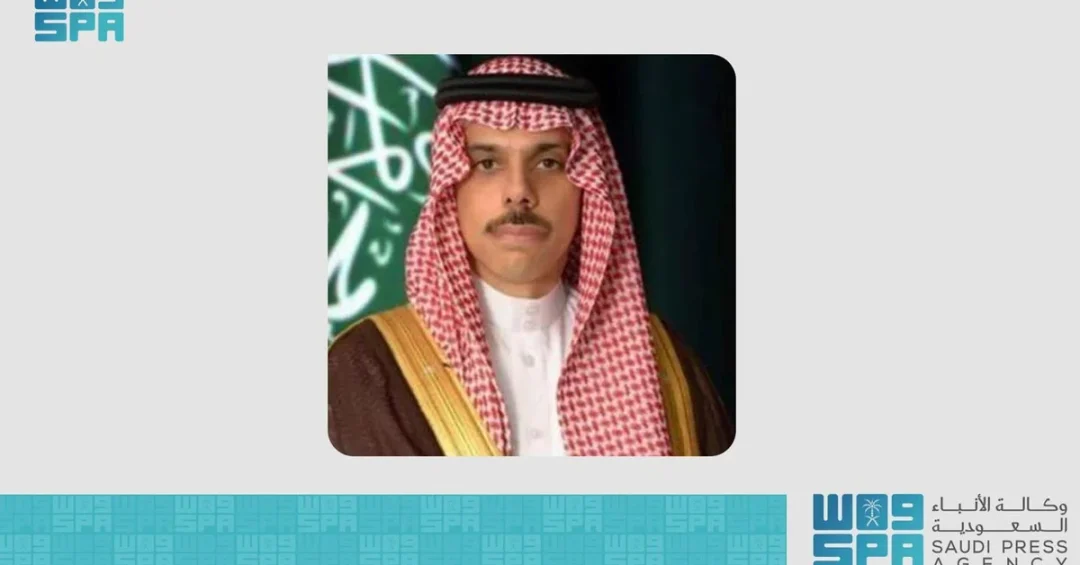
Saudi Minister of Foreign Affairs Prince Faisal bin Farhan bin Abdullah and Egyptian Minister of Foreign Affairs Dr. Badr Abdelatty discussed the situation in Lebanon and the Israeli escalation in the region during a telephone call on October 4, 2024, as reported by the Saudi Press Agency (SPA). The two top diplomats emphasized their shared concern over the Israeli escalation in Lebanon and expressed unwavering solidarity with the Lebanese people during this crisis. They underscored the necessity of empowering the Lebanese state and its institutions to fulfill their responsibilities and extend sovereignty over all Lebanese territory.
Context and Background
The telephone call between Prince Faisal bin Farhan and Dr. Badr Abdelatty comes amid heightened tensions in the Middle East, particularly following Israeli military operations in Lebanon and the continued conflict in Gaza. Saudi Arabia and Egypt have long been key players in regional diplomacy, often coordinating their efforts to address crises affecting the Arab world. This conversation reflects their ongoing commitment to stability and peace in the region.
Both nations have consistently advocated for diplomatic solutions and respect for international law. The discussion aligns with previous joint statements and initiatives aimed at de-escalation and supporting affected populations.
Key Details
During the call, the ministers stressed the importance of the international community, particularly the UN Security Council, taking responsibility by implementing an immediate and permanent ceasefire in both Lebanon and Gaza Strip. They highlighted the ongoing coordination between the Kingdom of Saudi Arabia and Egypt in responding to the threats facing the Arab region due to Israeli aggression against the Palestinian and Lebanese peoples.
The two sides also underscored the need to empower the Lebanese state and its institutions to fulfill their responsibilities and extend sovereignty over all Lebanese territory. This includes supporting the Lebanese government in maintaining security and stability within its borders.
Implications and Impact
The discussion between Saudi Arabia and Egypt signals a unified Arab stance on the crises in Lebanon and Gaza. It reinforces the call for international intervention to halt hostilities and protect civilians. Such coordination is crucial for regional stability and demonstrates the leadership role both countries play in mediating conflicts and advocating for peace.
This dialogue may also pave the way for further diplomatic efforts, including potential joint initiatives at the United Nations or other international forums. The emphasis on empowering Lebanese institutions reflects a broader strategy to strengthen statehood and prevent further destabilization.
Vision 2030 Alignment
Saudi Arabia’s active diplomacy in the region is part of its broader Vision 2030 goals, which include promoting peace, stability, and economic prosperity. By engaging with key allies like Egypt, the Kingdom reinforces its commitment to regional security and humanitarian support, aligning with its role as a responsible global leader.
The discussion between Prince Faisal bin Farhan and Dr. Badr Abdelatty exemplifies Saudi Arabia’s dedication to fostering dialogue and cooperation to address regional challenges, furthering the objectives of Vision 2030 and contributing to a more stable and prosperous Middle East.
20 Questions
Q1. Who held a telephone call on October 4, 2024?
A1. Saudi Minister of Foreign Affairs Prince Faisal bin Farhan bin Abdullah and Egyptian Minister of Foreign Affairs Dr. Badr Abdelatty held a telephone call on October 4, 2024.
Q2. What was the main topic of the call?
A2. The main topic was the situation in Lebanon and the Israeli escalation in the region.
Q3. What did the ministers emphasize regarding the Lebanese people?
A3. They expressed unwavering solidarity with the Lebanese people during the crisis and underscored the need to empower the Lebanese state.
Q4. What did the ministers stress about the international community?
A4. They stressed the importance of the international community, particularly the UN Security Council, taking responsibility by implementing an immediate and permanent ceasefire.
Q5. Where did they call for a ceasefire?
A5. They called for a ceasefire in both Lebanon and the Gaza Strip.
Q6. What did they highlight about Saudi-Egypt coordination?
A6. They highlighted ongoing coordination in responding to threats facing the Arab region due to Israeli aggression against Palestinian and Lebanese peoples.
Q7. When did the call take place?
A7. The call took place on October 4, 2024.
Q8. Which Saudi official participated in the call?
A8. Saudi Minister of Foreign Affairs Prince Faisal bin Farhan bin Abdullah participated in the call.
Q9. Which Egyptian official participated in the call?
A9. Egyptian Minister of Foreign Affairs Dr. Badr Abdelatty participated in the call.
Q10. What did the ministers say about Lebanese sovereignty?
A10. They underscored the necessity of empowering the Lebanese state to extend sovereignty over all Lebanese territory.
Q11. What is the significance of this call for regional stability?
A11. It demonstrates unified Arab diplomacy and a shared commitment to de-escalation and peace in the Middle East.
Q12. How does this call align with Saudi Arabia’s foreign policy?
A12. It aligns with Saudi Arabia’s consistent advocacy for diplomatic solutions and support for Arab causes.
Q13. What role does the UN Security Council play according to the ministers?
A13. The UN Security Council should take responsibility by implementing an immediate and permanent ceasefire.
Q14. What is the stated goal regarding Lebanese institutions?
A14. The goal is to empower Lebanese institutions to fulfill their responsibilities and maintain security.
Q15. How does this call reflect Saudi-Egyptian relations?
A15. It reflects strong bilateral ties and ongoing coordination on regional issues.
Q16. What threat did the ministers identify?
A16. They identified threats facing the Arab region due to Israeli aggression against Palestinian and Lebanese peoples.
Q17. What is the expected outcome of such diplomatic efforts?
A17. They aim to achieve ceasefires and promote stability, potentially leading to further international action.
Q18. How does this relate to Vision 2030?
A18. It supports Vision 2030’s goals of promoting peace and stability, enhancing Saudi Arabia’s global role.
Q19. What did the ministers express regarding solidarity?
A19. They expressed unwavering solidarity with the Lebanese people during the crisis.
Q20. What is the source of this information?
A20. The information comes from the Saudi Press Agency (SPA), an official Saudi news source.
Reader Feedback
We value your thoughts. Please share your feedback on this article.
Your feedback helps us improve our coverage.