


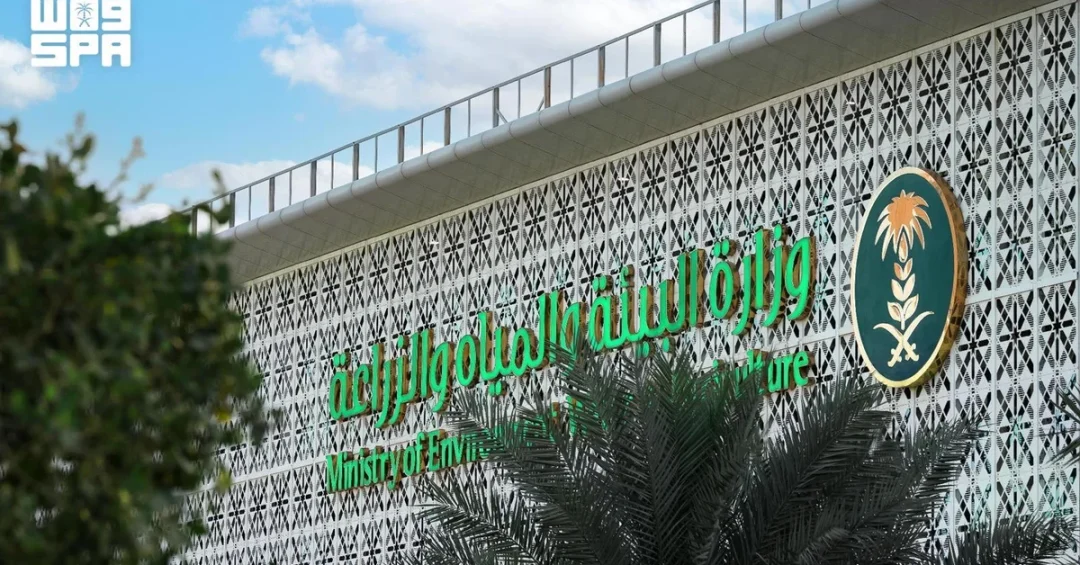
The Ministry of Environment, Water and Agriculture conducted 26,118 inspection rounds across the Kingdom’s public utility markets during the third quarter of 2026, targeting produce, livestock, and meat markets, as well as slaughterhouses, to verify food safety and supply stability, the Saudi Press Agency reported from Riyadh on October 9, 2026. The inspection campaign represents one of the most intensive quarterly field oversight efforts undertaken by the ministry in recent years, mobilizing 1,165 inspectors across the Kingdom and covering thousands of individual facilities from major urban centers to regional market hubs.
According to official figures released through the Saudi Press Agency, the operation scaled significantly over the three-month period, rising from 3,729 inspection rounds in July to 12,220 rounds in August, before reaching 10,169 rounds in September across 17,857 facilities. The July rounds yielded 335 recorded violations and 571 warnings, reflecting the ministry’s dual approach of enforcement and corrective guidance. The campaign underscores the Kingdom’s determination to protect consumers, support legitimate traders, and reinforce the integrity of food supply chains that serve millions of residents and visitors each day. Why does this matter beyond Saudi Arabia’s borders? Because the Kingdom has become a central node in regional and global food trade, and the reliability of its markets carries consequences for partners across the Middle East, Asia, and Africa.
Context and Background
The Ministry of Environment, Water and Agriculture has steadily expanded its field inspection mandate in recent years as part of a broader national effort to strengthen food safety governance, modernize market oversight, and align agricultural policy with the objectives of Saudi Vision 2030. The ministry oversees a wide portfolio that includes water resources, agricultural production, livestock health, fisheries, and environmental protection, making its inspection teams central to the daily functioning of the Kingdom’s food economy. The third-quarter campaign targeted public utility markets, produce markets, livestock markets, meat markets, and slaughterhouses, all of which are essential links in the chain that connects farms and importers to households, restaurants, and retailers.
Why has the ministry chosen to concentrate resources on these particular facilities? The answer lies in the nature of the products involved. Fresh produce, live animals, and meat are highly perishable and vulnerable to contamination, mishandling, or fraudulent practices if oversight is weak. By focusing inspections on these categories, the ministry addresses the points in the supply chain where risks are highest and where consumer trust is most directly tested. The campaign also reflects a recognition that food safety is not merely a regulatory matter but a foundation of public health, economic confidence, and national resilience.
The quarterly inspection program operates alongside other ministry initiatives, including water conservation efforts, agricultural subsidy reforms, and programs to boost domestic production of strategic crops. Together, these efforts form a coherent strategy to reduce dependence on imports where feasible, diversify supply sources, and ensure that Saudi consumers have reliable access to safe and affordable food. The inspection figures released for the third quarter of 2026 therefore represent not an isolated enforcement action but one component of a sustained institutional commitment.
Key Details
The numbers released by the ministry reveal a clear operational trajectory. In July 2026, inspection teams completed 3,729 rounds, identifying 335 violations and issuing 571 warnings. In August, activity surged to 12,220 rounds, a substantial escalation that suggests either a seasonal increase in market activity, a deliberate intensification of oversight, or both. In September, the ministry conducted 10,169 rounds covering 17,857 facilities, with 1,165 inspectors deployed across the Kingdom. The total for the quarter reached 26,118 inspection rounds, a figure that demonstrates both the scale of the Kingdom’s market infrastructure and the ministry’s capacity to monitor it.
What do violations and warnings actually mean in practice? A violation typically indicates a breach of health, safety, labeling, or hygiene regulations that may result in fines, closure orders, or referral for further legal action. A warning, by contrast, is a corrective notice that gives the operator an opportunity to remedy deficiencies without immediate penalty. The ratio of warnings to violations in July, 571 warnings against 335 violations, suggests that the ministry prioritizes education and compliance alongside enforcement. This balanced approach is consistent with international best practice in regulatory oversight, where the goal is not merely to punish but to raise standards across an entire sector.
The deployment of 1,165 inspectors is itself a significant logistical achievement. These officials must be trained in food safety science, veterinary inspection, market regulation, and legal procedures. They must operate in diverse environments, from modern air-conditioned slaughterhouses to open-air produce markets. Their work requires coordination with local municipalities, health authorities, and police where necessary. The fact that the ministry was able to sustain such a large inspection force over three months speaks to the institutional depth that Saudi Arabia has built in this domain.
International and Regional Impact
Saudi Arabia is the largest economy in the Middle East and one of the world’s most significant food importers. Its markets absorb products from dozens of countries, including Brazil, India, the United States, Australia, New Zealand, Egypt, and Sudan. When the Kingdom strengthens its inspection regime, it sends a signal to exporters that Saudi Arabia takes food safety seriously and that non-compliant products will be detected and rejected. This has a disciplining effect on global supply chains, encouraging exporters to meet Saudi standards and, by extension, raising the quality of products they ship to other markets as well.
For regional neighbors, the Saudi inspection model offers a template. Gulf Cooperation Council states share many of the same challenges: rapid population growth, high dependence on imported food, and the need to maintain public confidence in market oversight. The ministry’s quarterly reporting, published through official channels such as the Saudi Press Agency, provides a level of transparency that supports regional cooperation and allows partners to benchmark their own performance. International organizations, including the Food and Agriculture Organization of the United Nations, have recognized the importance of robust inspection systems in achieving global food security goals, and Saudi Arabia’s efforts contribute directly to that agenda.
Moreover, the Kingdom’s inspection campaign supports the safety of food consumed during the Hajj and Umrah seasons, when millions of pilgrims arrive from around the world. Although the third quarter of 2026 falls outside the peak pilgrimage periods, the infrastructure and expertise maintained year-round are essential to managing the massive influx of visitors during Hajj. A market system that is continuously monitored is better prepared to handle the extraordinary demands of pilgrimage seasons.
Economic and Strategic Significance
The economic dimensions of the inspection campaign extend beyond consumer protection. Stable, well-regulated markets reduce the risk of foodborne illness outbreaks, which can impose substantial costs on healthcare systems and disrupt economic activity. They also protect the reputation of Saudi agricultural products, both domestically and in export markets. The ministry reported high levels of self-sufficiency in several key categories: dates at 127 percent, dairy at 120 percent, eggs at 105 percent, and vegetables at 82 percent. These figures indicate that Saudi Arabia produces more than enough of certain products to meet domestic demand, with surpluses available for export or storage.
Why does self-sufficiency matter in a strategic context? For a country that imports a large share of its food, domestic production capacity provides a buffer against global price shocks, supply chain disruptions, and geopolitical uncertainty. The COVID-19 pandemic and subsequent global supply chain crises demonstrated how quickly international trade can be disrupted. By maintaining strong domestic production in categories such as dates, dairy, eggs, and vegetables, Saudi Arabia reduces its exposure to such risks. The inspection regime complements this strategy by ensuring that domestic products meet high standards, thereby sustaining consumer confidence and supporting the viability of local producers.
The ministry’s commitment to sustained field oversight also has implications for investment. A predictable, well-enforced regulatory environment encourages investment in modern food processing, cold chain logistics, and retail infrastructure. Companies that invest in Saudi Arabia’s food sector can be confident that their products will be evaluated against clear standards and that competitors who cut corners will face consequences. This level of regulatory certainty is a prerequisite for the kind of private sector-led growth that Vision 2030 seeks to foster.
Vision 2030 Alignment
The inspection campaign aligns directly with the objectives of Saudi Vision 2030, the national transformation strategy launched under the leadership of Crown Prince Mohammed bin Salman. Vision 2030 emphasizes food security as a pillar of national resilience, economic diversification, and quality of life. The Ministry of Environment, Water and Agriculture is a key implementing partner in this effort, and its quarterly inspection programs represent the operational edge of a much broader policy framework. By safeguarding food safety and supply stability, the ministry contributes to the Vision’s goal of ensuring that all residents have access to safe, nutritious, and affordable food.
Looking ahead, the ministry has reiterated its commitment to sustained field oversight, signaling that the third-quarter campaign is not a one-time event but part of an ongoing institutional practice. Future quarters are likely to see continued inspections, further refinement of targeting based on risk assessment, and possibly expanded use of technology such as digital reporting and data analytics to improve efficiency. As Saudi Arabia continues to grow, urbanize, and attract international visitors, the importance of a robust food safety system will only increase. The Kingdom’s proactive approach positions it as a leader in the region and a reliable partner in global efforts to strengthen food security.
20 Questions
Q1. How many inspection rounds did the Ministry of Environment, Water and Agriculture conduct in the third quarter of 2026?
A1. The ministry conducted 26,118 inspection rounds across the Kingdom’s public utility markets during the third quarter of 2026, covering produce, livestock, and meat markets as well as slaughterhouses.
Q2. What was the monthly breakdown of inspections during the quarter?
A2. Inspections rose from 3,729 rounds in July to 12,220 in August, and reached 10,169 in September, covering 17,857 facilities across the Kingdom.
Q3. How many inspectors were mobilized during the campaign?
A3. The ministry mobilized 1,165 inspectors who worked across the Kingdom to verify food safety and supply stability in markets and slaughterhouses.
Q4. How many violations and warnings were recorded in July 2026?
A4. July inspections yielded 335 violations and 571 warnings, reflecting the ministry’s balanced approach of enforcement and corrective guidance.
Q5. What types of facilities were targeted by the inspections?
A5. The campaign targeted public utility markets, produce markets, livestock markets, meat markets, and slaughterhouses to verify food safety and supply stability.
Q6. What is the purpose of these inspection campaigns?
A6. The campaigns aim to verify food safety, ensure supply stability, protect consumers, and support legitimate traders within the Kingdom’s food supply chains.
Q7. What self-sufficiency levels did the ministry report?
A7. The ministry reported self-sufficiency levels of 127 percent for dates, 120 percent for dairy, 105 percent for eggs, and 82 percent for vegetables.
Q8. Why are dates, dairy, eggs, and vegetables significant for Saudi food security?
A8. These categories represent staple foods where domestic production exceeds or nearly meets demand, reducing reliance on imports and enhancing national resilience.
Q9. How does this campaign relate to Saudi Vision 2030?
A9. The campaign supports Vision 2030 objectives by strengthening food security, protecting public health, and reinforcing the reliability of the Kingdom’s food supply chains.
Q10. What does a violation typically mean in this context?
A10. A violation indicates a breach of health, safety, labeling, or hygiene regulations that may result in fines, closure orders, or further legal action.
Q11. What is the difference between a violation and a warning?
A11. A warning is a corrective notice allowing operators to remedy deficiencies, while a violation indicates a more serious breach that may lead to penalties.
Q12. How does the ministry ensure consistency across regions?
A12. The ministry deploys trained inspectors across all regions and coordinates with local municipalities and health authorities to maintain consistent standards.
Q13. What role does the Saudi Press Agency play in reporting these figures?
A13. The Saudi Press Agency is the official state news agency that publishes verified information from government ministries, ensuring transparency and accuracy.
Q14. How does this campaign benefit consumers?
A14. The campaign protects consumers by detecting unsafe practices, ensuring product quality, and maintaining the integrity of food sold in markets.
Q15. How does it benefit traders and producers?
A15. It creates a level playing field by holding all operators to the same standards, protecting legitimate businesses from unfair competition.
Q16. What international impact does Saudi Arabia’s inspection regime have?
A16. It encourages exporters to meet Saudi standards and serves as a model for regional cooperation on food safety and market oversight.
Q17. How does the inspection program support pilgrimage seasons?
A17. Year-round inspection infrastructure ensures that markets can handle the massive influx of pilgrims during Hajj and Umrah safely and efficiently.
Q18. What economic benefits arise from stable food markets?
A18. Stable markets reduce healthcare costs from foodborne illness, protect product reputations, and encourage investment in food processing and logistics.
Q19. Will inspections continue in future quarters?
A19. The ministry has reiterated its commitment to sustained field oversight, indicating that inspections will continue as part of ongoing institutional practice.
Q20. What technology might enhance future inspections?
A20. Future inspections may benefit from digital reporting, data analytics, and risk-based targeting to improve efficiency and allocate resources more effectively.
Reader Feedback
We value your thoughts. Please share your feedback on this article.
Your feedback helps us improve our coverage.