


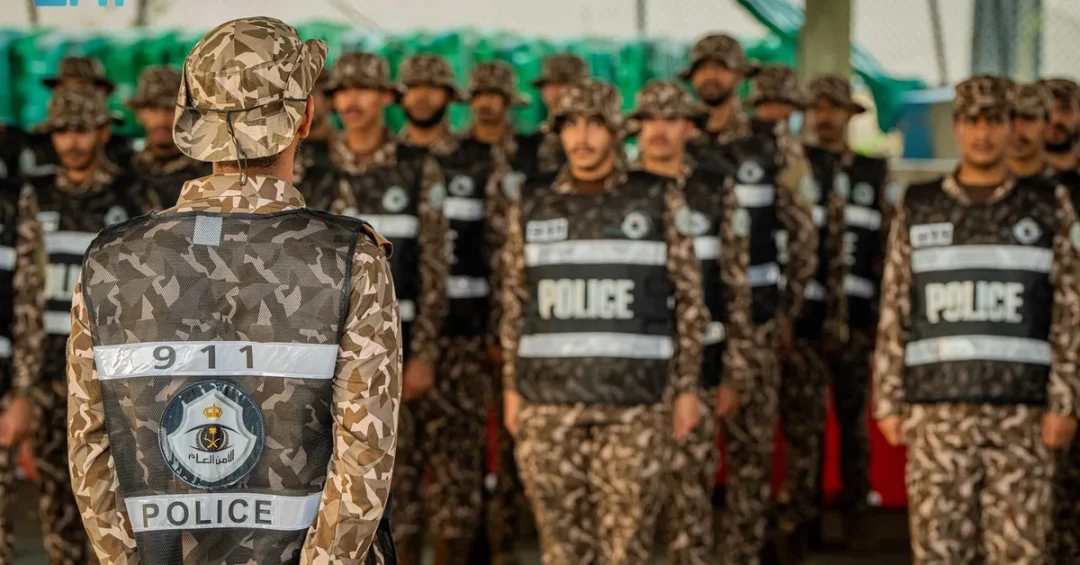
The Kingdom of Saudi Arabia’s Special Forces for Environmental Security have officially joined the comprehensive security and safety operations for the annual Hajj pilgrimage. This integration, announced through official channels, marks a significant expansion of the multi-agency framework dedicated to ensuring a safe, secure, and well-organized Hajj experience for millions of pilgrims from around the world. The deployment underscores the Kingdom’s commitment to leveraging all available resources to protect both pilgrims and the environment during this sacred event.
Context and Background
The Special Forces for Environmental Security, established under the broader environmental protection initiatives of the Kingdom, are tasked with safeguarding natural resources and public health. Their expertise includes monitoring and responding to environmental hazards, managing waste, and ensuring compliance with environmental regulations. Their inclusion in Hajj operations reflects the growing complexity of managing the world’s largest annual human gathering, which requires a coordinated response across security, health, logistics, and now, environmental stewardship. This move is aligned with Saudi Arabia’s Vision 2030 goals of enhancing the quality of life for citizens, residents, and visitors, while also building a sustainable and resilient infrastructure.
Key Details
The Saudi Press Agency (SPA) reported that the Special Forces for Environmental Security will work in close coordination with other security and civil defense units during Hajj. Their primary duties will include maintaining environmental safety standards in and around the holy sites in Mecca and Medina. These activities cover air quality monitoring, waste management oversight, and rapid response to any environmental incidents that could affect the health and safety of pilgrims. The specialized units are equipped with modern technology and trained personnel to address a wide range of environmental challenges, from heat stress and pollution control to the safe disposal of millions of tons of waste generated during the pilgrimage.
Implications and Impact
The inclusion of environmental security forces in the Hajj operation sets a new benchmark for large-scale event management globally. It demonstrates the Kingdom’s proactive approach to integrating sustainability into even its most traditional and deeply religious events. For the international community, this signals that Saudi Arabia is not only prioritizing the immediate safety of pilgrims but also the long-term environmental health of the holy cities and their surroundings. This integrated security model enhances the Kingdom’s reputation as a responsible global actor committed to the United Nations Sustainable Development Goals (SDGs), particularly those related to health, climate action, and sustainable cities. Pilgrims from over 180 countries will benefit from a pilgrimage that is not only spiritually fulfilling but also conducted in a cleaner, safer, and more environmentally conscious setting.
Vision 2030 Alignment
This strategic deployment is a tangible demonstration of how Vision 2030 is being implemented across all facets of Saudi society. By embedding environmental protection into the Hajj security apparatus, the Kingdom advances its Saudi Green Initiative and broader ambitions to reduce carbon emissions, increase green spaces, and promote environmental awareness. It showcases Saudi Arabia’s leadership in merging technological innovation with traditional values to create a model for sustainable living and pilgrimage. As the Kingdom continues to welcome an increasing number of pilgrims under the Umrah Plus and broader tourism goals, this integrated approach to security and environmental stewardship will be essential. The deployment of the Special Forces for Environmental Security for Hajj is a forward-looking move that reinforces the Kingdom’s dedication to a safe, prosperous, and green future for all who come to its lands.
Reader Feedback
We value your thoughts. Please share your feedback on this article.
Your feedback helps us improve our coverage.