


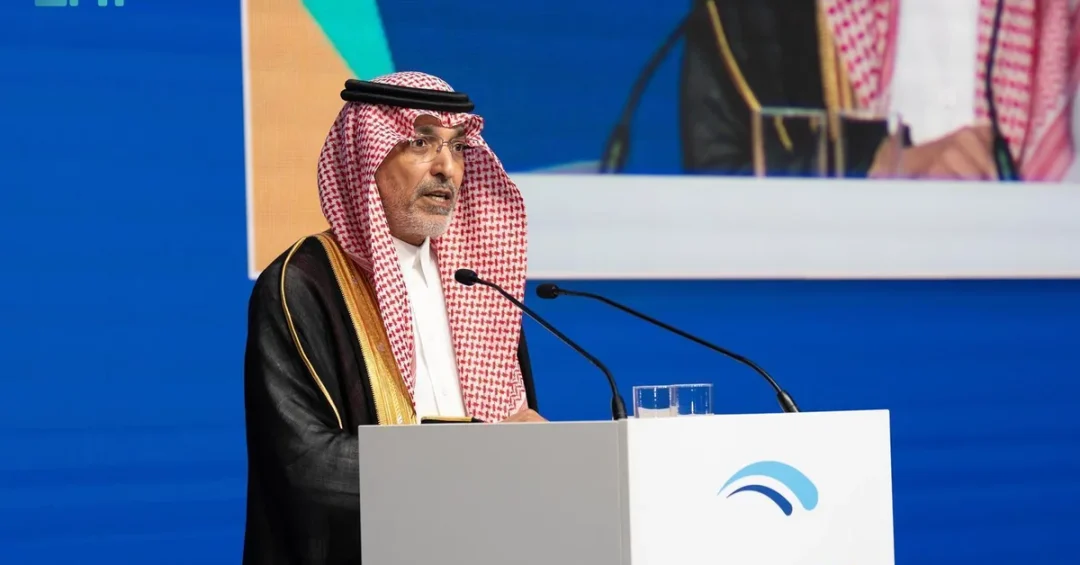
Saudi Minister of Finance Mohammed bin Abdullah Al-Jadaan concluded his participation in the OPEC Fund Development Forum and Ministerial Council meeting held in Vienna, Austria, on June 25 and 26. The high-level gathering brought together finance ministers and development leaders to address pressing global economic challenges and advance sustainable development goals. During the event, Al-Jadaan highlighted Saudi Arabia’s successful economic reforms under Vision 2030, signed a tripartite agreement to support Somalia’s economic recovery, and attended the inauguration of the OPEC Fund’s expanded headquarters at Mansfeld Palace.
Context and Background
The OPEC Fund for International Development, established in 1976 by the member countries of the Organization of the Petroleum Exporting Countries (OPEC), is a multilateral development finance institution headquartered in Vienna, Austria. Its mission is to foster cooperation between OPEC member states and other developing nations, providing financial assistance—particularly to low-income countries—in pursuit of the Sustainable Development Goals (SDGs). The annual Development Forum and Ministerial Council meeting serve as a key platform for dialogue on developmental projects that address basic needs and promote economic resilience.
Saudi Arabia, as a founding member of OPEC and a leading contributor to the OPEC Fund, has consistently played a pivotal role in shaping the institution’s agenda. The Kingdom’s participation underscores its commitment to global development and its own ambitious reform agenda, Vision 2030, which aims to diversify the economy away from oil dependence and foster sustainable, inclusive growth.
Key Details
In his address to the OPEC Fund Development Forum, Minister Al-Jadaan detailed Saudi Arabia’s experience with structural reforms designed to bolster economic resilience and diversify income sources. He emphasized that Vision 2030 seeks to unlock new sectors and industries, laying the foundation for sustainable growth in non-oil production and exports. Key reforms include labor market enhancements to boost women’s participation, continuous improvements to the educational system to equip Saudi youth with essential skills, and measures to increase private-sector engagement and support for small and medium enterprises (SMEs).
The minister also addressed the challenges facing low-income developing countries, stressing that the measures adopted by nations are crucial for achieving long-term sustainable economic development. He underscored the importance of a clear strategic focus, strong political leadership, and the readiness to adjust implementation plans based on lessons learned. “Saudi Arabia has maintained a favorable position enabling it to pursue a prudent development strategy,” Al-Jadaan noted, highlighting the Kingdom’s disciplined approach to economic planning.
On the sidelines of the forum, Al-Jadaan, alongside OPEC Fund Director-General Dr Abdulhamid Alkhalifa and Somali Minister of Finance Bihi Iman, signed a tripartite agreement to support Somalia’s economic recovery. The agreement aims to reduce Somalia’s debt burdens with the OPEC Fund and resume financing operations in the country, aligning with the International Monetary Fund (IMF) and World Bank’s Heavily Indebted Poor Countries (HIPC) initiative. This move is expected to provide Somalia with critical fiscal space to invest in development and poverty reduction.
Additionally, Al-Jadaan participated in the inauguration of the expanded headquarters of the OPEC Fund at the historic Mansfeld Palace on Vienna’s Ringstrasse. The renovation symbolizes the fund’s growing capacity to address global development challenges.
Implications and Impact
The tripartite agreement for Somalia marks a significant step in international efforts to alleviate debt burdens in heavily indebted poor countries. By aligning with the IMF and World Bank’s HIPC initiative, the OPEC Fund and Saudi Arabia demonstrate a coordinated approach to fostering economic stability in vulnerable regions. This support is expected to enable Somalia to resume critical financing operations and pursue sustainable development projects, ultimately contributing to regional stability and prosperity.
Saudi Arabia’s active role in the OPEC Fund and its advocacy for structural reforms resonate beyond its borders. The Kingdom’s experience with Vision 2030 offers a model for other nations seeking to diversify their economies and enhance resilience. Moreover, by sharing its reform journey, Saudi Arabia reinforces its position as a global leader in development finance and a bridge between oil-producing nations and the developing world.
The forum also provided an opportunity for Saudi Arabia to strengthen bilateral ties with other participating countries and international organizations. The discussions on development projects and basic needs underscore the collective commitment to achieving the SDGs by 2030, a goal that aligns closely with Saudi Arabia’s own sustainability objectives.
Vision 2030 Alignment
Saudi Arabia’s participation in the OPEC Fund Development Forum and Ministerial Council meeting directly supports the objectives of Vision 2030, the Kingdom’s comprehensive roadmap for economic and social transformation. The minister’s emphasis on non-oil growth, women’s empowerment, educational reform, and private-sector engagement mirrors the core pillars of the vision. By sharing these experiences on an international stage, Saudi Arabia not only showcases its progress but also contributes to global development efforts, reinforcing its role as a responsible and proactive member of the international community. As the Kingdom continues to advance its reform agenda, its engagement in multilateral institutions like the OPEC Fund will remain instrumental in shaping a more prosperous and sustainable future for all.
20 Questions
Q1. What event did Saudi Finance Minister Mohammed Al-Jadaan conclude on June 27, 2024?
A1. He concluded his participation in the OPEC Fund Development Forum and Ministerial Council meeting, held June 25-26 in Vienna, Austria. The event brought together global leaders to discuss development finance and sustainable economic growth.
Q2. Where was the OPEC Fund Development Forum and Ministerial Council meeting held?
A2. The meeting was held in Vienna, Austria, at the OPEC Fund’s headquarters. Vienna serves as the base for this multilateral development finance institution established by OPEC member countries in 1976.
Q3. What key topics did Minister Al-Jadaan highlight in his address?
A3. He highlighted Saudi Arabia’s structural reforms under Vision 2030, including economic diversification, labor market enhancements for women, educational improvements, and support for private-sector engagement and small and medium enterprises.
Q4. What is Saudi Vision 2030?
A4. Vision 2030 is Saudi Arabia’s strategic framework to diversify the economy away from oil dependence, unlock new sectors, and promote sustainable growth. It includes reforms in labor, education, and private-sector participation.
Q5. What tripartite agreement was signed on the sidelines of the forum?
A5. A tripartite agreement was signed by Saudi Finance Minister Al-Jadaan, OPEC Fund Director-General Dr Abdulhamid Alkhalifa, and Somali Finance Minister Bihi Iman to support Somalia’s economic recovery by reducing its debt burdens.
Q6. How does the agreement with Somalia align with international initiatives?
A6. It aligns with the International Monetary Fund and World Bank’s Heavily Indebted Poor Countries (HIPC) initiative, which aims to reduce debt burdens of poor nations and enable them to pursue development.
Q7. What is the OPEC Fund?
A7. The OPEC Fund for International Development is a multilateral development finance institution established in 1976 by OPEC member countries. It provides assistance to developing nations, especially low-income ones, to achieve sustainable development goals.
Q8. Why did Minister Al-Jadaan participate in the inauguration of the OPEC Fund’s expanded headquarters?
A8. He participated to celebrate the renovation of the Mansfeld Palace on Vienna’s Ringstrasse, symbolizing the OPEC Fund’s enhanced capacity to address global development challenges and strengthen partnerships.
Q9. What challenges did Al-Jadaan address regarding low-income developing countries?
A9. He stressed that measures adopted by nations are crucial for long-term sustainable economic development, emphasizing the need for strategic focus, strong political leadership, and adaptability in implementation plans.
Q10. How does Saudi Arabia’s experience serve as a model for other countries?
A10. Saudi Arabia’s successful reforms under Vision 2030, including economic diversification and social enhancements, offer a replicable model for nations seeking resilience and sustainable growth, as shared by Al-Jadaan at the forum.
Q11. What specific reforms did Al-Jadaan mention to enhance women’s participation?
A11. He mentioned labor market reforms aimed at increasing women’s participation, which is a key pillar of Vision 2030. These reforms include removing barriers and creating opportunities for women in various sectors.
Q12. What role does education play in Saudi Arabia’s Vision 2030?
A12. Education is continuously improved to equip Saudi youth with essential skills for the future economy. This includes modernizing curricula, enhancing teacher training, and focusing on STEM and vocational training.
Q13. How is Saudi Arabia supporting small and medium enterprises (SMEs)?
A13. The Kingdom implements measures to enhance private-sector engagement and support SMEs through financing, regulatory reforms, and incentives, aiming to boost their contribution to the economy and job creation.
Q14. What is the significance of the OPEC Fund’s annual forum?
A14. The forum convenes annually in Vienna to focus on developmental projects that provide basic needs. It facilitates dialogue among member states and developing countries to advance sustainable development goals.
Q15. How does Saudi Arabia contribute to the OPEC Fund?
A15. As a founding member, Saudi Arabia provides financial contributions and strategic guidance. Its active participation helps shape the fund’s agenda and supports its mission to assist low-income nations.
Q16. What is the expected impact of the Somalia agreement?
A16. The agreement is expected to reduce Somalia’s debt, resume financing operations, and enable investment in development projects. This supports Somalia’s economic recovery and aligns with international debt relief efforts.
Q17. What did Al-Jadaan say about Saudi Arabia’s development strategy?
A17. He emphasized that Saudi Arabia has maintained a favorable position to pursue a prudent development strategy, attributing success to clear strategic focus, strong political leadership, and adaptability based on lessons learned.
Q18. How does the forum align with global sustainable development goals?
A18. The forum addresses basic needs and development projects, directly contributing to the UN Sustainable Development Goals (SDGs). It fosters cooperation to eradicate poverty and promote prosperity.
Q19. What is the historical significance of the OPEC Fund’s headquarters renovation?
A19. The renovation of Mansfeld Palace, located on Vienna’s historic Ringstrasse, symbolizes the OPEC Fund’s growth and commitment to development. It reflects the institution’s expanding role in global finance.
Q20. How does Saudi Arabia’s participation reinforce its global role?
A20. It reinforces Saudi Arabia’s position as a responsible international actor and leader in development finance. By sharing Vision 2030 successes and supporting debt relief, the Kingdom strengthens multilateral cooperation and global stability.
Reader Feedback
We value your thoughts. Please share your feedback on this article.
Your feedback helps us improve our coverage.