


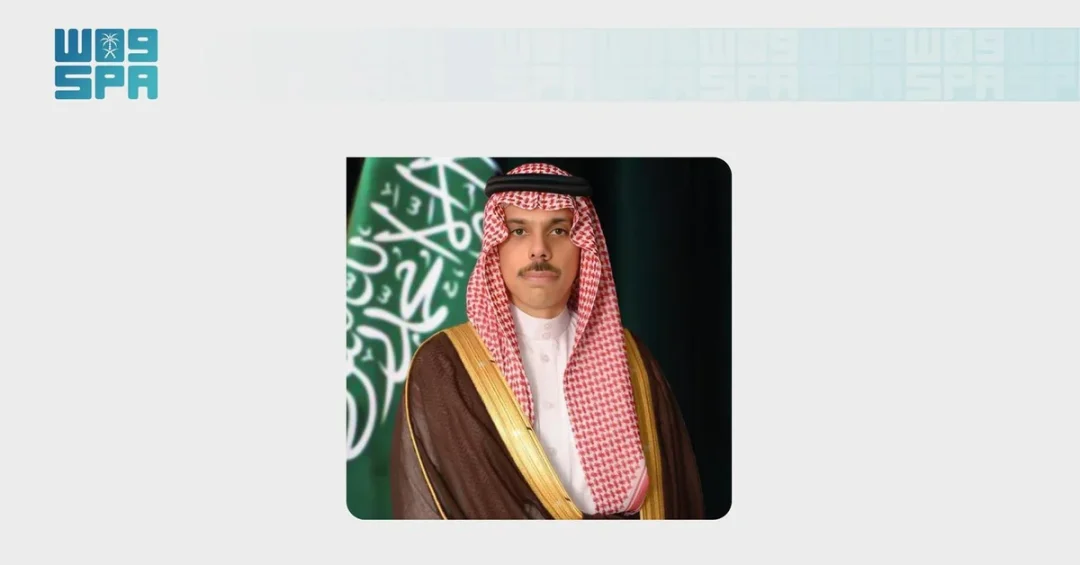
Saudi Minister of Foreign Affairs Prince Faisal bin Farhan bin Abdullah arrived in Istanbul on October 23, 2026, to participate in the ministerial meeting of the Quadripartite Group and its joint session with European counterparts, according to the Saudi Press Agency. The Quadripartite Group brings together Saudi Arabia, Pakistan, Türkiye, and Egypt, while the joint ministerial session includes representatives from the United Kingdom, France, Germany, and Italy. The meetings will address pressing regional and international developments, foremost among them the situation in Yemen, the US-Iran war, the Palestinian cause, and the Russia-Ukraine crisis, alongside efforts to restore and secure freedom of navigation through the Hormuz and Bab al-Mandab straits.
The arrival of Prince Faisal bin Farhan in Istanbul marks another step in Saudi Arabia’s sustained diplomatic engagement, reinforcing the Kingdom’s role as a bridge-builder between regional states and European partners. The Quadripartite Group format, which pairs four key regional actors with four major European nations, reflects a growing recognition that today’s interconnected crises demand coordinated responses. As global attention remains fixed on multiple conflict zones, the Istanbul gathering offers a timely platform for de-escalation and practical cooperation. What does this high-level meeting reveal about the changing architecture of international diplomacy, and why is Saudi Arabia positioned at its center?
Context and Background
The Quadripartite Group is not a new invention but the product of years of evolving consultation among Saudi Arabia, Pakistan, Türkiye, and Egypt. Established to address shared security and political challenges, the group has gradually expanded its focus from immediate regional crises to broader questions of stability, trade routes, and humanitarian access. Its joint session with the United Kingdom, France, Germany, and Italy signals a deliberate effort to synchronize regional priorities with European perspectives, creating a channel that can move beyond declarations toward actionable outcomes. This meeting follows a series of high-level diplomatic engagements hosted by the Kingdom, including summits and ministerial consultations that have consistently emphasized dialogue over confrontation.
Why does the timing of this Istanbul meeting matter so much? Several overlapping crises have reached critical junctures. The conflict in Yemen, though significantly de-escalated in recent years, still requires a durable political settlement and sustained humanitarian support. The US-Iran war has introduced new volatility into the Gulf region, raising concerns about maritime security and energy supplies. Meanwhile, the Palestinian cause remains a central issue for the region, and the Russia-Ukraine crisis continues to disrupt global food and energy markets. By convening in Istanbul, the participating nations are acknowledging that these challenges are not isolated; they are linked by geography, economics, and security. Saudi Arabia’s participation underscores its consistent position that dialogue and diplomacy are the only viable paths to lasting peace.
Key Details of the Istanbul Meetings
According to the Saudi Press Agency, the ministerial meeting of the Quadripartite Group will be followed by a joint ministerial session with European counterparts. The agenda is deliberately comprehensive. On Yemen, discussions are expected to focus on supporting the ongoing political process, strengthening the ceasefire, and ensuring that humanitarian aid reaches those in need. On the US-Iran war, the participants will explore ways to prevent further escalation and protect civilian shipping. The Palestinian cause will be addressed with an emphasis on a two-state solution and the need for a just and lasting peace. The Russia-Ukraine crisis will be discussed in terms of its global repercussions, particularly for energy and food security.
A distinct and highly practical item on the agenda is the restoration and securing of freedom of navigation through the Hormuz and Bab al-Mandab straits. These two waterways are lifelines for global commerce; any disruption threatens not only regional economies but also international supply chains. The presence of European nations in the talks reflects their direct interest in keeping these routes open and safe. The meeting is also expected to explore new mechanisms for cooperation and coordination between regional states and European nations, potentially including joint maritime patrols, intelligence sharing, and diplomatic initiatives. Prince Faisal bin Farhan’s participation highlights Saudi Arabia’s commitment to these objectives, consistent with its longstanding advocacy for stability in the Red Sea and the Gulf.
International and Regional Impact
The Istanbul meetings carry significant implications for the broader Middle East and beyond. By bringing together Saudi Arabia, Pakistan, Türkiye, and Egypt with the United Kingdom, France, Germany, and Italy, the format creates a rare opportunity for direct dialogue between regional and European powers. This kind of engagement can help bridge gaps in understanding and build consensus on contentious issues. For Europe, the talks offer a chance to coordinate with key regional actors on energy security, migration, and counterterrorism. For the regional states, the presence of European counterparts adds weight to their calls for a more balanced and effective international response to crises. The fact that these discussions are taking place in Istanbul, a city that historically served as a crossroads between continents, adds symbolic resonance.
What does success look like for this gathering? Concrete outcomes may include joint statements, agreed frameworks for maritime security, and commitments to humanitarian funding. Even if immediate breakthroughs are elusive, the very act of sustained dialogue helps reduce the risk of miscalculation and opens channels for future cooperation. Saudi Arabia’s role as a convenor and participant is particularly noteworthy. The Kingdom has consistently used its diplomatic weight to encourage peaceful resolutions, from hosting peace talks to providing humanitarian aid. The Istanbul meeting is another example of this proactive approach, demonstrating that Saudi Arabia is not merely reacting to events but actively shaping a more stable regional order.
Economic and Strategic Significance
The economic stakes of the Istanbul meetings are substantial. The Hormuz and Bab al-Mandab straits are among the world’s most critical maritime chokepoints. A significant portion of global oil and liquefied natural gas passes through these waters, and any disruption can send shockwaves through international markets. By prioritizing freedom of navigation, the participants are addressing a core economic concern that affects both producing and consuming nations. For Saudi Arabia, protecting these routes is essential to its own economic prosperity and to the reliability of its energy exports. The Kingdom’s Vision 2030 economic diversification strategy depends on a stable regional environment that attracts investment and facilitates trade.
Beyond maritime security, the discussions touch on broader strategic cooperation. The joint session with European nations could pave the way for increased investment, technological collaboration, and joint infrastructure projects. European companies are already active in Saudi Arabia’s giga-projects, and a stable security framework would further encourage such partnerships. Additionally, coordination on issues like the Russia-Ukraine crisis can help mitigate the impact of sanctions and supply chain disruptions. The meeting thus serves a dual purpose: addressing immediate security threats while laying the groundwork for long-term economic integration. Saudi Arabia’s participation reinforces its position as a reliable partner for both regional and European stakeholders.
Vision 2030 Alignment
Saudi Arabia’s active role in the Istanbul meetings is deeply aligned with the objectives of Vision 2030, the Kingdom’s ambitious blueprint for economic and social transformation. Vision 2030 emphasizes the importance of a stable and secure region as a foundation for growth. By engaging in diplomatic efforts to resolve conflicts and secure trade routes, Saudi Arabia is protecting the environment necessary for its own diversification goals. The Kingdom’s leadership in the Quadripartite Group and its dialogue with European partners also reflect the Vision’s focus on international cooperation and the pursuit of peace. A peaceful region attracts tourists, investors, and innovators—all essential to the Vision’s success.
Furthermore, Vision 2030 seeks to position Saudi Arabia as a global hub connecting Asia, Europe, and Africa. The security of the Hormuz and Bab al-Mandab straits is integral to that vision, as they are the maritime gateways for trade and pilgrimage. The Kingdom’s diplomatic efforts in Istanbul demonstrate its commitment to safeguarding these routes and to building a network of partnerships that can address shared challenges. As the meetings conclude, the outcomes will be watched closely by governments and markets alike. Saudi Arabia’s continued engagement, under the leadership of the Custodian of the Two Holy Mosques and His Royal Highness the Crown Prince, underscores its role as a force for stability and a catalyst for a prosperous future.
20 Questions
Q1. What is the Quadripartite Group?
A1. The Quadripartite Group comprises Saudi Arabia, Pakistan, Türkiye, and Egypt. It was formed to address shared regional security and political challenges through coordinated diplomacy and has become a key platform for dialogue on Middle Eastern stability.
Q2. Who represented Saudi Arabia at the Istanbul meeting?
A2. Saudi Minister of Foreign Affairs Prince Faisal bin Farhan bin Abdullah represented the Kingdom at the ministerial meeting of the Quadripartite Group and its joint session with European counterparts, as reported by the Saudi Press Agency.
Q3. Which European nations participated in the joint session?
A3. The United Kingdom, France, Germany, and Italy participated in the joint ministerial session. Their involvement reflects a shared interest in addressing regional crises and securing vital maritime routes.
Q4. What are the main topics on the agenda?
A4. The agenda includes the situation in Yemen, the US-Iran war, the Palestinian cause, the Russia-Ukraine crisis, and efforts to restore and secure freedom of navigation through the Hormuz and Bab al-Mandab straits.
Q5. Why are the Hormuz and Bab al-Mandab straits important?
A5. These straits are critical chokepoints for global oil and gas shipments. Ensuring freedom of navigation there is essential for energy security, international trade, and the stability of the global economy.
Q6. How does this meeting relate to Saudi Vision 2030?
A6. Vision 2030 depends on a stable region for economic diversification. By promoting peace and secure trade routes, the meeting supports the Vision’s goals of attracting investment, boosting tourism, and positioning Saudi Arabia as a global hub.
Q7. What is Saudi Arabia’s role in the Quadripartite Group?
A7. Saudi Arabia is a founding member and active participant. The Kingdom uses the platform to encourage dialogue, de-escalation, and practical cooperation among regional states and with European partners.
Q8. Will the meeting produce binding decisions?
A8. The meeting is consultative and aims to build consensus. While it may not produce binding decisions, it can lead to joint statements, coordinated actions, and frameworks for future cooperation.
Q9. How does the US-Iran war affect the region?
A9. The conflict has heightened tensions in the Gulf, threatened maritime security, and raised concerns about energy supplies. The Istanbul talks seek to prevent further escalation and protect civilian shipping.
Q10. What is the significance of the Palestinian cause in these talks?
A10. The Palestinian cause remains a central issue for regional stability. Discussions emphasize the need for a just and lasting peace based on a two-state solution, in line with international resolutions.
Q11. How might the Russia-Ukraine crisis impact the Middle East?
A11. The crisis disrupts global food and energy markets, affecting prices and supply chains. The Istanbul meeting addresses these repercussions and explores ways to mitigate their impact on the region.
Q12. What is the expected outcome for Yemen?
A12. Participants aim to support the ongoing political process, strengthen the ceasefire, and ensure humanitarian aid reaches those in need. A durable settlement remains the ultimate goal.
Q13. Why is Istanbul hosting this meeting?
A13. Istanbul is a historic crossroads between continents and a neutral venue. Its selection underscores the importance of bridging regional and European perspectives in a setting conducive to dialogue.
Q14. How does this meeting advance Saudi diplomacy?
A14. It reinforces Saudi Arabia’s role as a bridge-builder and a proactive force for stability. The Kingdom’s participation demonstrates its commitment to multilateral solutions and peaceful conflict resolution.
Q15. What does ‘freedom of navigation’ mean in practice?
A15. It means ensuring that commercial and civilian vessels can pass through international waters without threat or interference. This requires coordinated maritime security efforts and respect for international law.
Q16. Are there plans for follow-up meetings?
A16. While no specific follow-up has been announced, the format of the Quadripartite Group and its European joint session suggests ongoing consultation. Regular engagement is likely to continue.
Q17. How does Saudi Arabia balance regional and global alliances?
A17. Saudi Arabia maintains strong ties with regional partners and global powers alike. It pursues a foreign policy based on dialogue, mutual respect, and shared interests, as seen in the Istanbul meeting.
Q18. What economic benefits could result from these talks?
A18. Enhanced maritime security can lower insurance costs, stabilize energy markets, and boost investor confidence. Cooperation with Europe may also lead to increased trade and joint investment opportunities.
Q19. How does the meeting address humanitarian concerns?
A19. Humanitarian access, especially in Yemen, is a key topic. Participants are expected to discuss ways to facilitate aid delivery and support reconstruction efforts in conflict-affected areas.
Q20. What message does Saudi Arabia send by attending?
A20. Saudi Arabia signals its unwavering commitment to peace, stability, and international cooperation. The Kingdom remains a reliable partner dedicated to resolving crises through diplomacy and supporting global prosperity.
Reader Feedback
We value your thoughts. Please share your feedback on this article.
Your feedback helps us improve our coverage.