


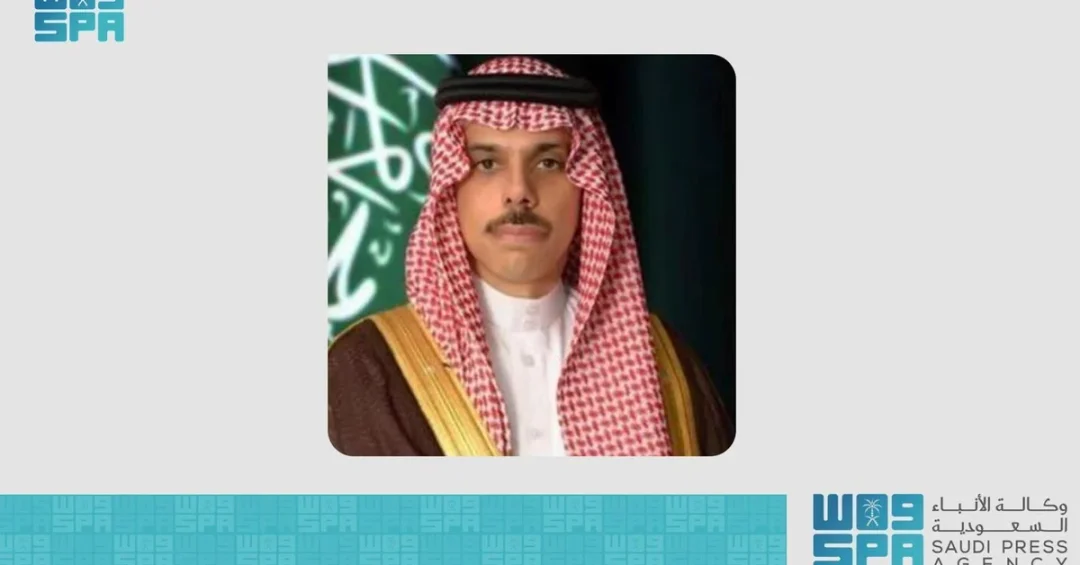
Saudi Minister of Foreign Affairs Prince Faisal bin Farhan bin Abdullah held a phone call on Saturday, September 21, 2024, with Minister of Foreign Affairs and the National Community Abroad of the People’s Democratic Republic of Algeria Ahmed Attaf, as reported by the Saudi Press Agency (SPA). The two top diplomats discussed the latest developments in the Gaza Strip and stressed the urgent need for continued joint coordination and intensified efforts to halt Israeli escalation and violations against the Palestinian people. This call underscores Saudi Arabia’s proactive diplomacy and its commitment to regional stability and the protection of Palestinian rights.
Context and Background
The phone call comes amid heightened tensions in the Gaza Strip, where ongoing Israeli military operations have resulted in significant civilian casualties and a deteriorating humanitarian situation. Saudi Arabia has consistently advocated for a peaceful resolution to the Palestinian-Israeli conflict, calling for an immediate ceasefire, the protection of civilians, and the revival of the two-state solution in line with international legitimacy resolutions. Algeria, as a non-permanent member of the United Nations Security Council, shares Saudi Arabia’s concerns and has been actively involved in diplomatic efforts to address the crisis. The two nations have a history of close coordination on Arab and Islamic causes, particularly the Palestinian issue, which remains a central pillar of their foreign policies.
Key Details
During the call, Prince Faisal bin Farhan and Ahmed Attaf emphasized the need for continued joint coordination and intensified efforts to halt the ongoing Israeli escalation and violations against the Palestinian people. They discussed the latest developments in the Gaza Strip and explored ways to enhance bilateral cooperation to support regional peace and security. The Saudi Press Agency reported that the conversation reflected the two countries’ shared commitment to upholding international law and the principles of justice. The ministers also likely reviewed preparations for upcoming Arab and Islamic summits and coordinated positions on key issues ahead of the UN General Assembly meetings in New York.
Implications and Impact
This high-level diplomatic engagement highlights Saudi Arabia’s leadership in rallying international support for the Palestinian cause and its efforts to de-escalate tensions in the region. By coordinating with Algeria, a key North African partner and current UN Security Council member, the Kingdom strengthens the collective Arab voice and amplifies calls for an end to the violence. The call also reinforces Saudi Arabia’s role as a bridge-builder and mediator in regional conflicts, aligning with its broader strategy to promote stability and dialogue. The international community watches such consultations closely, as they can influence the direction of UN debates and potential humanitarian initiatives. Moreover, the Saudi-Algerian axis is crucial for mobilizing support across the Arab and Islamic worlds, potentially leading to concrete actions such as emergency aid corridors and diplomatic resolutions.
Vision 2030 Alignment
Saudi Arabia’s foreign policy, as articulated by Prince Faisal bin Farhan, is deeply intertwined with Vision 2030, which seeks to position the Kingdom as a global leader in diplomacy, economic diversification, and regional stability. The call with Algeria demonstrates Saudi Arabia’s commitment to proactive engagement and multilateral cooperation, key tenets of the Vision. By championing the Palestinian cause and working with international partners, the Kingdom reinforces its moral authority and soft power, which are essential for attracting investment and fostering a secure environment for sustainable development. As Saudi Arabia continues to modernize and open up, its diplomatic efforts in resolving regional conflicts will remain a cornerstone of its strategy to build a peaceful and prosperous future for the region and beyond.
20 Questions
Q1. Who held a phone call on September 21, 2024?
A1. Saudi Minister of Foreign Affairs Prince Faisal bin Farhan bin Abdullah held a phone call with Algerian Minister of Foreign Affairs Ahmed Attaf on September 21, 2024, as reported by the Saudi Press Agency.
Q2. What was the main topic of the phone call?
A2. The main topic was the developments in the Gaza Strip and the need for joint coordination to halt Israeli escalation and violations against the Palestinian people. Both ministers emphasized intensified efforts for regional stability.
Q3. Why is Saudi Arabia concerned about the Gaza Strip?
A3. Saudi Arabia is concerned due to the humanitarian crisis and ongoing violence in Gaza, which threatens regional stability. The Kingdom consistently advocates for Palestinian rights and a peaceful resolution to the conflict.
Q4. What role does Algeria play in the Gaza issue?
A4. Algeria is a non-permanent member of the UN Security Council and actively supports Palestinian causes. It coordinates with Saudi Arabia to amplify Arab and Islamic voices on the international stage for ceasefire and humanitarian access.
Q5. How does this call reflect Saudi foreign policy?
A5. The call reflects Saudi Arabia’s proactive diplomacy and commitment to multilateral cooperation. It shows the Kingdom’s leadership in addressing regional crises and its alignment with Vision 2030 goals for global engagement and stability.
Q6. What did the ministers emphasize during the call?
A6. They emphasized the need for continued joint coordination and intensified efforts to halt Israeli escalation and violations against the Palestinian people. They also discussed ways to enhance bilateral cooperation for peace.
Q7. When was the phone call reported?
A7. The Saudi Press Agency reported the call on September 22, 2024, noting it occurred on Saturday, September 21, 2024. The report highlighted the discussions on Gaza and joint coordination.
Q8. What are the potential outcomes of this coordination?
A8. Potential outcomes include a unified Arab stance at the UN, increased pressure for a ceasefire, and enhanced humanitarian aid to Gaza. It may also lead to renewed diplomatic initiatives for a two-state solution.
Q9. How does this call align with Vision 2030?
A9. It aligns with Vision 2030 by showcasing Saudi Arabia’s role as a global leader in diplomacy and stability, which is essential for economic diversification and attracting international investment. It reinforces the Kingdom’s soft power.
Q10. What is Saudi Arabia’s stance on the Palestinian issue?
A10. Saudi Arabia supports a two-state solution based on 1967 borders with East Jerusalem as the Palestinian capital. It condemns Israeli violations and calls for an end to the occupation and the establishment of a viable Palestinian state.
Q11. How does Algeria benefit from this coordination?
A11. Algeria benefits by strengthening its diplomatic ties with Saudi Arabia and enhancing its role in the Arab world. It gains support for its UN Security Council initiatives and reinforces its commitment to Palestinian rights.
Q12. What international reactions might follow this call?
A12. International reactions may include support from Arab and Islamic nations for a unified stance, and increased pressure on Israel to cease violations. The UN and other bodies may take note of the reinforced Arab position.
Q13. What is the significance of the timing of this call?
A13. The call comes amid escalating violence in Gaza and ahead of UN General Assembly meetings. It signals Saudi Arabia’s urgency in addressing the crisis and coordinating positions with key allies like Algeria.
Q14. How does this call impact Saudi-Algerian relations?
A14. It strengthens bilateral relations by demonstrating shared commitment to regional issues. It fosters deeper cooperation in diplomatic, economic, and cultural areas, benefiting both nations and the broader Arab world.
Q15. What previous actions has Saudi Arabia taken on Gaza?
A15. Saudi Arabia has called for ceasefires, provided humanitarian aid, and engaged in diplomacy with regional and global powers. It has also hosted summits and supported UN resolutions condemning Israeli actions.
Q16. What is the role of the Saudi Press Agency in this context?
A16. The Saudi Press Agency is the official news agency of Saudi Arabia, disseminating accurate information about government activities. It reported the call, ensuring transparency and highlighting Saudi diplomatic efforts.
Q17. How might this call influence the UN Security Council?
A17. Algeria’s position on the Security Council allows it to voice concerns raised in the call. This could lead to renewed debates and potential resolutions addressing Israeli violations and humanitarian access in Gaza.
Q18. What economic implications could arise from this diplomacy?
A18. Successful diplomacy can enhance regional stability, which is crucial for economic growth and investment. It supports Vision 2030 by fostering a secure environment for business and showcasing Saudi Arabia as a responsible global partner.
Q19. How does Saudi Arabia balance regional diplomacy with its domestic reforms?
A19. Saudi Arabia integrates foreign policy with Vision 2030 reforms by promoting stability and international cooperation, which attract investment and support economic diversification. Diplomatic successes bolster domestic confidence and global standing.
Q20. What next steps are expected after this call?
A20. Next steps may include further coordination at the UN, joint humanitarian initiatives, and continued dialogue to de-escalate tensions. Saudi Arabia and Algeria are likely to maintain close contact to advance Palestinian rights.
Reader Feedback
We value your thoughts. Please share your feedback on this article.
Your feedback helps us improve our coverage.