


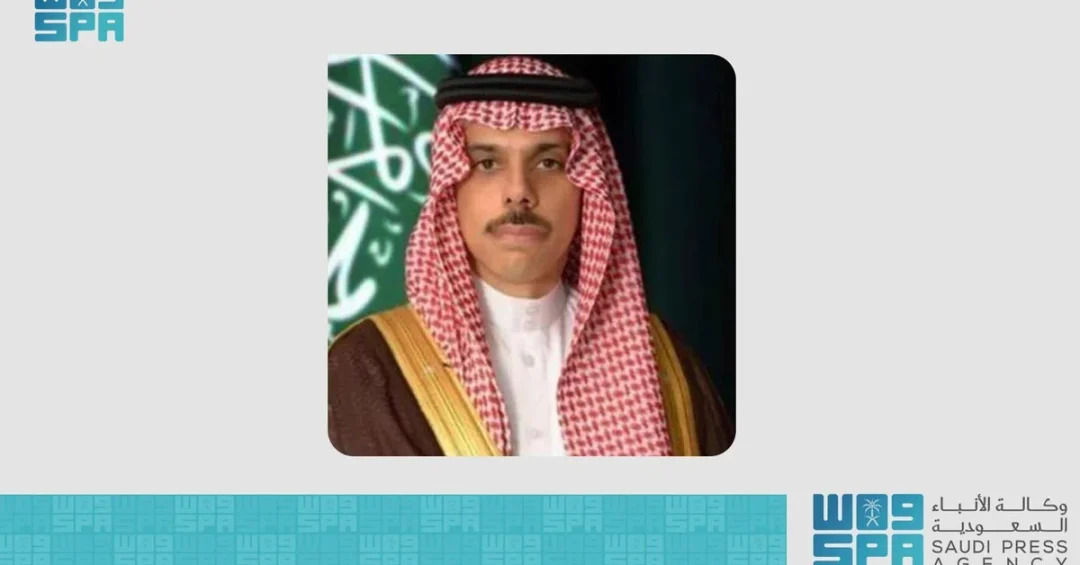
Minister of Foreign Affairs Prince Faisal bin Farhan bin Abdullah received a phone call on October 12, 2024, from High Representative of the European Union for Foreign Affairs and Security Policy Josep Borrell, during which they discussed regional and international developments and the efforts being made to address them. The call, reported by the Saudi Press Agency (SPA), underscores the Kingdom’s active engagement with global partners on pressing issues and its commitment to fostering stability and cooperation. This dialogue comes at a time of heightened geopolitical tensions, with Saudi Arabia playing a pivotal role in mediating conflicts and promoting peace.
How does Saudi Arabia balance its regional leadership with its global partnerships? The conversation between Prince Faisal and Borrell reflects the Kingdom’s ongoing efforts to strengthen ties with the European Union and coordinate responses to shared challenges, from security concerns to economic cooperation. It also highlights the importance Saudi Arabia places on multilateral dialogue as a means to achieve sustainable solutions and advance its Vision 2030 objectives on the world stage.
Context and Background
What drives Saudi Arabia’s diplomatic outreach to the European Union? The phone call between Prince Faisal and High Representative Borrell is part of a series of high-level exchanges that have intensified in recent years. Saudi-EU relations have deepened across various sectors, including trade, investment, energy, and security. The EU is a major trading partner for the Kingdom, and both sides have shown interest in expanding collaboration in areas such as renewable energy, technology, and climate action. This call builds on previous meetings and agreements aimed at enhancing bilateral cooperation and addressing regional crises.
In the broader context, Saudi Arabia has consistently advocated for dialogue and diplomacy to resolve conflicts in the Middle East and beyond. The Kingdom’s role as a regional stabilizer is widely recognized, and its engagement with the EU is a testament to its commitment to international peace and security. The timing of this call is significant, as the region faces multiple challenges, including the humanitarian situation in Gaza, the crisis in Yemen, and tensions in the Red Sea. By consulting with EU officials, Saudi Arabia aims to align efforts and mobilize support for peaceful resolutions.
Moreover, the call reflects the Kingdom’s proactive foreign policy under the leadership of King Salman bin Abdulaziz Al Saud and Crown Prince Mohammed bin Salman. Saudi Arabia has been at the forefront of diplomatic initiatives to de-escalate tensions and promote dialogue, often serving as a bridge between different parties. This approach is in line with the principles of the United Nations Charter and the Kingdom’s own Vision 2030, which emphasizes international cooperation and economic diversification.
Key Details
What specific topics were on the agenda? According to the SPA report, the discussion focused on regional and international developments and the efforts addressed in their regard. While the details of the conversation remain confidential, such calls typically cover a range of issues, including security cooperation, economic ties, and cultural exchange. The two officials likely discussed the latest developments in the Middle East, including the situation in Gaza, Lebanon, and Yemen, as well as broader global challenges such as energy security and climate change.
Prince Faisal and Borrell have a history of constructive engagement. They have met multiple times in various forums, including the United Nations General Assembly and other international gatherings. Their dialogue is characterized by mutual respect and a shared commitment to finding common ground on difficult issues. This call is another example of their ongoing coordination, which is essential for addressing the complex challenges facing the region and the world.
The SPA report did not provide further specifics, but it is clear that the conversation was part of Saudi Arabia’s broader diplomatic efforts. The Kingdom has been actively engaging with European partners to build consensus on key issues, including the need for a two-state solution in Palestine, the importance of humanitarian aid to conflict zones, and the promotion of sustainable development. These efforts are consistent with Saudi Arabia’s longstanding positions and its role as a responsible global actor.
International and Regional Impact
How does this call influence the wider geopolitical landscape? Saudi Arabia’s dialogue with the EU High Representative sends a strong signal of the Kingdom’s commitment to multilateralism and its willingness to work with international partners to address shared challenges. In a world marked by increasing polarization, Saudi Arabia’s balanced and pragmatic approach is a stabilizing force. The call also reinforces the EU’s engagement with the Gulf region, as European countries seek to deepen their ties with Saudi Arabia and other GCC states.
The conversation comes at a critical juncture for the Middle East. The conflict in Gaza has escalated, causing a humanitarian crisis and raising fears of a wider regional conflagration. Saudi Arabia has been vocal in calling for an immediate ceasefire and the delivery of humanitarian aid, and it has worked with international partners to achieve these goals. The EU shares these concerns and has been actively involved in diplomatic efforts to de-escalate the situation. By coordinating their positions, Saudi Arabia and the EU can amplify their calls for peace and stability.
In addition, the Red Sea region has seen heightened tensions due to attacks on shipping, which threaten global trade and energy supplies. Saudi Arabia, with its strategic location and significant maritime interests, is directly affected by these developments. The Kingdom has advocated for freedom of navigation and the protection of international trade routes. Cooperation with the EU, which also has vital economic interests in the region, is crucial for ensuring maritime security and preventing further disruptions.
Economic and Strategic Significance
What economic stakes underpin this diplomatic engagement? The European Union is one of Saudi Arabia’s largest trading partners, with bilateral trade in goods and services reaching billions of euros annually. Energy exports, particularly oil and petrochemicals, form the backbone of this trade, but there is growing collaboration in renewable energy, technology, and infrastructure. The Kingdom’s Vision 2030 aims to diversify its economy away from oil dependence, and European expertise and investment are seen as key to achieving this goal.
The call between Prince Faisal and Borrell also touches on strategic cooperation in areas such as defense, counterterrorism, and intelligence sharing. Both sides have a shared interest in combating extremism and promoting regional security. Saudi Arabia has been a reliable partner in these efforts, and the EU has recognized the Kingdom’s contributions. By maintaining close dialogue, they can enhance coordination on these critical issues.
Furthermore, the discussion likely addressed the global energy transition and the need for stable energy markets. Saudi Arabia, as a leading producer, plays a pivotal role in ensuring oil market stability, while the EU is a major consumer. Their cooperation is essential for balancing supply and demand and for facilitating a smooth transition to cleaner energy sources. This call is part of ongoing efforts to align policies and address mutual concerns.
Vision 2030 Alignment
How does this diplomatic engagement support Saudi Arabia’s long-term vision? Vision 2030 is not only about economic transformation but also about positioning the Kingdom as a global leader in diplomacy and international cooperation. The phone call between Prince Faisal and High Representative Borrell exemplifies this ambition. By actively engaging with the EU, Saudi Arabia is building the partnerships and networks necessary to achieve its goals, from attracting foreign investment to promoting cultural exchange.
The Kingdom’s foreign policy under Vision 2030 emphasizes proactive diplomacy, conflict resolution, and the strengthening of multilateral institutions. This call is a concrete example of these principles in action. It also reflects the leadership’s dedication to ensuring that Saudi Arabia remains a force for stability and progress in the region and the world. As the Kingdom continues to implement its ambitious reform agenda, such high-level dialogues will be instrumental in garnering international support and showcasing Saudi Arabia’s constructive role on the global stage.
In conclusion, the phone call between Minister of Foreign Affairs Prince Faisal bin Farhan bin Abdullah and EU High Representative Josep Borrell is a significant diplomatic exchange that highlights Saudi Arabia’s commitment to international engagement and its Vision 2030 objectives. By discussing regional and international developments and the efforts to address them, the two officials reaffirmed the importance of cooperation in tackling shared challenges. As Saudi Arabia moves forward with its transformation, its partnerships with the EU and other global players will be vital in shaping a peaceful and prosperous future.
20 Questions
Q1. What was the main purpose of the phone call between Prince Faisal and Josep Borrell?
A1. The main purpose was to discuss regional and international developments and the efforts being made to address them, reflecting ongoing coordination between Saudi Arabia and the European Union on key global issues.
Q2. When did the phone call take place?
A2. The call took place on October 12, 2024, as reported by the Saudi Press Agency (SPA). This date is significant as it coincides with heightened diplomatic activity in the region.
Q3. Who initiated the call?
A3. According to the SPA report, the call was received by Prince Faisal from High Representative Josep Borrell, indicating that the EU initiated the contact to consult with Saudi Arabia on pressing matters.
Q4. What is the significance of Saudi-EU relations in the current geopolitical climate?
A4. Saudi-EU relations are crucial for addressing regional conflicts, ensuring energy security, and promoting economic cooperation. The partnership helps stabilize the Middle East and supports global peace efforts through dialogue.
Q5. How does this call reflect Saudi Arabia’s foreign policy objectives?
A5. It demonstrates Saudi Arabia’s commitment to proactive diplomacy, multilateral engagement, and its role as a regional stabilizer. The call aligns with the Kingdom’s efforts to build consensus and resolve conflicts peacefully.
Q6. What regional issues were likely discussed during the call?
A6. Likely topics included the humanitarian situation in Gaza, the crisis in Yemen, tensions in the Red Sea, and broader Middle Eastern security concerns, all of which require coordinated international responses.
Q7. How does this engagement align with Vision 2030?
A7. Vision 2030 emphasizes global cooperation and economic diversification. By strengthening ties with the EU, Saudi Arabia advances its goals of attracting investment, promoting cultural exchange, and enhancing its international standing.
Q8. What role does Saudi Arabia play in mediating regional conflicts?
A8. Saudi Arabia has been a key mediator in conflicts such as those in Yemen and between Palestinian factions. Its balanced approach and diplomatic weight make it an indispensable partner in peace efforts.
Q9. How has the EU responded to regional crises, and what is its relationship with Saudi Arabia?
A9. The EU has actively engaged in diplomatic efforts to de-escalate crises and provide humanitarian aid. It collaborates closely with Saudi Arabia on these issues, recognizing the Kingdom’s pivotal role in the region.
Q10. What economic interests are at stake in Saudi-EU relations?
A10. Bilateral trade, investment, energy cooperation, and technology transfer are key economic interests. The EU is a major trading partner, and both sides seek to expand collaboration in renewable energy and infrastructure.
Q11. How does Saudi Arabia contribute to global energy security?
A11. As a leading oil producer, Saudi Arabia helps stabilize global energy markets through production adjustments and reliable supply. Its cooperation with the EU ensures a balanced approach to energy transition.
Q12. What are the prospects for future Saudi-EU cooperation?
A12. Prospects are strong, with potential for deeper collaboration in trade, security, climate action, and technology. Regular high-level dialogues pave the way for concrete agreements and joint initiatives.
Q13. How does this call impact the broader Middle East peace process?
A13. It reinforces international support for peace initiatives and demonstrates a united front in calling for ceasefires and humanitarian access. Such coordination can pressure parties to engage in dialogue.
Q14. What is Saudi Arabia’s stance on the conflict in Gaza?
A14. Saudi Arabia has consistently called for an immediate ceasefire, the protection of civilians, and the delivery of humanitarian aid. It supports a two-state solution and has engaged with international partners to achieve these goals.
Q15. How does Saudi Arabia balance its relationships with various global powers?
A15. Saudi Arabia maintains balanced relations with major powers, including the EU, the US, China, and Russia, focusing on mutual interests and avoiding alignment in bloc politics. This approach enhances its diplomatic flexibility.
Q16. What role does the Saudi Press Agency play in reporting such diplomatic engagements?
A16. The Saudi Press Agency is the official news outlet that provides timely and accurate reports on the Kingdom’s diplomatic activities, ensuring transparency and keeping the public informed about key developments.
Q17. How do these diplomatic efforts benefit the Saudi people?
A17. They contribute to regional stability, which is essential for economic growth and security. They also strengthen international partnerships that support Vision 2030, leading to job creation and improved quality of life.
Q18. What challenges remain in Saudi-EU cooperation?
A18. Challenges include differing perspectives on some regional issues and the need to align policies on trade and human rights. However, both sides are committed to overcoming these through continued dialogue and mutual respect.
Q19. How does this call reflect Saudi Arabia’s leadership in the Arab and Islamic world?
A19. It showcases Saudi Arabia’s role as a bridge between the region and the international community. By consulting with the EU, the Kingdom reinforces its position as a responsible leader that seeks collective solutions.
Q20. What can we expect next in Saudi-EU relations?
A20. Expect further high-level exchanges, joint initiatives on regional security, and increased economic cooperation. Both sides are likely to deepen ties in areas like clean energy, digital transformation, and cultural exchange.
Reader Feedback
We value your thoughts. Please share your feedback on this article.
Your feedback helps us improve our coverage.