


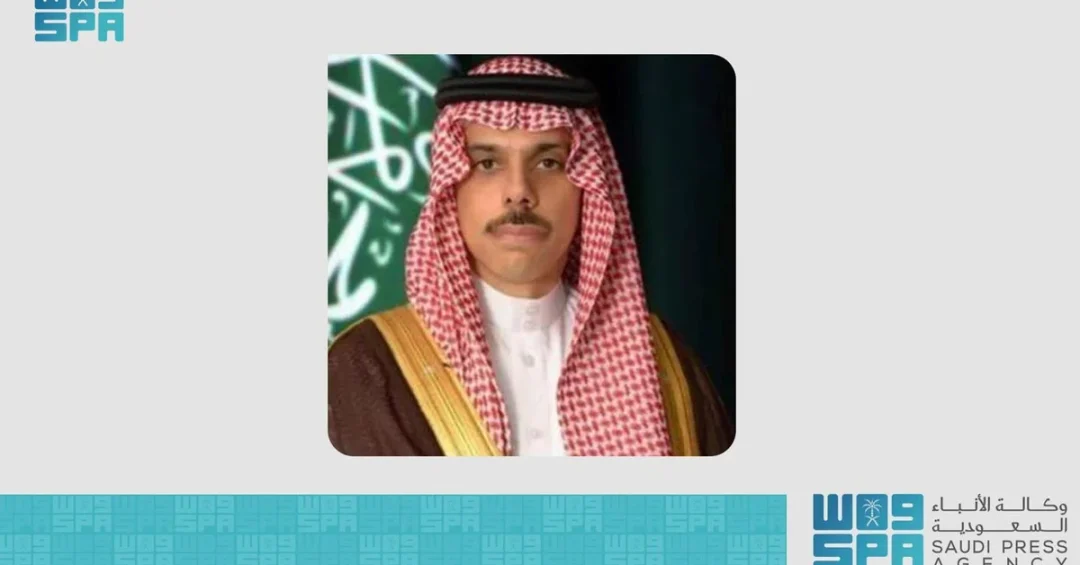
Saudi Minister of Foreign Affairs Prince Faisal bin Farhan bin Abdullah participated in an informal joint ministerial meeting of the foreign ministers of the Gulf Cooperation Council (GCC) countries and the Islamic Republic of Iran on October 3, 2024, in Doha, Qatar. The meeting, held on the sidelines of the 3rd Asia Cooperation Dialogue Summit, addressed the latest regional and international developments, including escalating tensions and their serious implications for international peace and security.
Context and Background
The gathering in Doha brought together top diplomats from the six GCC member states—Saudi Arabia, the United Arab Emirates, Qatar, Kuwait, Bahrain, and Oman—alongside Iran’s foreign minister. It marked a continuation of regional dialogue efforts aimed at de-escalation and stability. The Asia Cooperation Dialogue Summit provided a multilateral platform for these discussions, reflecting Qatar’s role as host and the broader Asian focus on cooperative solutions.
Saudi Arabia has consistently advocated for peaceful resolutions to regional conflicts, emphasizing dialogue and diplomacy. This meeting aligns with the Kingdom’s longstanding policy of engaging with all parties to promote security and prosperity in the region.
Key Details
According to the Saudi Press Agency (SPA), the informal joint ministerial meeting focused on the latest regional and international developments. The discussions underscored the serious implications of escalating tensions for international peace and security. Prince Faisal bin Farhan bin Abdullah represented Saudi Arabia, highlighting the Kingdom’s active role in fostering regional stability.
The meeting was held on the margins of the 3rd Asia Cooperation Dialogue Summit, a key forum for Asian nations to enhance cooperation across various sectors. The participation of GCC and Iranian foreign ministers signals a shared interest in addressing common challenges through dialogue.
Implications and Impact
This diplomatic engagement carries significant implications for regional stability. By bringing together GCC and Iranian officials, the meeting represents a step toward reducing tensions and building trust. For Saudi Arabia, it reinforces the Kingdom’s position as a responsible regional leader committed to peace and security.
On the international stage, such dialogues contribute to global efforts to prevent conflict and promote cooperation. The involvement of the Asia Cooperation Dialogue Summit highlights the interconnectedness of Asian and Middle Eastern security dynamics.
Vision 2030 Alignment
Saudi Arabia’s participation in this meeting aligns with Vision 2030, which seeks to diversify the economy and enhance the Kingdom’s global engagement. A stable and secure region is essential for achieving Vision 2030’s goals, including attracting foreign investment, boosting tourism, and fostering sustainable development. By promoting dialogue and stability, Saudi Arabia continues to play a pivotal role in shaping a prosperous future for the region and beyond.
20 Questions
Q1. What meeting did Saudi Arabia’s Foreign Minister participate in?
A1. Saudi Minister of Foreign Affairs Prince Faisal bin Farhan bin Abdullah participated in an informal joint ministerial meeting of the foreign ministers of Gulf Cooperation Council (GCC) countries and the Islamic Republic of Iran.
Q2. When and where did the meeting take place?
A2. The meeting was held on October 3, 2024, in Doha, Qatar.
Q3. What was the purpose of the meeting?
A3. The meeting addressed the latest regional and international developments, including escalating tensions in the region and their serious implications for international peace and security.
Q4. Which countries are part of the Gulf Cooperation Council?
A4. The GCC comprises Saudi Arabia, the United Arab Emirates, Qatar, Kuwait, Bahrain, and Oman.
Q5. What summit provided the platform for this meeting?
A5. The meeting was held on the sidelines of the 3rd Asia Cooperation Dialogue Summit in Doha, Qatar.
Q6. Who represented Saudi Arabia at the meeting?
A6. Prince Faisal bin Farhan bin Abdullah, Saudi Minister of Foreign Affairs, represented the Kingdom.
Q7. What is the significance of GCC-Iran dialogue?
A7. It represents a step toward reducing regional tensions and fostering stability through diplomatic engagement.
Q8. How does this meeting align with Saudi Arabia’s foreign policy?
A8. It reflects Saudi Arabia’s consistent advocacy for peaceful resolutions and dialogue to promote regional security.
Q9. What role does the Asia Cooperation Dialogue Summit play?
A9. It serves as a key forum for Asian nations to enhance cooperation across various sectors, including political and security issues.
Q10. What are the implications of this meeting for regional peace?
A10. It contributes to de-escalation efforts and builds trust among parties, supporting long-term peace and security.
Q11. How does this meeting relate to Saudi Vision 2030?
A11. A stable region is essential for Vision 2030’s goals of economic diversification, investment, and tourism.
Q12. What other GCC foreign ministers attended?
A12. Foreign ministers from all GCC member states participated, though individual names were not specified in the SPA report.
Q13. Was Iran’s foreign minister present?
A13. Yes, the meeting was a joint ministerial meeting between GCC foreign ministers and the Islamic Republic of Iran.
Q14. What does ‘informal joint ministerial meeting’ mean?
A14. It indicates a less formal gathering allowing for open dialogue on sensitive issues without binding commitments.
Q15. How does Saudi Arabia benefit from such meetings?
A15. It enhances Saudi Arabia’s role as a regional leader and promotes stability, which is crucial for its economic and security interests.
Q16. What previous similar meetings have occurred?
A16. This meeting follows earlier diplomatic engagements between GCC states and Iran, signaling ongoing dialogue.
Q17. What is the expected outcome of this meeting?
A17. The meeting aims to foster understanding and identify common ground for reducing tensions, though no specific outcomes were announced.
Q18. How does Qatar’s role as host impact the meeting?
A18. Qatar’s hosting reflects its active diplomatic engagement and commitment to facilitating regional dialogue.
Q19. What are the key challenges discussed?
A19. The discussions focused on escalating regional tensions and their implications for international peace and security.
Q20. How does this meeting reflect Saudi Arabia’s global engagement?
A20. It showcases Saudi Arabia’s proactive diplomacy and commitment to multilateral cooperation for global stability.
Reader Feedback
We value your thoughts. Please share your feedback on this article.
Your feedback helps us improve our coverage.