


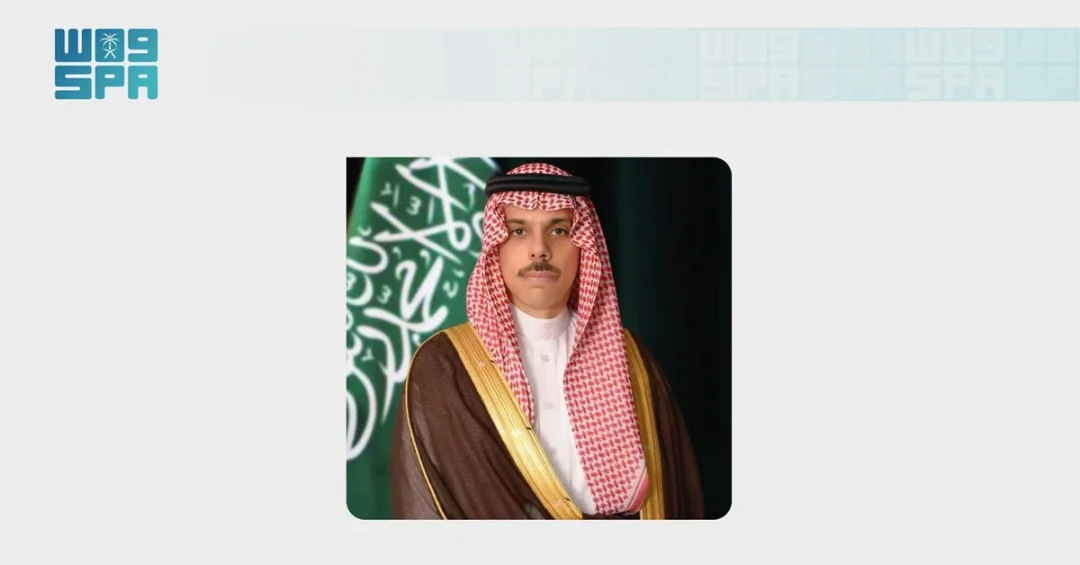
Saudi Minister of Foreign Affairs Prince Faisal bin Farhan bin Abdullah held a phone call with Egyptian Minister of Foreign Affairs, Emigration and Egyptian Expatriates Dr. Badr Abdelatty on Tuesday, October 6, 2026, to review the fraternal and strategic relations between the two countries and discuss ways to enhance bilateral cooperation across various fields, according to the Saudi Press Agency (SPA).
Context and Background
The phone call underscores the enduring and strategic partnership between the Kingdom of Saudi Arabia and the Arab Republic of Egypt, two pivotal nations whose cooperation has long contributed to regional stability and prosperity. The two ministers reviewed the fraternal and strategic relations between their countries and explored avenues for enhancing bilateral cooperation across various fields.
This diplomatic engagement comes amid a period of heightened regional uncertainty, making continuous consultation between Riyadh and Cairo essential. The discussions align with Saudi Arabia’s Vision 2030, which emphasizes international cooperation and regional security as foundations for economic diversification and sustainable development.
Key Details
During the call, Egyptian Foreign Minister Dr. Badr Abdelatty reiterated Egypt’s condemnation of all attacks targeting the Kingdom and affirmed Egypt’s full support for the Kingdom’s security and stability. This explicit endorsement reflects the deep fraternal bonds between the two nations and their shared commitment to mutual defense and stability.
The two ministers also discussed current regional developments, stressing the need to safeguard the security of maritime routes and freedom of navigation, particularly in the Red Sea and the Bab al-Mandab Strait. This strategic waterway is vital for global trade and energy supplies, and both nations emphasized the importance of ensuring uninterrupted navigation.
Furthermore, they reaffirmed the two brotherly countries’ steadfast support for Sudan’s unity and sovereignty and the preservation of its national institutions, in a manner that safeguards its security and stability and fulfils the aspirations of the brotherly Sudanese people. This joint stance highlights the shared vision for a stable and prosperous Sudan.
Implications and Impact
The phone call carries significant regional and international implications. Saudi Arabia and Egypt are key players in the Middle East and North Africa, and their coordinated stance on maritime security and Sudan’s stability can influence broader diplomatic efforts. Their commitment to protecting Red Sea navigation routes is crucial for global energy supplies and trade, given that the Bab al-Mandab Strait is a chokepoint for a substantial portion of world oil shipments.
Egypt’s reaffirmation of support for Saudi Arabia’s security and stability serves as a deterrent to potential threats and reinforces the mutual defense understanding between the two nations. This solidarity is particularly important in a region where non-state actors and rival powers seek to exploit instability.
The discussion on Sudan reflects both countries’ deep concern for regional peace and their recognition that Sudan’s stability is integral to the security of the broader Red Sea and Nile Valley regions. By supporting Sudan’s national institutions, Saudi Arabia and Egypt aim to prevent further fragmentation and foster a peaceful resolution to the ongoing crisis.
Vision 2030 Alignment
This diplomatic engagement is fully aligned with Saudi Vision 2030, which seeks to strengthen the Kingdom’s regional and global partnerships, ensure secure maritime trade routes, and promote stability in the Middle East and Africa. By working closely with Egypt, Saudi Arabia is advancing its strategic objectives of economic diversification, security cooperation, and diplomatic leadership.
Through such high-level consultations, the Kingdom continues to play a constructive role in fostering peace, prosperity, and cooperation, in line with the visionary leadership of the Custodian of the Two Holy Mosques and His Royal Highness the Crown Prince. The call reinforces Saudi Arabia’s position as a stabilizing force and a reliable partner in addressing regional challenges and building a better future for the region.
20 Questions
Q1. Who held a phone call on October 6, 2026?
A1. Saudi Minister of Foreign Affairs Prince Faisal bin Farhan bin Abdullah held a phone call with Egyptian Minister of Foreign Affairs, Emigration and Egyptian Expatriates Dr. Badr Abdelatty.
Q2. What was the main purpose of the call?
A2. The call aimed to review fraternal and strategic relations between Saudi Arabia and Egypt and to discuss ways to enhance bilateral cooperation across various fields.
Q3. What did the Egyptian foreign minister reiterate during the call?
A3. Dr. Badr Abdelatty reiterated Egypt’s condemnation of all attacks targeting the Kingdom and affirmed Egypt’s full support for the Kingdom’s security and stability.
Q4. Which regional developments did the two ministers discuss?
A4. They discussed current regional developments, stressing the need to safeguard the security of maritime routes and freedom of navigation, particularly in the Red Sea and the Bab al-Mandab Strait.
Q5. What did they say about Sudan?
A5. They reaffirmed their steadfast support for Sudan’s unity and sovereignty and the preservation of its national institutions, in a manner that safeguards its security and stability and fulfils the aspirations of its people.
Q6. Why is the Red Sea important in this context?
A6. The Red Sea is a vital maritime route for global trade and energy supplies, and ensuring its security and freedom of navigation is crucial for regional and international stability.
Q7. What is the significance of the Bab al-Mandab Strait?
A7. The Bab al-Mandab Strait is a strategic chokepoint for global shipping, including oil shipments, linking the Red Sea to the Gulf of Aden and the wider Indian Ocean.
Q8. How does Egypt’s support for Saudi security reflect bilateral ties?
A8. Egypt’s full support demonstrates the deep fraternal bonds and strategic alliance between the two nations, reinforcing their mutual commitment to regional security and stability.
Q9. What did the ministers say about bilateral cooperation?
A9. They reviewed ways to enhance bilateral cooperation across various fields, aiming to strengthen the already robust strategic partnership between Saudi Arabia and Egypt.
Q10. How does this call align with Saudi Vision 2030?
A10. The call aligns with Vision 2030 by promoting regional security, international partnerships, and maritime trade protection, which are essential for the Kingdom’s economic diversification and global engagement.
Q11. What role does Saudi Arabia play in regional diplomacy?
A11. Saudi Arabia plays a leading role in regional diplomacy, working with allies like Egypt to address challenges, foster stability, and support peace initiatives across the Middle East and Africa.
Q12. Why is Sudan’s stability important to Saudi Arabia and Egypt?
A12. Sudan’s stability is crucial for the security of the Red Sea region and the Nile Valley, and both nations support its unity and national institutions to prevent fragmentation and promote peace.
Q13. What was the date and time of the call?
A13. The call took place on October 6, 2026, at 19:10 local time (16:10 GMT), according to the Saudi Press Agency.
Q14. Who is Dr. Badr Abdelatty?
A14. Dr. Badr Abdelatty is the Minister of Foreign Affairs, Emigration and Egyptian Expatriates of the Arab Republic of Egypt.
Q15. Who is Prince Faisal bin Farhan bin Abdullah?
A15. Prince Faisal bin Farhan bin Abdullah is the Minister of Foreign Affairs of the Kingdom of Saudi Arabia.
Q16. What does Egypt’s condemnation of attacks targeting the Kingdom entail?
A16. It entails Egypt’s firm rejection of any aggression against Saudi Arabia and its commitment to supporting the Kingdom’s security and stability.
Q17. How might this call impact regional maritime security?
A17. The call reinforces joint efforts to protect maritime routes in the Red Sea and Bab al-Mandab, which can enhance regional security and ensure uninterrupted global trade.
Q18. What is Saudi Arabia’s stance on Sudan’s national institutions?
A18. Saudi Arabia supports the preservation of Sudan’s national institutions to safeguard its security and stability and fulfill the aspirations of the Sudanese people.
Q19. How does this call reflect Saudi-Egyptian strategic relations?
A19. The call exemplifies the strong, fraternal, and strategic relations between the two countries, highlighting their continuous coordination on matters of mutual interest and regional importance.
Q20. What is the expected outcome of this diplomatic engagement?
A20. The engagement is expected to further strengthen bilateral cooperation, enhance regional stability, and reinforce joint efforts to address challenges in the Red Sea and Sudan.
Reader Feedback
We value your thoughts. Please share your feedback on this article.
Your feedback helps us improve our coverage.