


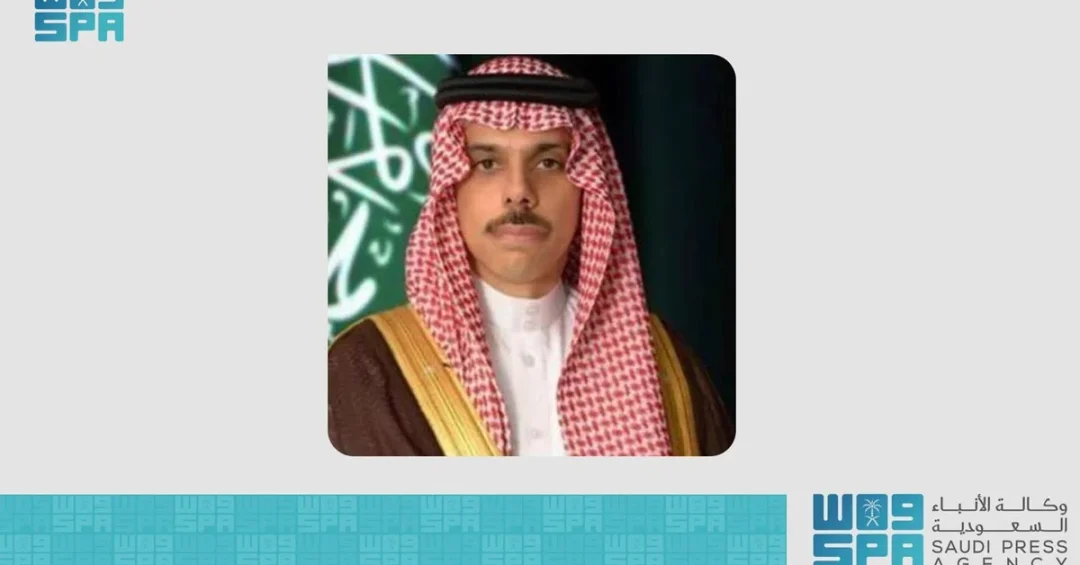
Minister of Foreign Affairs Prince Faisal bin Farhan bin Abdullah received a phone call from US Secretary of State Antony Blinken on June 1, 2024, during which the top US diplomat informed the Saudi minister of US President Joe Biden’s proposal concerning the situation in the Gaza Strip, the hostage exchange deal, and the stages of its completion. The official communication, reported by the Saudi Press Agency (SPA), underscores the Kingdom’s active diplomatic role in addressing the humanitarian crisis in Gaza and its unwavering commitment to achieving a permanent ceasefire.
Context and Background
The phone call comes amid intensified international efforts to end the conflict in Gaza, which has caused a severe humanitarian crisis. Saudi Arabia has consistently advocated for the protection of civilians, the uninterrupted delivery of humanitarian aid, and a political resolution that ensures the rights of the Palestinian people. The Kingdom has also worked through diplomatic channels to mediate and support cease-fire negotiations.
This conversation between Prince Faisal and Secretary Blinken is part of a series of high-level engagements between Saudi and US officials aimed at de-escalating tensions and finding a sustainable path to peace. Saudi Arabia has repeatedly emphasized the need for a comprehensive and just solution to the Palestinian issue, based on the Arab Peace Initiative and relevant UN resolutions.
Key Details
During the call, Prince Faisal expressed Saudi Arabia’s support for all efforts aimed at bringing about an immediate ceasefire, the complete withdrawal of Israeli occupation forces, the provision of urgent humanitarian aid to civilians affected by the Israeli escalation, and the safe return of displaced persons to their homes. He stressed the need to deal seriously with every proposal that achieves a permanent ceasefire and ends the suffering of the Palestinian people in Gaza.
The minister’s remarks reflect the Kingdom’s consistent position on the need to prioritize the protection of civilian lives and to ensure that humanitarian assistance reaches those in need without hindrance. Saudi Arabia has been a major donor of humanitarian aid to Gaza and has called for the lifting of restrictions on aid delivery.
International Impact
The phone call highlights the ongoing coordination between Saudi Arabia and the United States on regional security and humanitarian issues. The Kingdom’s diplomatic efforts are part of a broader international push to achieve a ceasefire and pave the way for a lasting peace. Saudi Arabia’s involvement is crucial due to its leadership in the Arab and Muslim world and its strategic partnerships.
The discussion also signals the importance of the US-Saudi relationship in addressing critical regional challenges. Both countries share a commitment to stability and have worked together on various initiatives, including the potential normalization of relations between Saudi Arabia and Israel, which could be a game-changer for the region.
Vision 2030 Alignment
Saudi Arabia’s active diplomacy aligns with the goals of Vision 2030, which seeks to strengthen the Kingdom’s global role and promote peace and stability. Under the leadership of Custodian of the Two Holy Mosques King Salman bin Abdulaziz Al Saud and His Royal Highness Crown Prince Mohammed bin Salman, Saudi Arabia continues to play a pivotal role in fostering regional security and supporting humanitarian causes, reflecting its commitment to a prosperous and peaceful future for all.
20 Questions
Q1. Who received the phone call from the US Secretary of State?
A1. Saudi Minister of Foreign Affairs Prince Faisal bin Farhan bin Abdullah received the phone call from US Secretary of State Antony Blinken on June 1, 2024, as reported by the Saudi Press Agency, addressing the Gaza situation.
Q2. What was the main topic of the phone call?
A2. The call focused on US President Joe Biden’s proposal regarding the Gaza Strip, the hostage exchange deal, and the stages of its completion, reflecting ongoing diplomatic efforts to resolve the conflict.
Q3. What did Prince Faisal express support for during the call?
A3. He expressed Saudi Arabia’s support for all efforts aimed at an immediate ceasefire, complete withdrawal of Israeli occupation forces, urgent humanitarian aid to civilians, and the safe return of displaced persons to their homes.
Q4. Why is Saudi Arabia involved in the Gaza crisis?
A4. Saudi Arabia is involved due to its leadership in the Arab and Muslim world, its commitment to Palestinian rights, and its pursuit of regional stability and peace, aligning with its Vision 2030 goals.
Q5. What is the hostage exchange deal mentioned?
A5. The hostage exchange deal refers to negotiations to exchange hostages held in Gaza for Palestinian prisoners, as part of efforts to de-escalate the conflict and achieve a temporary truce.
Q6. How does this call reflect US-Saudi relations?
A6. The call demonstrates ongoing coordination and strong diplomatic ties between the US and Saudi Arabia on critical regional issues, including Gaza, highlighting mutual interests in stability and peace.
Q7. What is Saudi Arabia’s stance on the Israeli-Palestinian conflict?
A7. Saudi Arabia supports a two-state solution based on the 2002 Arab Peace Initiative, advocating for a Palestinian state with East Jerusalem as its capital and the right of return for refugees.
Q8. What humanitarian aid has Saudi Arabia provided to Gaza?
A8. Saudi Arabia has provided significant humanitarian aid to Gaza, including medical supplies, food, and funding through organizations like KSrelief, and has called for unimpeded aid delivery.
Q9. What does Vision 2030 have to do with this?
A9. Vision 2030 aims to enhance Saudi Arabia’s global role and promote peace. Diplomacy in Gaza aligns with these goals, showcasing the Kingdom’s commitment to regional stability and humanitarian values.
Q10. Who is Prince Faisal bin Farhan?
A10. Prince Faisal bin Farhan bin Abdullah is Saudi Arabia’s Minister of Foreign Affairs, appointed in 2019. He has been a key figure in Saudi diplomacy, handling major regional and international issues.
Q11. What is the significance of the timing of this call?
A11. The call comes amid heightened tensions in Gaza and international pressure for a ceasefire, underscoring Saudi Arabia’s timely diplomatic engagement and its role as a mediator.
Q12. Has Saudi Arabia mediated in the Gaza conflict before?
A12. Yes, Saudi Arabia has historically mediated and supported peace efforts, including hosting Palestinian factions and advocating for ceasefires, reinforcing its role as a regional peacemaker.
Q13. What other countries are involved in ceasefire negotiations?
A13. Egypt, Qatar, and the US are key mediators, along with the UN. Saudi Arabia supports their efforts and coordinates closely to achieve a lasting ceasefire.
Q14. What is the Arab Peace Initiative?
A14. The Arab Peace Initiative, proposed by Saudi Arabia in 2002, offers normalization of relations with Israel in exchange for withdrawal from occupied territories and a Palestinian state.
Q15. How does the Gaza situation affect Saudi national security?
A15. Stability in Gaza is crucial for regional security. Saudi Arabia seeks to prevent escalation that could destabilize the region and impact its economic and security interests.
Q16. What role does the US play in the ceasefire talks?
A16. The US acts as a key mediator, proposing deals and facilitating negotiations between Israel and Hamas, with Saudi Arabia supporting these efforts for a sustainable ceasefire.
Q17. What are the stages of the proposal mentioned?
A17. The proposal likely involves phased steps: a temporary ceasefire, hostage exchange, humanitarian aid delivery, and negotiations for a permanent ceasefire, as outlined in US plans.
Q18. How does Saudi Arabia support the displaced in Gaza?
A18. Saudi Arabia advocates for their safe return and provides aid through KSrelief and other channels, emphasizing the need for humanitarian corridors and protection of civilians.
Q19. What is the expected outcome of this call?
A19. The call aims to align US and Saudi positions on Gaza, pushing for a ceasefire and humanitarian relief. It strengthens diplomatic coordination and supports regional peace efforts.
Q20. How does this align with Saudi Arabia’s foreign policy?
A20. This aligns with Saudi Arabia’s foreign policy of promoting peace, stability, and humanitarian values, and enhancing its global leadership role under Vision 2030.
Reader Feedback
We value your thoughts. Please share your feedback on this article.
Your feedback helps us improve our coverage.